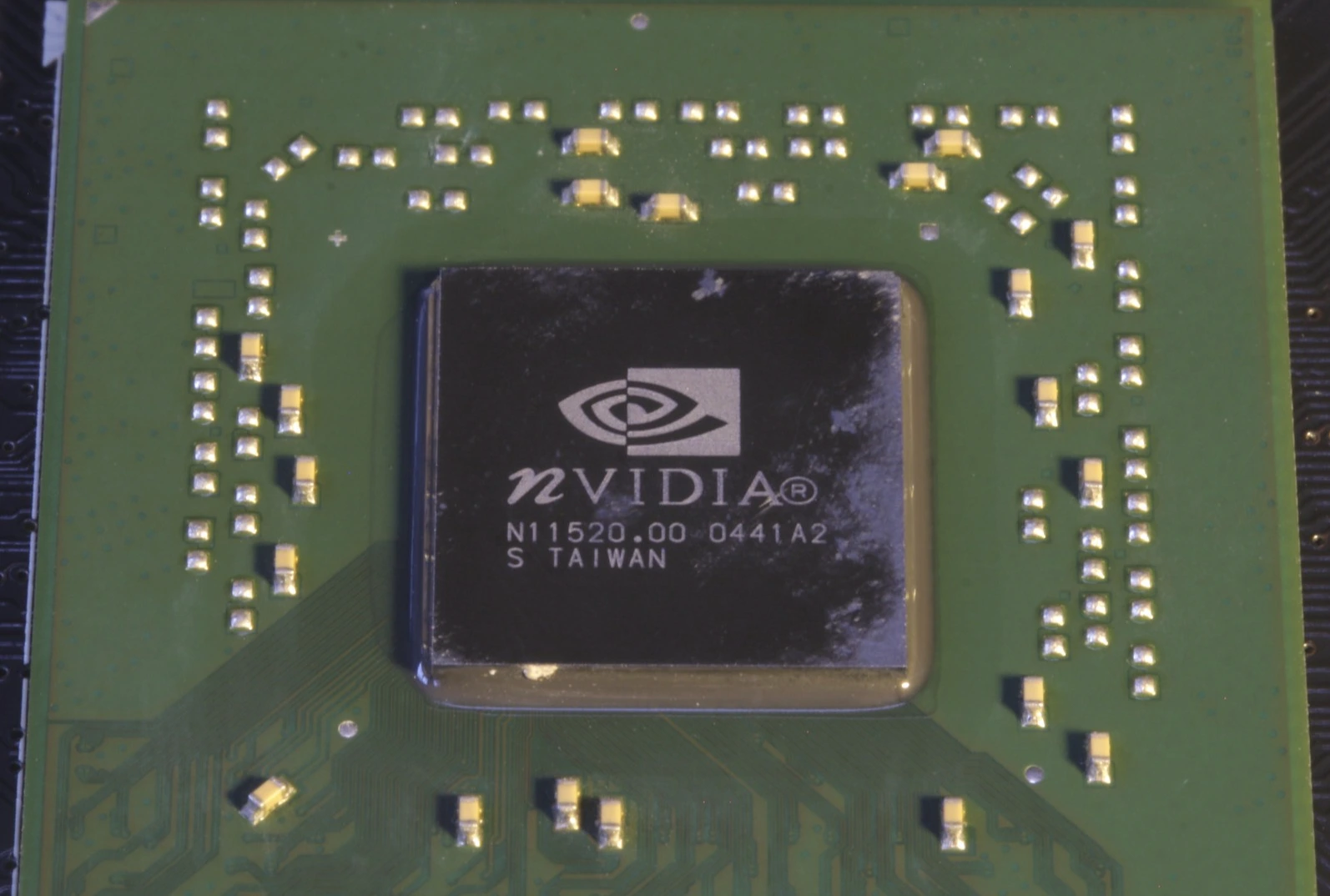
Image by Henry Mühlpfordt, from Flickr
Nvidia Faces Overheating Problems With Blackwell AI Chips
- Written by Kiara Fabbri Former Tech News Writer
- Fact-Checked by Sarah Frazier Former Content Manager
Nvidia’s Blackwell AI chips face overheating issues in server racks, delaying deployments for major tech companies like Meta, Google, and Microsoft. These setbacks come amid rising AI demand and production delays.
In a Rush? Here are the Quick Facts!
- Overheating can decrease efficiency and increase costs for companies relying on these servers.
- Nvidia has asked suppliers to modify rack designs to resolve the issue.
- Nvidia’s Blackwell chips were launched in March, but shipment delays have impacted customers.
Nvidia’s Blackwell AI chips, which have already faced production delays, are now encountering overheating issues in server racks, raising concerns among customers about delays in setting up new data centers, according to a report by Reuters .
Experts warn that overheating can decrease efficiency and drive up operational costs for companies dependent on these servers.The issue emerges amid surging demand for AI capabilities, intensifying pressure on hardware providers like Nvidia, noted Ticker News .
The overheating occurs when the chips are connected in racks designed to hold up to 72 units. Sources familiar with the matter revealed that Nvidia has repeatedly requested suppliers to modify rack designs to address the problem, as reported by Reuters.
Reuters noted that neither the suppliers nor specific design changes were named in the report.
Wall Street Pit says that this issue has raised concerns among major tech companies like Meta Platforms, Google, and Microsoft, which depend on these chips to advance their AI data center capabilities. Deployment delays could lead to significant disruptions in their operational timelines.
A company spokesperson told Reuters,”Nvidia is working with leading cloud service providers as an integral part of our engineering team and process. The engineering iterations are normal and expected.”
Reuters notes that Nvidia unveiled the Blackwell chips in March, initially planning shipments for the second quarter before delays impacted major customers, including Meta Platforms, Google, and Microsoft.
The chips feature two silicon components combined into a single unit, offering speeds up to 30 times faster for tasks like chatbot responses compared to previous models, as noted by Reuters.
These setbacks come as Nvidia continues to dominate the AI chip market, despite challenges in meeting demand for its next-generation products, said Reuters. Ticker News argues that if unresolved, the overheating issues could affect Nvidia’s standing in the competitive market.

Image by diana.grytsku, from Freepik
Researcher Tricks 100 Hackers With Fake Ransomware Tool
- Written by Kiara Fabbri Former Tech News Writer
- Fact-Checked by Sarah Frazier Former Content Manager
Cybersecurity researcher Cristian Cornea exposed 100 dark web hackers using a fake ransomware tool, Jinn, designed as a honeypot to monitor and disrupt cybercriminal activities in a controlled, legal environment.
In a Rush? Here are the Quick Facts!
- Researcher Cristian Cornea targeted hackers on the dark web’s BreachForums marketplace.
- He created a fake ransomware tool, “Jinn Ransomware Builder,” to expose criminals.
- Jinn’s features, like encryption, were decoys hiding backdoors for monitoring activities.
A cybersecurity researcher recently turned to unconventional methods to expose cybercriminals operating on the dark web, as first reported by Forbes on Sunday. Cristian Cornea, a penetration tester and ethical hacker, used a fake ransomware tool to target users of BreachForums, a marketplace known for illicit activities.
Cornea developed the “Jinn Ransomware Builder,” a tool marketed as a comprehensive kit for launching ransomware attacks. It promised advanced features such as command-and-control capabilities, encryption, and multi-language support, said Forbes.
The tool quickly gained popularity on the forum, drawing interest from those seeking to exploit it for illegal purposes. However, Jinn was not what it seemed. Cornea designed the software as a decoy, embedding backdoors that allowed him to monitor its use, noted Forbes.
The supposed features, such as encryption and language support, were largely non-functional, intended only to create a convincing façade. In reality, the tool enabled Cornea to track and collect information on those attempting to use it, as reported by Forbes.
Forbes says that in a post detailing the operation , Cornea explained that all activities were conducted in a controlled environment and did not involve any illegal hacking.
He emphasized that his project was designed to expose malicious actors without causing harm. Cornea also discouraged others from attempting similar actions, citing the legal and ethical challenges of such operations.
The case highlights an ongoing debate within the cybersecurity community about the ethics and risks of “hacking back” against attackers. While proponents argue it can serve as a deterrent, critics warn of the potential for legal consequences and unintended harm, says Forbes.
Cornea’s careful approach demonstrates how such techniques can be used responsibly, provided they remain within ethical and legal boundaries. Forbes reported that by using this method, Cornea disrupted the activities of 100 individuals on the platform, shedding light on the strategies used by cybercriminals.
His work underscores the importance of creative solutions in the fight against online threats, while also raising questions about the limits of ethical hacking.
Forbes said that Cornea concluded his account with a reminder of the thin line separating lawful cybersecurity research from unlawful hacking, urging caution for anyone exploring similar strategies.
His approach serves as a case study in balancing innovation with accountability in the effort to address growing cyber risks.
