
Image by Clay Banks, from Unsplash
Nurses Raise Alarms Over AI Replacing Critical Care Judgment
- Written by Kiara Fabbri Former Tech News Writer
- Fact-Checked by Sarah Frazier Former Content Manager
Hospitals across the U.S. are increasingly turning to AI to assist nurses with routine tasks , from answering patient questions to monitoring vital signs.
In a Rush? Here are the Quick Facts!
- Nurses warn AI could generate false alarms and override human judgment in critical cases.
- Over 20 protests demand oversight on AI’s role in hospitals, reports the AP.
- The U.S. faces a severe nursing shortage, with 190,000 job openings projected yearly.
Companies like Hippocratic AI and Qventus promise efficiency, but many nurses warn that AI’s expanding role could jeopardize patient care, as reported by the AP .
“Hospitals have been waiting for the moment when they have something that appears to have enough legitimacy to replace nurses,” said Michelle Mahon of National Nurses United, the largest nursing union in the U.S., as reported by the AP. The group has organized more than 20 protests demanding oversight of AI use in hospitals.
The AP reports that nurses say AI-driven systems can generate false alarms and override their judgment. Adam Hart, an ER nurse in Nevada, recalled an AI system incorrectly flagging a patient for sepsis, nearly leading to an excessive IV fluid dose. “Turning over our thought processes to these devices is reckless and dangerous,” he said, as reported by the AP.
Melissa Beebe, a cancer nurse at UC Davis, says AI alerts often interrupt nurses unnecessarily. “You’re trying to focus on your work but then you’re getting all these distracting alerts that may or may not mean something,” she said, reports the AP.
Hospitals argue AI can ease workloads amid a national nursing shortage, noted the AP. More than 100,000 nurses left the workforce during the pandemic, and the government estimates 190,000 new openings will appear annually through 2032.
Some health experts see AI as a tool rather than a replacement.
“It would be foolish to turn our back on this completely,” said Michelle Collins, dean of Loyola University’s College of Nursing, reports the AP. “We should embrace what it can do to augment our care, but we should also be careful it doesn’t replace the human element,” he added.
At the University of Arkansas Medical Sciences, AI assistants handle pre-surgery calls, reaching patients outside standard hours. Dr. Joseph Sanford, who oversees the hospital’s health IT, insists transparency is key. “We always want to be fully transparent with our patients that sometimes they are talking to a human and sometimes they’re not,” he said, reported the AP. Meanwhile, companies like Xoltar are developing AI avatars to provide therapy and health coaching. However experts like Roschelle Fritz warn that AI may not be suited for complex cases.
“It’s the very sick who are taking up the bulk of health care in the U.S., and whether or not chatbots are positioned for those folks is something we really have to consider,” she said, as reported by the AP. With AI’s role in health care growing, nurses are demanding safeguards to ensure technology supports—rather than replaces—their expertise.
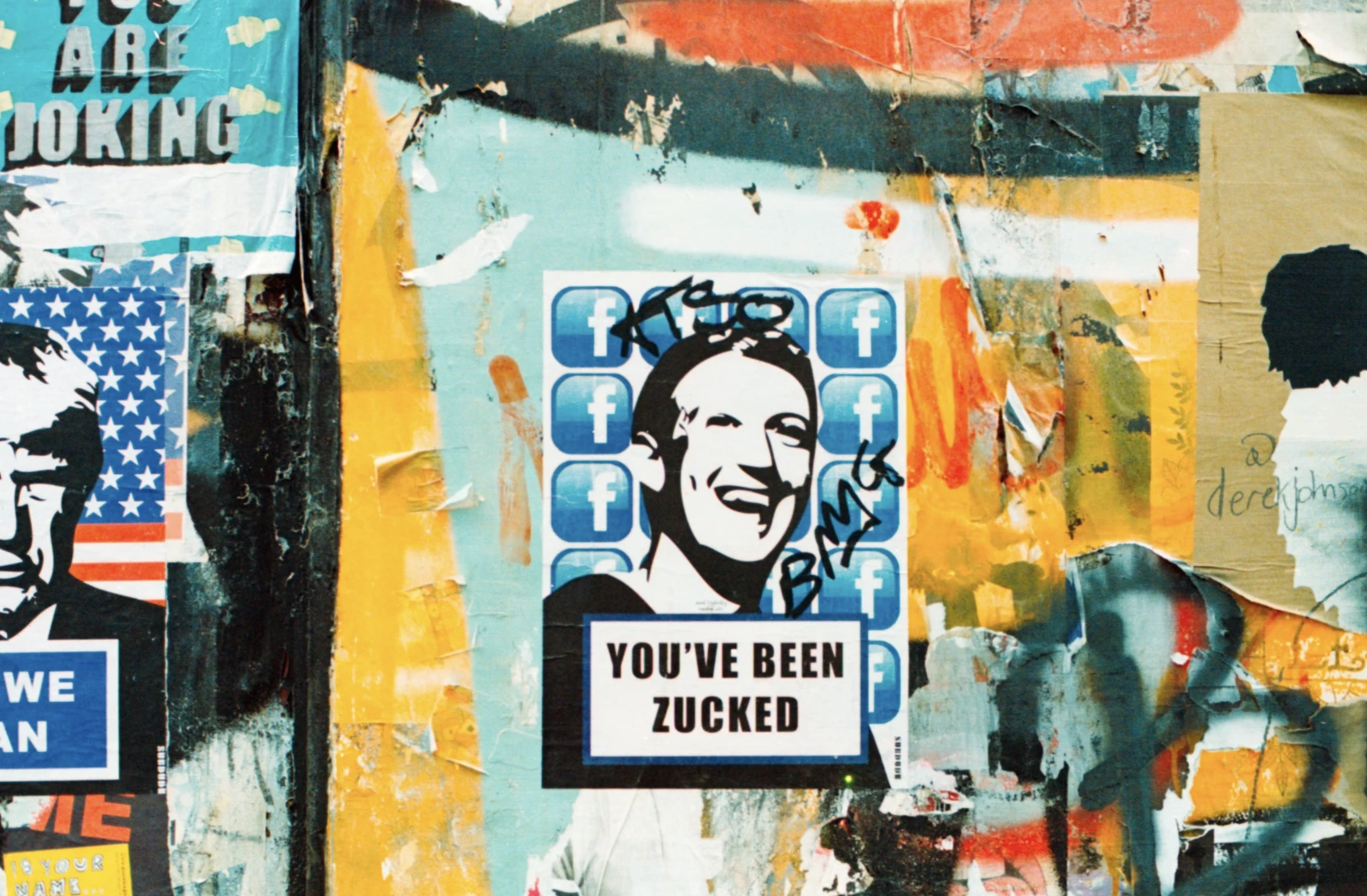
Image by Annie Spratt, from Unsplash
Former Meta Insider Accuses Zuckerberg Of Power Abuse
- Written by Kiara Fabbri Former Tech News Writer
- Fact-Checked by Sarah Frazier Former Content Manager
Sarah Wynn-Williams, a former Facebook director, has released a scathing memoir, Careless People, portraying Mark Zuckerberg and Meta’s leadership as reckless and power-hungry.
In a Rush? Here are the Quick Facts!
- Meta sued to block book sales, citing a non-disparagement agreement.
- Wynn-Williams accuses Mark Zuckerberg of dishonesty and reckless leadership.
- She claims Meta ignored human rights concerns and silenced dissenting employees.
The book, subtitled A Cautionary Tale of Power, Greed, and Lost Idealism, offers an insider’s account of a company she claims abandoned its original values while cozying up to authoritarian regimes and mishandling crises, as reported by the Financial Review (FR).
Meta quickly responded by taking legal action to block Wynn-Williams from selling and promoting the book, citing a non-disparagement agreement. However, the order does not extend to her publisher, Flatiron Books, as noted by Sfgate .
Meta spokesperson Erin Logan dismissed the memoir as “a mix of out-of-date and previously reported claims” and called it “defamatory,” while Flatiron stated the book had been thoroughly vetted, as reported by Sfgate.
Wynn-Williams, who joined Facebook in 2011 and was fired in 2017, accuses Zuckerberg of being unaccountable, out of touch, and even dishonest. She claims he lied during a 2018 Senate hearing on data privacy and downplayed Facebook’s dealings with China, as reported by FR.
She also describes his admiration for former U.S. president Andrew Jackson, saying he once declared Jackson was “America’s best president,” as reported by Sfgate.
The book alleges Zuckerberg lives in a bubble, recounting an incident where he forgot his passport before a trip to Peru and blamed others. She also describes an awkward board game session where he accused her of cheating after losing, reported Sfgame.
Following a meeting with then-President Barack Obama about Facebook’s role in misinformation, Zuckerberg reportedly brooded during the flight home and started plotting a U.S. tour, resembling a political campaign, before suggesting that Facebook could reshape the news ecosystem, as noted by Sfgate.
“You’d hope that people who amass the kind of power Facebook has would learn a sense of responsibility, but they don’t show any sign of having done so,” she writes, as reported by Sfgate.
“The more they see the consequences of their actions, the less of a f—k Mark and Facebook’s leadership give,” she added.
Wynn-Williams also criticizes former COO Sheryl Sandberg, claiming the workplace culture under her was so demanding that she sent talking points while in labor. She alleges open dissent wasn’t tolerated, saying that workers actively hid bad news or situations in fear of being punished, as reported by Sfgate.
Joel Kaplan, now Meta’s head of global policy, is depicted as blocking human rights efforts in Myanmar, where Facebook was accused of enabling violence against Rohingya Muslims, as reported by FR.
Adding to Meta’s growing criticism, the company is facing backlash over a recent wave of layoffs. Meta laid off 3,600 employees, with many accusing the company of unfairly targeting workers on parental and medical leave .
Employees described a tense and unpredictable work environment. Some alleged they were let go while on approved leave, raising concerns about the fairness of the process. “[I] consistently exceeded expectations multiple years, had a baby in 2024, got laid off,” one former employee claimed
Zuckerberg has called 2023 the “year of efficiency,” a trend continuing into 2025. While Meta’s stock has surged 60% this year due to strong digital ad revenue, critics argue the layoffs may signal a broader shift toward AI-driven workforce reductions.
Despite Meta’s efforts to downplay her claims, Careless People has ignited debate over the company’s handling of power, ethics, and accountability.
