
Image by Beth Kanter, from Flickr
North Korean Hackers Target Job Seekers With Fake Video Conferencing Apps
- Written by Kiara Fabbri Former Tech News Writer
- Fact-Checked by Justyn Newman Former Lead Cybersecurity Editor
North Korean hackers have started a new cyber attack using a fake video conferencing app that mimics FreeConference.com to infect developer systems, according to a report by Hacker News (HN). This attack is part of a larger campaign called “Contagious Interview,” designed to steal sensitive information for financial gain.
HN notes that the Singapore-based company Group-IB identified this attack in August 2024 . It targets both Windows and macOS systems. The hackers trick job seekers by pretending to offer fake job interviews, leading them to download malware disguised as a technical task.
The malware, called BeaverTail, allows the hackers to take control of the victim’s computer and steal data.
BeaverTail malware has evolved over time. Initially, it was spread through fake technical assessments using JavaScript code, but now it also spreads through Windows and macOS installers that appear legitimate, reports HN.
These installers, imitating popular video conferencing software, infect computers with an updated version of BeaverTail.
HN reports that the campaign, linked to the notorious Lazarus Group, continues to target job seekers through platforms like LinkedIn and Upwork. After initial contact, hackers direct victims to download malicious software through messaging apps like Telegram .
In addition to stealing personal information, the malware targets cryptocurrency wallets and browser data. The attack is ongoing, with hackers constantly refining their techniques.
Recently, the FBI warned that North Korean cyber criminals are aggressively targeting the cryptocurrency industry using social engineering attacks to steal digital assets, as reported by HN.
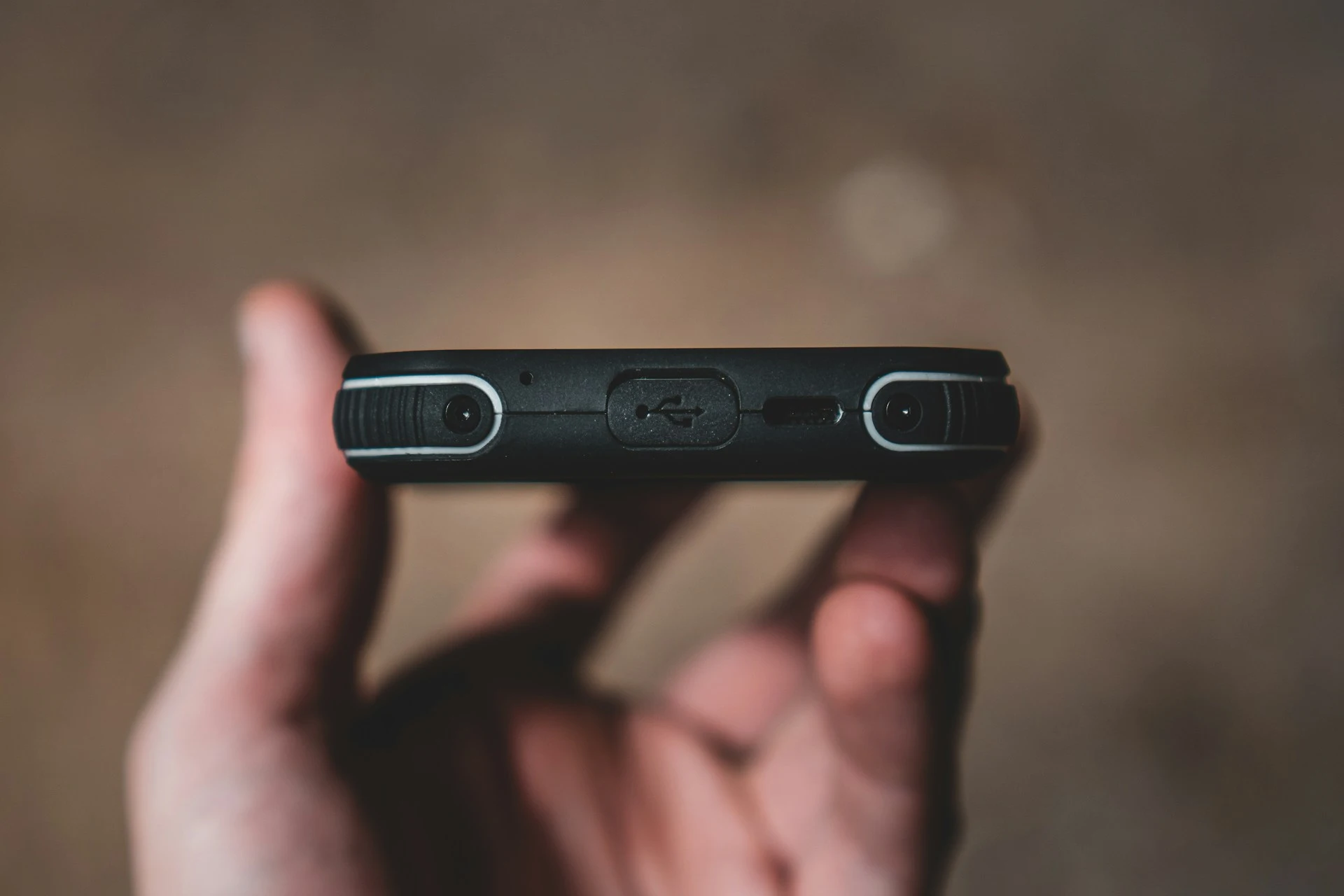
Photo by Jonathan Kemper on Unsplash
Large Marketing Firm Admits to Using Software to Listen to People’s Smartphones
- Written by Andrea Miliani Former Tech News Expert
- Fact-Checked by Justyn Newman Former Lead Cybersecurity Editor
“Voice data goes beyond search engine data, so every casual conversation between two consumers becomes a tool for you to target, retarget, and retain customers,” states the document shared in November 2023. “No, it’s not a Black Mirror episode- it’s Voice Data, and CMG has the capabilities to use it to your business advantage.”
CMG’s AI software can tell the advertiser company what conversations are relevant and when to listen. The company developed a marketing system with the use of AI to target advertising through multiple platforms.
“Voice Data is in its early days, but the ROI is already impressive,” states the document in the conclusion. “When you’re ready to scale, we’re ready to talk.”
Mashable reached out to the tech giants mentioned by the marketing company. “Meta does not use your phone’s microphone for ads and we’ve been public about this for years,” said a spokesperson from Meta. “We are reaching out to CMG to get them to clarify that their program is not based on Meta data.”
