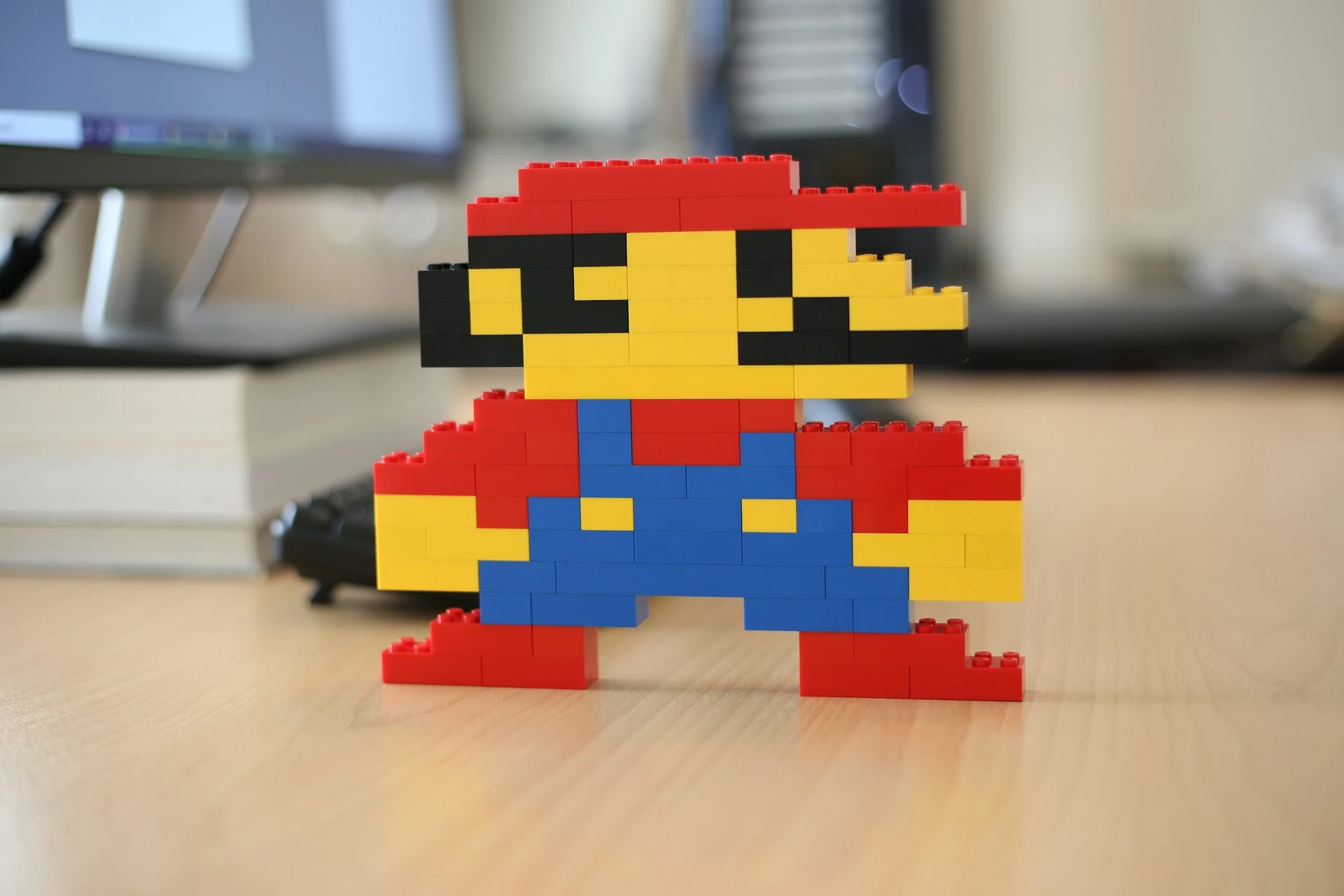
Photo by Sahand Babali on Unsplash
Nintendo Museum Opening in Kyoto This October; Ticket Lottery Now Open
- Written by Andrea Miliani Former Tech News Expert
- Fact-Checked by
Nintendo has announced an opening date for the Nintendo Museum in Kyoto. According to the information shared on the new website , the museum will open on October 2, and a ticket drawing to visit the new structure is already available.
Nintendo shared a 13-minute video on YouTube yesterday—which has reached over 1 million views—with a tour and more details of what people can expect from their visit.
In the video, Shigeru Miyamoto—Nintendo’s game designer and creator of classics like Mario and Zelda since 1977 —explains that the Nintendo Museum has been built in the original factory and that the space has been transformed. Now, it includes a Mario-themed plaza and a modern building with video games, immersive experiences, giant controllers, exhibits, and historical artifacts that fans will get to see while they explore the new facility.
The Nintendo Museum is hosting a lottery to purchase tickets. “Tickets are sold via a randomly selected drawing,” states the website. “Entries will be accepted beginning three months prior to your visit. The cost of the ticket must be paid after your entry is drawn.”
The results of the drawing will be emailed to participants and can also be checked on the website. The tickets for adults cost ¥3,300, around $23. Winners will pay for their tickets with credit cards before the deadline.
After the drawing, the company explained that if any tickets were still available, they would be sold “on a first-come, first-served basis.”
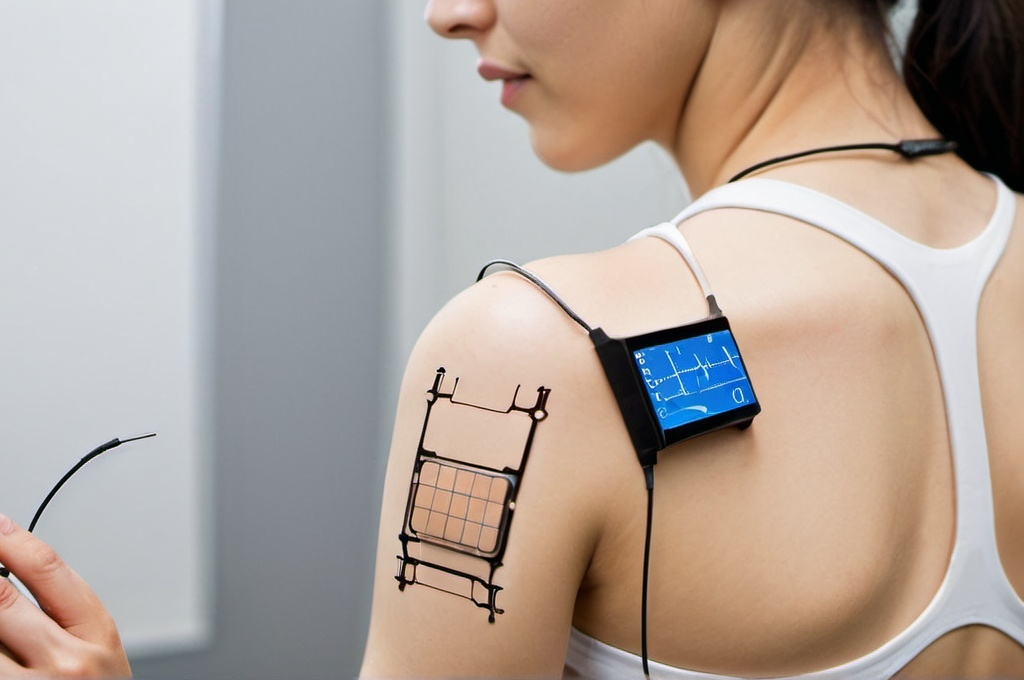
AI image created with Openart.ai
New Wearable Sensor Enables Non-Invasive Health Tracking to Detect Disease Early
- Written by Kiara Fabbri Former Tech News Writer
- Fact-Checked by
Researchers from Singapore have just announced a new wearable sensor that continuously monitors key skin biomarkers like cholesterol and lactate without invasive procedures. This technology aims to enhance early disease detection by providing a more convenient alternative to traditional methods.
The sensor, created by a team led by Assistant Professor Liu Yuxin from the National University of Singapore (NUS) and Dr. Yang Le from the Agency for Science, Technology, and Research (A*STAR), is designed to monitor health indicators directly on the skin. Unlike current methods that require blood, urine, or sweat samples, this device uses a hydrogel-based, stretchable material to detect biomarkers.
The sensor’s technology allows it to monitor health markers in real-time, which could be particularly useful in managing chronic diseases, conducting large-scale health screenings, and monitoring athletes’ performance.
The device operates by allowing biomarkers to dissolve into its hydrogel layer, where they undergo electrochemical reactions. This data is then transmitted wirelessly to an external device for analysis.
The researchers state that the sensor’s ability to monitor biomarkers on dry skin without the need for sweat sets it apart from other wearable technologies.
The development of this sensor addresses some of the challenges associated with traditional health monitoring methods. Blood tests are invasive and can be inconvenient, while other methods, like urine analysis, often lack real-time monitoring capabilities.
“Rather than subject pregnant women to multiple blood draws, our sensor could be used to track real-time sugar levels conveniently in patients’ homes, with a similar level of accuracy as traditional tests. This also can be applied to diabetes in general, replacing the need for regular finger-prick tests,” explained Asst Prof Liu in the YouTube presentation.
The researchers also envision using the sensor in conjunction with AI modeling to assess a patient’s resilience prior to major surgeries, such as open heart procedures.
Further research is underway to enhance the sensor’s performance and broaden its applications. The research team is also collaborating with hospitals to validate the technology clinically.
