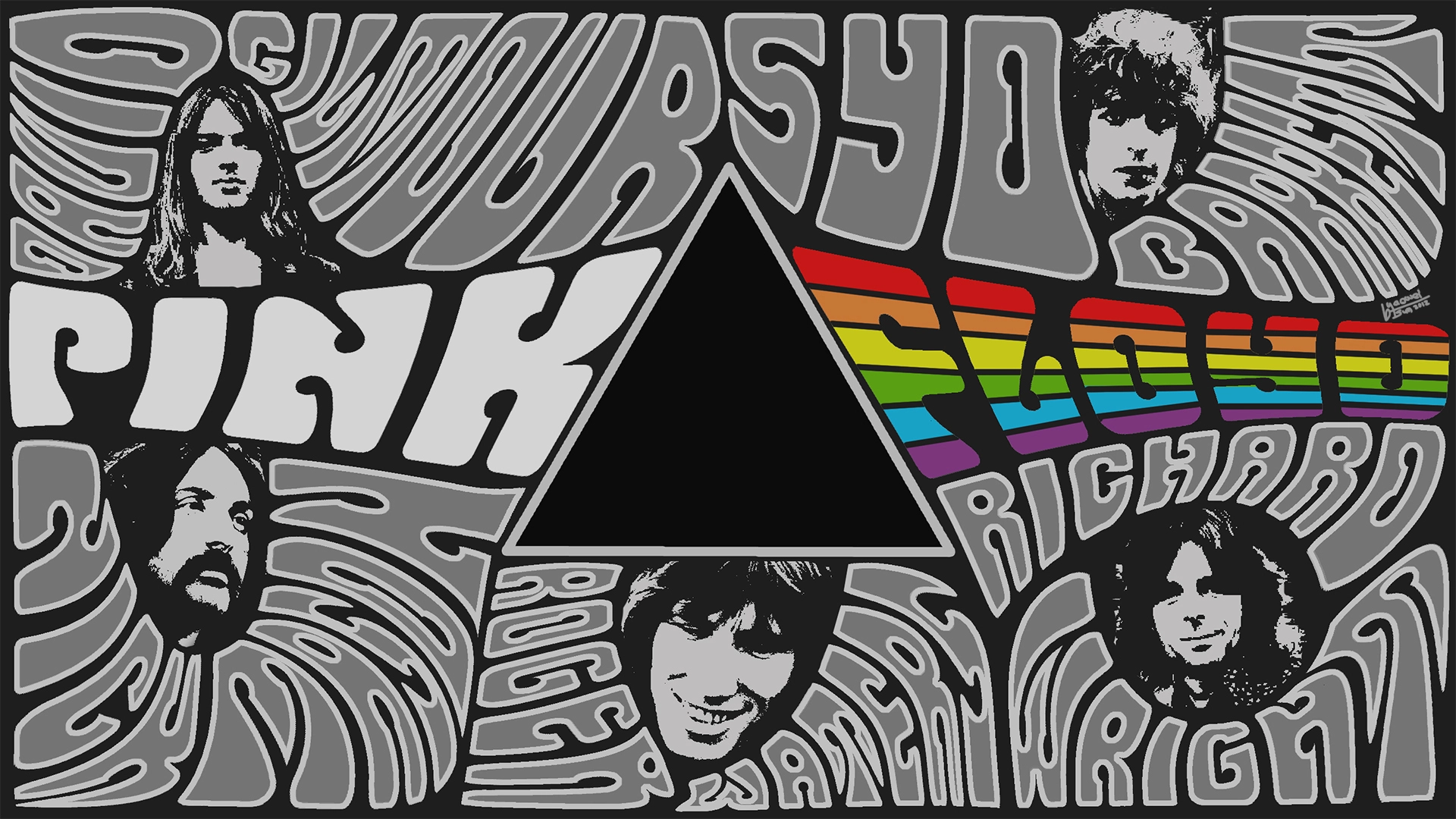
Image by Ghost4luck, from Goodfon
Nick Mason Proposes AI-Driven Pink Floyd Revival
- Written by Kiara Fabbri Former Tech News Writer
- Fact-Checked by Justyn Newman Former Lead Cybersecurity Editor
Pink Floyd drummer Nick Mason is proposing an unconventional solution to the decades-long feud between bandmates David Gilmour and Roger Waters. In a recent interview with Mirror , Mason suggested that AI could be used to create new Pink Floyd music as if Waters had never left the band in 1985.
Mason’s interest in AI stems from its ability to simulate and create music that mimics the style of artists. He said, “It would be fascinating to see what AI could do with new music. If you tried to run it as a sort of ‘Where did Pink Floyd go after?’ […] The thing to do would be to have an AI situation where David and Roger become friends again.”
The suggestion comes amidst a broader conversation about the role of AI in the music industry. The use of AI in music has grown significantly in recent years, with artists like Ghostwriter gaining attention for mimicking popular musicians like Drake and The Weeknd. AI technology has advanced to the point where it can correct vocal pitch, mix and master recordings, and even suggest musical loops to overcome writer’s block. Streaming platforms like Spotify and Apple Music have relied on AI algorithms to recommend songs based on users’ listening habits for years already.
However, the rise of AI in music creation has sparked debate. Supporters argue that AI democratizes music production , allowing anyone to create music from their bedroom. Critics, on the other hand, worry about the ethical implications of AI replicating an artist’s voice or style without permission.
Edward Newton-Rex, the former vice president of audio at Stability AI, resigned over concerns that AI-generated content could compete with original works and put musicians out of jobs. “Companies worth billions of dollars are, without permission, training generative AI models on creators’ works, which are then being used to create new content that in many cases can compete with the original works,” Newton-Rex wrote on X .
Nick Mason’s idea of using AI to recreate Pink Floyd’s sound is a fascinating concept that highlights the rapid pace of technological advancement. While it’s a long shot that AI could truly replace human creativity and camaraderie, the proposal does spark a wider discussion about the potential and pitfalls of this technology in the music industry.

Photo by David Lusvardi on Unsplash
Las Vegas to Deploy First AI Surveillance System in Public Transit in the U.S.
- Written by Andrea Miliani Former Tech News Expert
- Fact-Checked by Justyn Newman Former Lead Cybersecurity Editor
The Regional Transportation Commission (RTC) of Southern Nevada, including Las Vegas, will deploy an AI camera system to scan and detect weapons in public transportation.
According to CNBC , the new plan has been developed as a strategy to reduce violence and identify potential risks. The AI-linked cameras will scan passengers and will be installed on more than 400 buses.
The RTC is working with the American software company ZeroEyes on this project, part of a $33 million multi-year upgrade program.
“Time is of the essence; it gives us time to identify a firearm being brandished, so [authorities] can be notified and get to the scene and save lives,” Tom Atteberry, RTC’s director of safety and security operations, told CNBC.
According to a report released by the Department of Transportation in October last year, violence on public transportation across the U.S. has been increasing. Citizens’ concerns regarding safety in transit systems have peaked.
In that report, surveillance cameras were suggested. “Many agency representatives reported the use of surveillance cameras in stations, on vehicles, and in other areas (e.g., parking lots), and expressed that this can be particularly useful for maintaining awareness of what is happening on the system and responding to incidents,” states the document.
Brian Miller, the director of Purdue University Northwest, explained that on average it takes 12 minutes for the police to arrive at the location in danger after the first gunshot and trusts the new AI technology to be beneficial. “We have to reduce that, gunshot detectors and weapons scanners, these are all good technologies,” said Miller.
Neither the RTC nor the Purdue University Northwest mentioned any specific cases where AI-powered protection was required, but consider that the risk is imminent.
Stats reveal Las Vegas’s crime rate is not as high as transport systems, but the cameras used are compatible with ZeroEyes technology, and mass shootings have been a major concern since The Strip incident in 2017 where 58 people were killed by Stephen Paddock.
