
Image by Brett Jordan, from Unsplash
New Reddit Scam Infects Users with Crypto-Stealing Malware Via Fake Trading Software
- Written by Kiara Fabbri Former Tech News Writer
- Fact-Checked by Sarah Frazier Former Content Manager
Cybersecurity experts have uncovered a new wave of crypto-stealing malware being distributed through Reddit, targeting users of TradingView, a popular platform for financial market analysis.
In a rush? Here are the quick facts:
- Victims download malware disguised as a cracked TradingView with premium features.
- Malware variants, Lumma Stealer and AMOS, target Windows and Mac users.
- Infected users’ crypto wallets are drained, and attackers send phishing links to contacts.
Criminals are luring victims with promises of free access to TradingView’s premium features, but the downloads are infected with malicious software designed to steal cryptocurrency.
According to cybersecurity firm Malwarebytes Labs, the attackers are posting links in Reddit communities frequented by crypto traders.
These links lead to infected Windows and Mac installers, carrying Lumma Stealer and a new variant of Atomic Stealer (AMOS), respectively. Both malware types are notorious for stealing crypto assets, enabling criminals to profit significantly.
Unlike previous attacks that used fake Reddit pages, this campaign operates on the official Reddit platform. The scammers claim to offer a cracked version of TradingView, warning users they install it “at your own risk.”
In one post, they wrote, “We’re more than a drop-off – we’re crafting a hub for traders chasing free tools and solid chats. This cracked TradingView is just the start,” as reported by Cybernews
To reassure victims, the criminals address concerns about Mac security warnings, stating, “Don’t worry, though – a real virus on a Mac would be wild, and I’ve never seen one sneak through like that!” They provide instructions on bypassing these warnings, further ensnaring unsuspecting users, as reported by Cybernews.
Once installed, the malware collects sensitive user data and sends it to a remote server. Victims have reported their crypto wallets being drained, and some were later impersonated by the attackers, who used their identities to send phishing links to others.
While the exact scale of losses remains unclear, the scheme highlights the risks of downloading cracked software.
Further investigation revealed that the malware files are hosted on the website of a Dubai cleaning company.
“Both Mac and Windows files are double-zipped, with the final zip being password-protected. For comparison, a legitimate executable would not need to be distributed in such a fashion,” researchers explained.
“Cracked software has been prone to containing malware for decades, but clearly the lure of a free lunch is still very appealing,” the researchers concluded.
They advised users to avoid disabling security software, downloading password-protected files, or trusting dubious platforms. This incident serves as a stark reminder to stay vigilant online, especially when offers seem too good to be true.
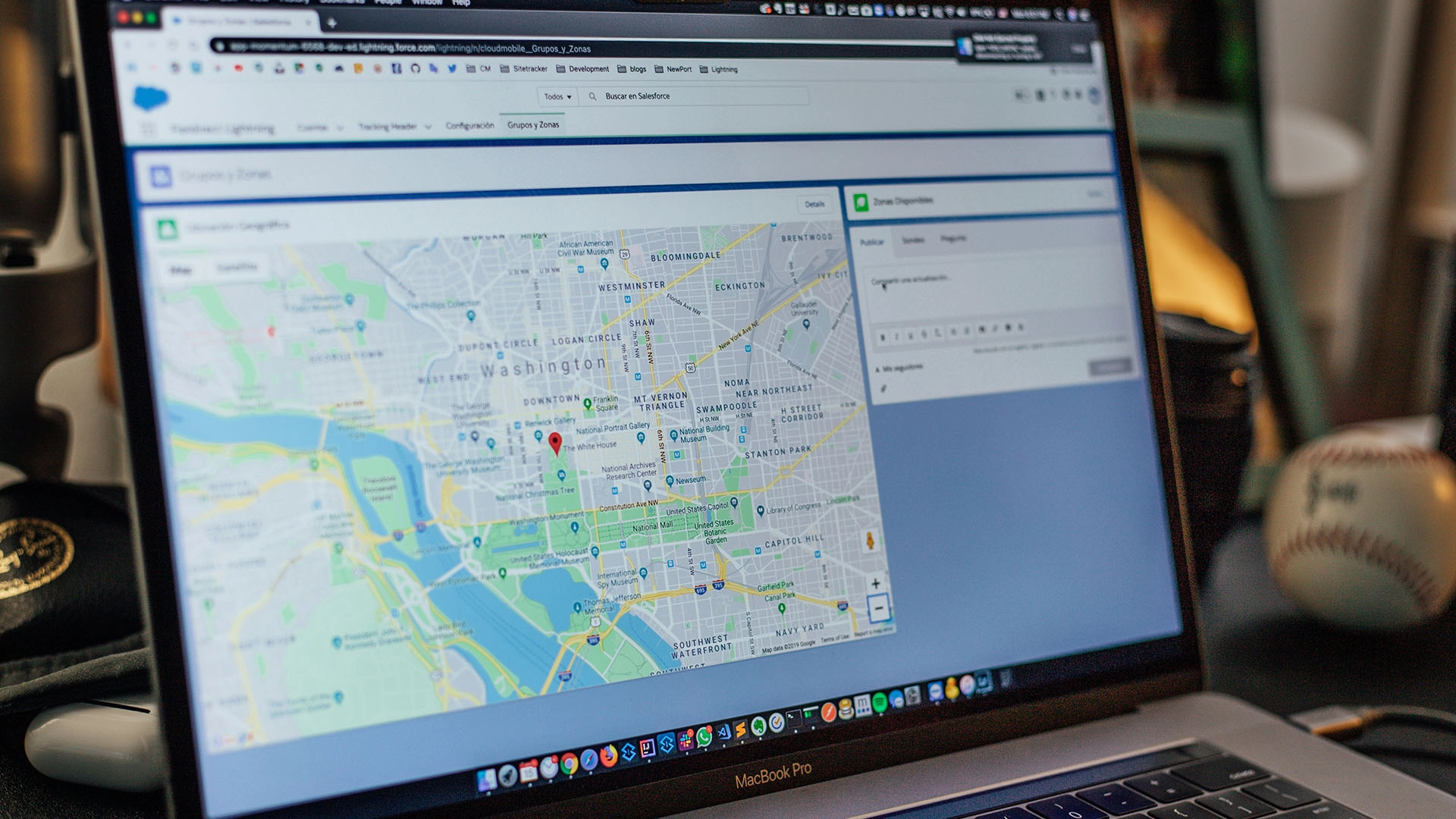
Photo by Yucel Moran on Unsplash
Google Sues Scammers Behind 10,000 Fake Business Listings on Google Maps
- Written by Andrea Miliani Former Tech News Expert
- Fact-Checked by Sarah Frazier Former Content Manager
Google is filing a lawsuit against alleged scammers who created over 10,000 fake businesses and illegitimate listings on Google Maps.
In a rush? Here are the quick facts:
- Google sues scammers behind over 10,000 fake business listings on Google Maps.
- Fraud tactics included fake reviews, hijacked phone numbers, and overcharging clients.
- Scammers targeted emergency services like locksmiths and towing companies to exploit users in urgent need.
According to a CBS News’ exclusive , Google revealed that malicious actors created and sold multiple fake business profiles registered on Google Maps.
Google’s investigation revealed that scammers have built a worldwide network to collaborate and use social media to reach wider audiences.
Halimah DeLaine Prado, Google’s general counsel, explained on CBS Mornings Plus that one of the cases was from an unlicensed locksmith acting as another business in Texas on Google Maps. Scammers would pretend to be the professional business, charging the client a significantly higher price for the service.
The real company alerted Google about the fraud and the tech giant started an investigation to discover—and eliminate—over 10,000 fake listings.
“Once we’re alerted to the actual fraud, we take extreme efforts to identify similar fraudulent listings,” said DeLaine Prado. “Scammers are becoming increasingly sophisticated.”
Another strategy used by malicious actors was to hack real businesses’ phone numbers to redirect customers to another line where scammers would ask for money in advance through wire transfers or other unconventional payment methods like gift cards.
Google also discovered scammer networks that created profiles to generate fake positive reviews for businesses on Google Maps, as this is a relevant criterion for potential clients.
“Consumers use the reviews under those listings to actually make decisions based on what service to use or not to use,” said DeLaine Prado. “A fake profile and a fake review undermines the trust that you have in that ecosystem.”
Many of the scams unveiled focused on companies that solve emergencies or urgent situations such as towing or locksmith companies.
DeLaine Prado recommended Google Maps users verify the legitimacy of the business before reaching out. If something seems off, the best thing to do is to pause and acknowledge the red flags such as a URL not matching the business name or a company requesting too much information—like a social security number.
It’s not the first time Google filed lawsuits against scammers, or revealed fake accounts. In 2023 the company blocked around 12 million fake business profiles.
A few months ago, Google added new AI-powered features to Google Maps to suggest activities, and places to visit while traveling, as well as curated suggestions in the United States.
