
image by vectorjuice, from Freepik
New OSI Definition Of Open AI, Challenging Meta’s Model Standards
- Written by Kiara Fabbri Former Tech News Writer
- Fact-Checked by Justyn Newman Former Lead Cybersecurity Editor
In a Rush? Here are the Quick Facts!
- Open Source Initiative defines “open” AI
- Open Source AI allows unrestricted use, modification, and sharing of technology.
- AI models must disclose training data and source code to be open source.
The Open Source Initiative (OSI) has announced its official definition of “open” AI , which could lead to a confrontation with tech giants like Meta, whose models reportedly do not meet these new standards, as reported by The Verge .
According to The Verge, the OSI has long been the go-to authority for defining open-source software. However, AI systems involve aspects not covered by traditional licenses, such as the data used for training models.
According to the new definition, for an AI system to be considered Open Source, it must let users use it for any purpose without needing permission. Users should also be able to check how the system works and inspect its components.
This includes the ability to change the system for any reason, including its outputs, and to share it with others, whether in its original or modified form.
To make modifications, users need access to what’s called the “preferred form” of the system. This means providing detailed information about the training data, including where it came from, its characteristics, how it was selected, and how it was processed.
This information is necessary for users to replicate the system. Additionally, the complete source code that runs the AI system must be shared, covering everything from data processing to model architecture and testing. Model parameters, such as weights and configuration settings, should also be available for users to fully understand and modify the system.
The Verge also notes that this new definition directly challenges Meta’s Llama, which is often advertised as the largest open-source AI model. Although Llama is publicly available for download, it has restrictions on commercial use, especially for applications with over 700 million users, and it doesn’t provide access to its training data.
This means it does not meet OSI’s standards for unrestricted use, modification, and sharing.
Meta spokesperson Faith Eischen told The Verge that while “we agree with our partner OSI on many things,” the company disagrees with this definition.
“There is no single open source AI definition, and defining it is a challenge because previous open source definitions do not encompass the complexities of today’s rapidly advancing AI models.”
Eischen added, “We will continue working with OSI and other industry groups to make AI more accessible and free responsibly, regardless of technical definitions.”
Simon Willison, an independent researcher and creator of the open-source multi-tool Datasette, expressed optimism about the new definition: “Now that we have a robust definition in place, maybe we can push back more aggressively against companies who are ‘open washing’ and declaring their work open source when it actually isn’t,” he told The Verge.
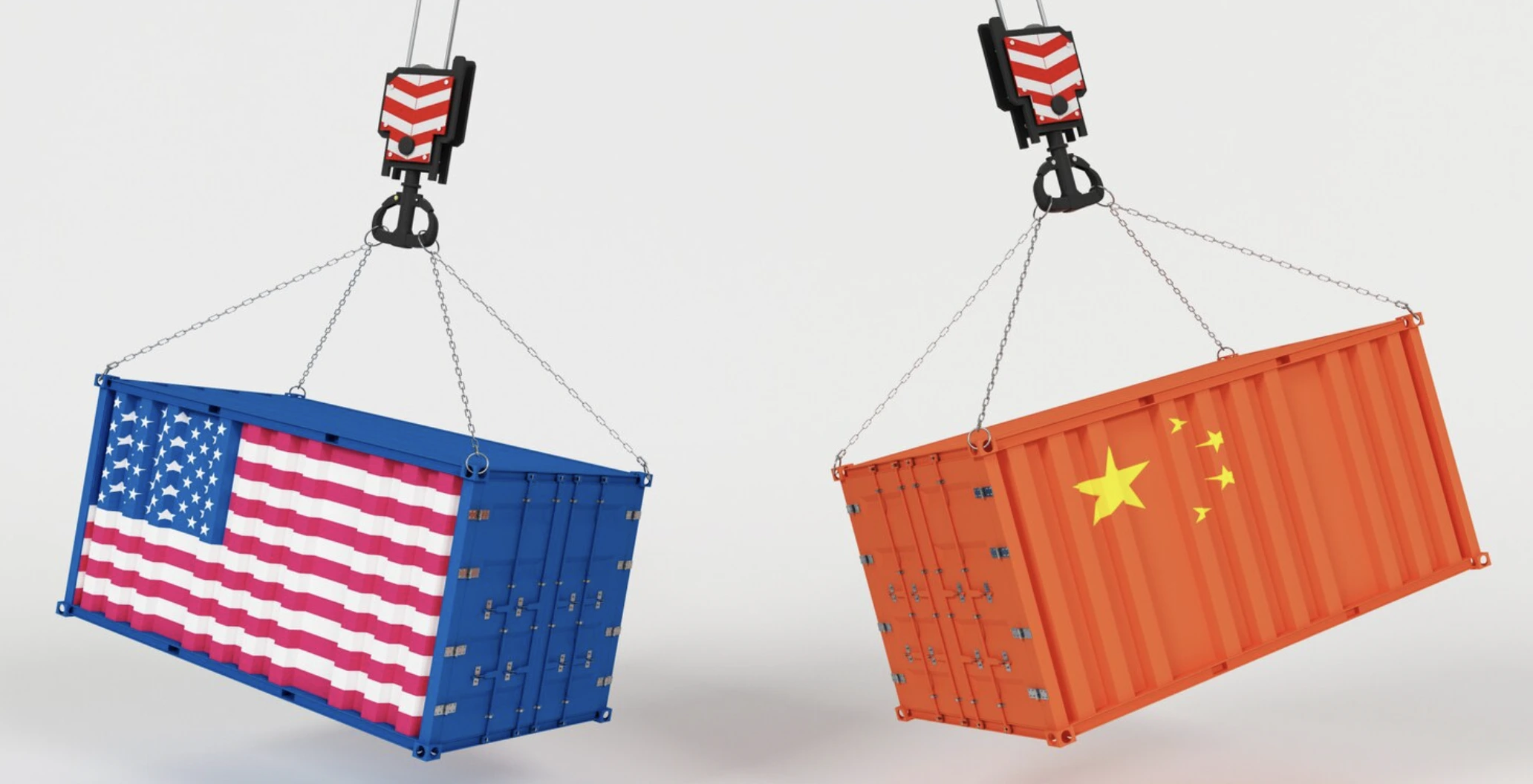
Image by kjpargeter, from Freepik
U.S. Finalizes Rules To Limit Investment In China’s AI And Tech Sectors
- Written by Kiara Fabbri Former Tech News Writer
- Fact-Checked by Justyn Newman Former Lead Cybersecurity Editor
In a Rush? Here are the Quick Facts!
- New U.S. rules restrict investments in China’s tech sectors, effective January 2, 2024.
- The rules target semiconductors, quantum tech, and AI systems in China.
- American investors can still invest in publicly traded Chinese tech companies.
The Biden administration has announced it is putting the final touches on rules to limit American investments in certain Chinese technology industries, specifically in AI, semiconductors, and quantum technology, reported yesterday Reuters .
These new rules, which take effect on January 2, 2024, aim to prevent U.S. expertise and money from aiding China’s advancements in high-tech sectors, particularly those that could support its military growth, noted Reuters.
Reuters points out that this decision follows an executive order President Joe Biden signed in August 2023, directing the U.S. Treasury to limit investments in three critical sectors: semiconductors and microelectronics, quantum information technology, and certain artificial intelligence systems.
The rules were initially proposed in June, and the newly formed Office of Global Transactions within the Treasury Department will oversee their implementation, according to Reuters.
Commerce Secretary Gina Raimondo emphasized that these regulations are essential for U.S. national security, as they aim to prevent China from developing technologies that could potentially support its military efforts, as reported by Reuters.
U.S. officials have expressed concerns over China’s ability to leverage foreign technology to dominate global markets and to enhance its military capabilities. The Biden administration sees the new rules as a preventive measure to curb China’s influence and technological advancements, reported Reuters.
Reuter points out that the regulations do, however, allow for exceptions. American investors will still be able to invest in Chinese tech companies that are publicly traded, as these are not covered under the new restrictions.
Yet, the administration clarified to Reuters that previous orders already prevent investments in certain Chinese companies designated as security risks.
The U.S. House Select Committee on China has also voiced its concerns, criticizing major American financial index providers for funneling billions of dollars from U.S. investors into Chinese companies believed to be supporting China’s military and security objectives, said Reuters.
The committee argues that such investments indirectly contribute to China’s technological and military advancements, urging stricter oversight.
The rules are part of the Biden administration’s broader strategy to reduce U.S. dependence on Chinese technology and to limit China’s access to critical resources and expertise. The administration hopes that these measures will help safeguard U.S. interests and maintain a competitive edge in the global tech landscape.
