
Image by rawpexels.com, from Freepik
New Malware Hiding in Gaming Apps, Targeting Windows Users
- Written by Kiara Fabbri Former Tech News Writer
- Fact-Checked by Sarah Frazier Former Content Manager
In a Rush? Here are the Quick Facts!
- Winos4.0 malware can take over infected computers for further attacks.
- Winos4.0 includes multiple components for controlling infected systems effectively.
- The malware may be targeting the education sector.
Fortinet’s FortiGuard Labs recently discovered a new cybersecurity threat that targets Microsoft Windows users through fake gaming apps. This advanced malware, named Winos4.0, can take control of infected computers and perform a range of harmful actions.
Hidden inside seemingly harmless gaming-related applications like installation tools, speed boosters, and optimization utilities, this malware puts users at risk.
Winos4.0 is built on a previous malware framework called Gh0strat and is designed to be versatile and stable. It contains multiple components that allow it to carry out a variety of tasks, making it particularly dangerous.
Fortinet researchers believe the malware may be targeting sectors like education, based on a file description found in its code labeled “校园政务” (Campus Administration).
Once downloaded, the malware installs itself and begins a multi-stage attack. It starts by retrieving a file from a remote server, decoding it, and executing specific functions that allow it to download more malicious files.
These files then load and perform tasks like recording clipboard content, tracking system information, checking for crypto wallets, and avoiding detection from antivirus software.
This malware communicates with its control server, known as a “C2 server,” through encrypted data exchanges. It frequently checks in with this server to receive new instructions, ensuring it remains active and ready for further actions.
Fortinet advises users to only download software from trusted sources to avoid falling victim to this threat. This discovery higlights the importance of caution when downloading new applications, particularly in areas like gaming, where these threats are increasingly hidden.
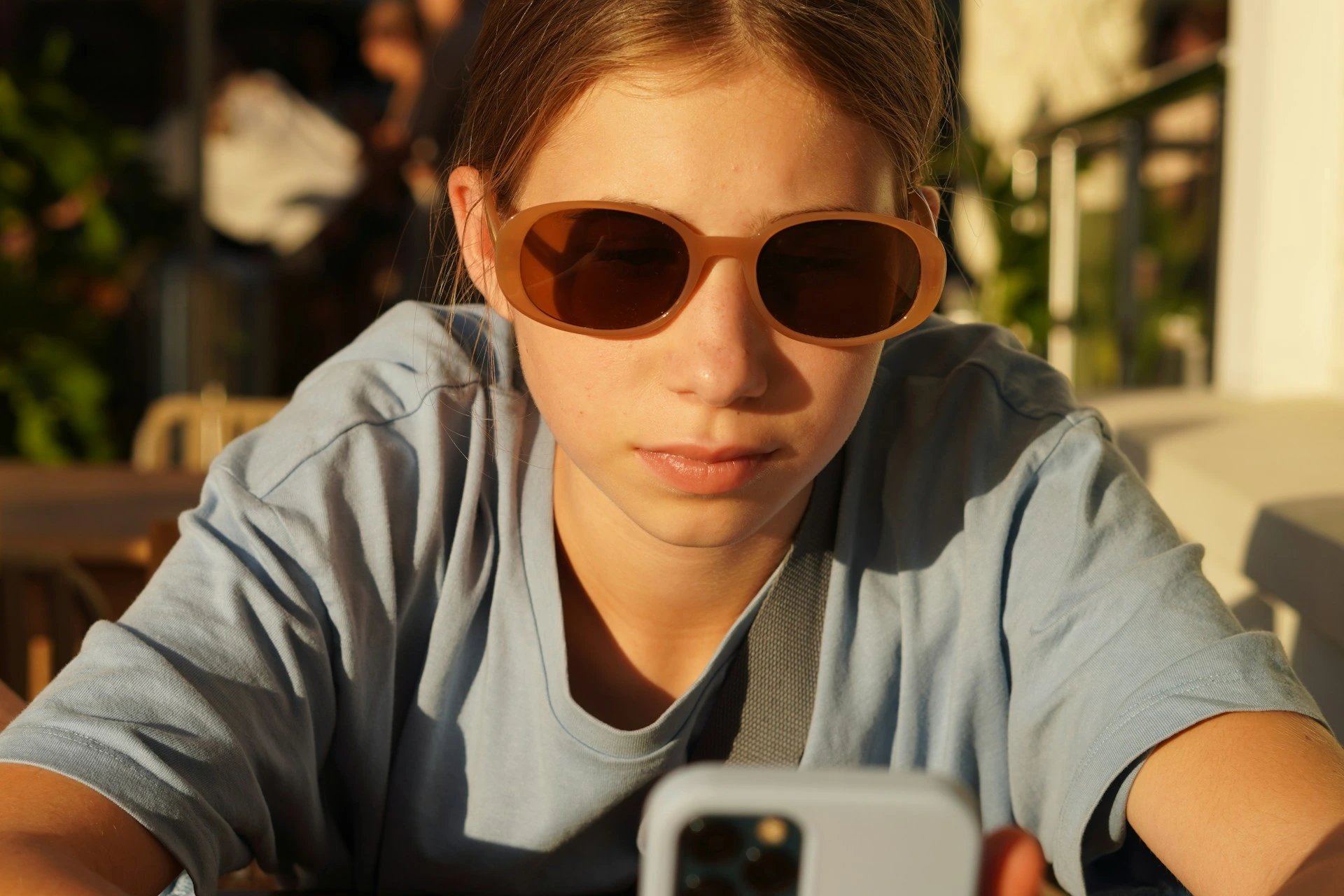
Photo by Tati Odintsova on Unsplash
Australia To Ban Social Media For Children Under 16 In World-Leading Initiative
- Written by Andrea Miliani Former Tech News Expert
- Fact-Checked by Sarah Frazier Former Content Manager
In a Rush? Here are the Quick Facts!
- The legislation plan is expected to be effective by the end of next year
- The Australian government is testing an age-verification system to block social media platforms from anyone under 16 years old
- Instagram, Facebook, TikTok, X, and probably YouTube are among the platforms affected by the legislation
Australian Prime Minister Anthony Albanese announced today a legislation plan for a social media ban for children and teenagers under 16.
“Social media is doing harm to our kids, and I’m calling time on it,” said the Prime Minister during a morning conference.
According to Reuters , Albanese called the measure a world-leading package and expects it to become a law by the end of next year.
The government is testing an age-verification system to block social media platforms for children, one of the most severe measures across the globe.
Once the system is deployed and under the law next year in Australia, there will be no exemptions, even if parents want to allow their children to access these platforms.
Experts have previously warned about the risks of this initiative . Australian professors, parents, and teenagers have expressed concerns about isolation—especially for minorities like members of the LGBTQIA+ community, and immigrants with families abroad who find connections and build relationships through social media platforms.
The Prime Minister highlighted the risks to the physical and mental health of children from consuming content from these platforms and their addictive algorithms. Albanese mentioned how misogynist content aimed at boys and harmful body image messages aimed at girls could affect them during their development.
According to Al Jazeera , the initiative would involve multiple social media platforms. Michelle Rowland, Australia’s Minister of Communications, said that Meta’s Facebook and Instagram, Tiktok, X, and probably YouTube are among the networks affected by this new measure.
Apple recently introduced a safety feature on iMessage to report nudes in messages sent to children under 13.
