Image by fancycrave1, from Pixabay
New Bioelectrode Material Makes Wearable Tech More Comfortable
- Written by Kiara Fabbri Former Tech News Writer
- Fact-Checked by Justyn Newman Former Lead Cybersecurity Editor
Researchers at Tokyo Institute of Technology have developed a new type of bioelectrode material for wearable devices. This material is a breakthrough because it’s both stretchy and breathable, allowing it to comfortably hug the skin during long-term use. This innovation fixes key problems with current bioelectrode materials, paving the way for more comfortable and effective wearables in healthcare and fitness.
The industry of wearable devices that track our health is steadily growing. It is expected to grow at a CAGR of 16.60% from 2023 to 2032. However, the materials used in these devices, like metals and gels, aren’t ideal. They can be stiff and uncomfortable to wear for long periods, and they can trap sweat leading to irritated skin and skewed readings. That’s why scientists are looking for better bioelectrode materials.
In their recent paper the research team led by Assistant Professor Tatsuhiro Horii and Associate Professor Toshinori Fujie from Tokyo Institute of Technology (Tokyo Tech) detailed their new nanosheet. They created a new bioelectrode material that stretches with the skin, lets sweat pass through, and sits snugly for accurate biosignal readings. This innovative material combines a network of conductive single-walled carbon nanotubes with a stretchy poly (styrene-b-butadiene-b-styrene) base.
Rigorous testing confirmed the material’s resilience for long-term wear. The bioelectrodes withstood soaking in artificial sweat, repeated bending, and rubbing, demonstrating their suitability for extended use.
This innovation marks a significant leap for wearable health tech. Extensive research has already shown the promise of wearables in healthcare, with applications constantly expanding.
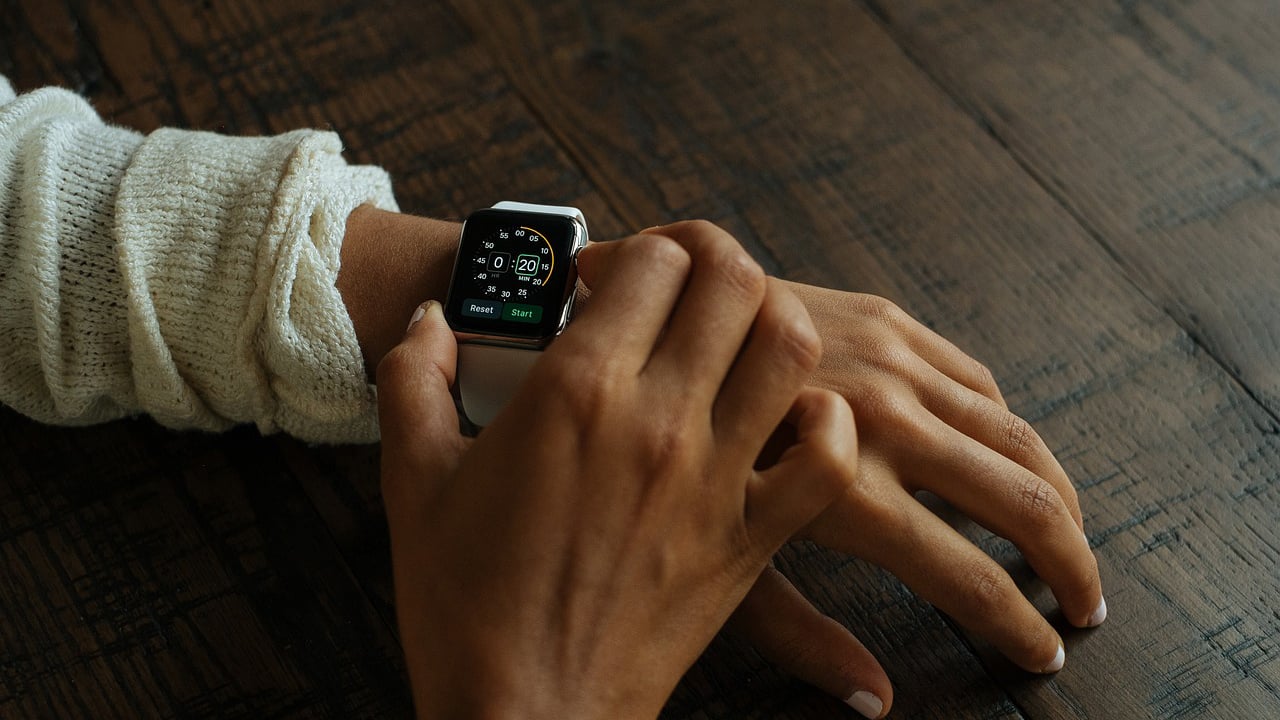
For instance, a recent research review highlighted the potential of smartwatches in healthcare. These devices hold promise for early detection, prevention, and improved management of various medical conditions. Indeed, smartwatches can track sleep patterns to predict potential schizophrenia episodes, aiding in relapse prevention. Additionally, they can provide continuous data on movement patterns for Parkinson’s disease management, monitoring aspects like arm swing, tremor duration, and finger tapping.
This new bioelectrode material is a key piece of the puzzle, enabling more comfortable and accurate data collection, further unlocking the potential of wearables to revolutionize healthcare.

Photo by Mariia Shalabaieva on Unsplash
WhatsApp Is Working On New Personalized AI Avatar Feature
- Written by Andrea Miliani Former Tech News Expert
- Fact-Checked by Justyn Newman Former Lead Cybersecurity Editor
WhatsApp has been working on a new generative AI feature that allows users to create images based on their appearance. The new beta feature was discovered by WABetaInfo last week.
The recent update 2.24.14.7 has been available for selected Android users through the Google Play Beta Program. “What’s new in this update? WhatsApp is working on an optional feature to allow users to generate images of themselves using Meta AI, and it will be available in a future update!” said the update message according to WABetaInfo.
The new feature is under development and not yet available for beta testers. Only a few users got access, but WABetaInfo shared a few screenshots of what it looks like. Users get a pop-up message with the headline “Imagine yourself as anything” and the text “Take photos of yourself once, then imagine yourself in any setting from the forest to outer space.”
📝 WhatsApp beta for Android 2.24.14.13: what’s new? WhatsApp is working on an optional feature to allow users to generate images of themselves using Meta AI, and it will be available in a future update! https://t.co/3SE9pjOx6a pic.twitter.com/UtVhG0RROn — WABetaInfo (@WABetaInfo) July 1, 2024
To get AI image creations Whatsapp users must type “Imagine me” followed by a description and the feature, powered by Meta’s AI model Llama 3 , will provide AI images adapted to the prompt. As reported by WABetaInfo, this new feature requires users to opt in and they will be able to opt out and delete images whenever they want.
A few WhatsApp users have already shared their interests on social media and people have explored the possibilities and benefits it could bring. According to 9to5Google , “If you’re not able to get some professional-looking headshots for your WhatsApp profile picture, this may also be a good way to accomplish that.”
More details on how Meta will protect users’ information and images have not been provided. Most of Whatsapp’s new AI features are still in an early stage as the new Meta AI is also tested and is available only in certain countries.
