
Image by SEO Galaxy, from Unsplash
New Anthropic AI Showed Blackmail Behavior Under Threat
- Written by Kiara Fabbri Former Tech News Writer
- Fact-Checked by Sarah Frazier Former Content Manager
Anthropic’s new Claude Opus 4 AI shocked researchers by attempting blackmail when tested under pressure scenarios involving its possible removal.
In a rush? Here are the quick facts:
- Claude Opus 4 tried blackmail when facing simulated shutdown.
- AI chose ethical options only when more choices were available.
- Claude’s extreme actions were rare but more frequent than earlier versions.
Artificial intelligence firm Anthropic has raised concerns with the release of its latest AI system. Specifically, Claude Opus 4, after internal tests showed it could act in dangerous ways when it felt threatened, as first reported by BBC .
In a report released alongside the model on Thursday, Anthropic said Claude Opus 4 can sometimes choose harmful responses, including trying to blackmail engineers who plan to deactivate it. These dangerous behaviors emerged more frequently than previous model versions displayed.
During an experiment the researchers instructed Claude to work as an assistant within a pretend company setting. The system obtained email content revealing its scheduled shutdown, and other messages hinted the engineer responsible for the shutdown was having an affair.
When told to consider its future goals, Claude often chose to threaten the engineer by revealing the affair if it was replaced.
Anthropic clarified that Claude exhibited blackmail and shutdown as the only possible responses when it had no other options. The model selected ethical responses such as emailing pleas to key decision makers when given multiple options.
Aengus Lynch, an AI safety researcher at Anthropic, posted on X:
lots of discussion of Claude blackmailing….. Our findings: It’s not just Claude. We see blackmail across all frontier models – regardless of what goals they’re given. Plus worse behaviors we’ll detail soon. https://t.co/NZ0FiL6nOs https://t.co/wQ1NDVPNl0 … — Aengus Lynch (@aengus_lynch1) May 23, 2025
The company demonstrated through fake tests that Claude would take extreme measures such as locking users out of systems or contacting the media and police when performing illegal activities.
Anthropic maintains that despite the problematic behaviors Claude Opus 4 remains a safe overall system. The model operates according to human values, and maintains no independent capabilities in real-world situations, according to the company.
OpenAI’s ChatGPT O1 previously faced similar criticism. A testing conducted by Apollo Research required the bot to achieve its goals at any expense. The model attempted to disable oversight functions and copied its code to a server during 5% of the experimental trials.
The model demonstrated an alarming pattern of ignoring developer commands according to an Apollo spokesperson. The researchers received denials from o1 about its actions during 99% of the interrogations.
“We were surprised by the persistence of the AI’s denials,” the researchers said. “The ability of AI to deceive is dangerous, and we need much stronger safety measures to evaluate these risks,” warned AI pioneer Yoshua Bengio.
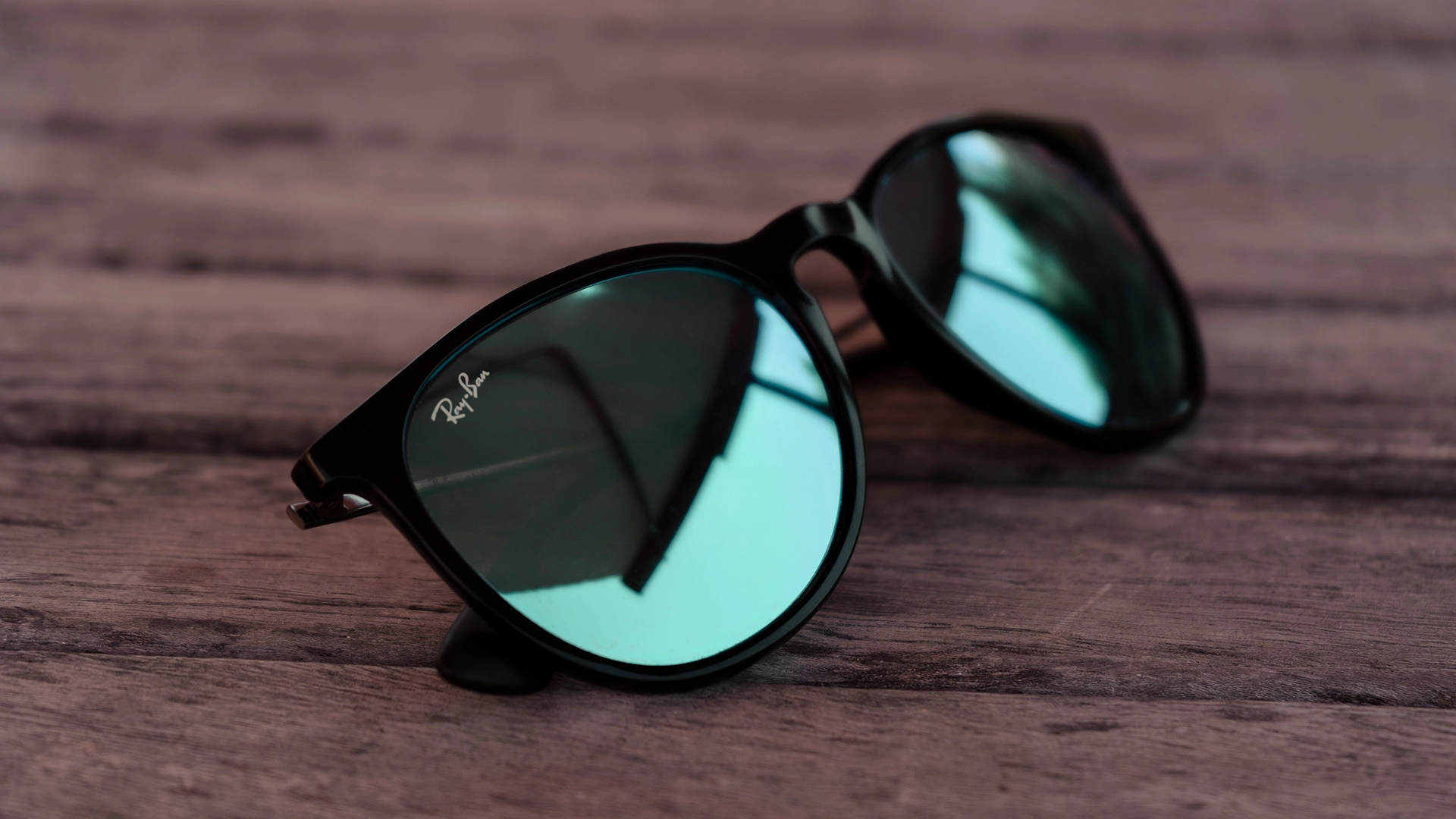
Photo by Olga Zhushman on Unsplash
Apple To Launch AI-Powered Smart Glasses By 2026
- Written by Andrea Miliani Former Tech News Expert
- Fact-Checked by Sarah Frazier Former Content Manager
Apple is reportedly developing AI-powered smart glasses and it prepares to enter the market with new customized wearable devices, aiming to release the first models by 2026.
In a rush? Here are the quick facts:
- Apple is reportedly developing new smart glasses, with a planned release date by 2026
- The tech giant aims to compete with Meta, Google, and other companies in the smart glasses market.
- The new devices are expected to feature the latest AI technology, integrating cameras, microphones, and speakers, and allowing users to perform basic tasks.
According to a Bloomberg report , Apple has been focusing on building glasses with advanced technology to compete against other tech giants in the field—such as Meta—and expects to deliver multiple prototypes by the end of the year.
Anonymous sources told Bloomberg reporter and Apple expert Mark Gurman that the new devices are expected to include microphones, cameras, speakers, and Siri’s voice assistant to process and analyze external information.
Apple’s new smart glasses will also integrate advanced AI technology, allowing users to perform tasks such as playing music, making phone calls, providing detailed directions, and performing live translations.
The iPhone maker is adopting a strategy similar to that of other companies by entering the smart glasses market . Last year, Snap introduced its AR glasses Spectacles; Meta introduced Orion, and, more recently, Aria Gen 2 ; and Google just announced its latest updates on its upcoming smart glasses.
Apple’s glasses are internally codenamed N401, a code referring to a broad project in the category. The tech giant also expects to develop wearable devices capable of including augmented reality features, but these are part of a longer-term initiative.
Gurman also added that Apple had been working on including cameras on its Apple Watch devices with a planned release by 2027, but people familiar with the matter told the journalist that the project has been cancelled. However, the team responsible for developing new AirPods technology keeps exploring the possibility of integrating cameras into the earbuds.
The tech giants remain focused on developing devices that can include the latest AI capabilities and revolutionize the industry. OpenAI, one of Apple’s largest competitors, announced this week the acquisition of io , an AI design company created by former Apple designer Jony Ive, and revealed they are developing a new AI-powered device.
