
Photo by Surface on Unsplash.
Microsoft Introduces “Computer Use,” a New AI Feature for Copilot Studio
- Written by Andrea Miliani Former Tech News Expert
- Fact-Checked by Sarah Frazier Former Content Manager
Microsoft introduced this Tuesday a new feature for Copilot Studio called computer use that allows AI agents to interact with websites and desktop applications autonomously. The new update is available in early access research preview for selected users.
In a rush? Here are the quick facts:
- Microsoft introduced computer use, a new feature for AI agents on Copilot Studio.
- The technology allows AI agents to perform complex tasks and take control of the user’s desktop by interacting with applications and platforms.
- The new AI feature is currently available as an early access research preview.
According to Microsoft’s announcement , computer use allows AI agents to recognize multiple elements in platforms, navigate, click, and interact with multiple websites without the need for an API.
“With computer use, agents can now interact with any system that has a graphical user interface,” wrote Charles Lamanna, Corporate Vice President, Business & Industry Copilot at Microsoft. “If a person can use the app, the agent can too.”
The tech giant highlighted several use cases, including automated data entry for handling large volumes of information, market research by having AI agents gather data from multiple websites and generate insight-driven analyses, and invoice processing by using AI agents in Copilot Studio to extract and transfer invoice data directly into a company’s accounting systems—eliminating the need for manual input.
Microsoft stated that the new capabilities are both intuitive and intelligent, designed to overcome challenges such as navigating complex interfaces. With computer use, AI agents can perform tasks in real time, allowing users to monitor their actions and track performance through a history log that includes reasoning steps and screenshots of the relevant task.
Those interested in testing the new AI feature can fill out a form and request to participate in the early access period. The company has also promised to provide more details at the Microsoft Build event in May.
Just a few weeks ago, Microsoft announced a set of AI-powered security agents , and now computer use. Copilot Studio’s new AI feature can be compared to OpenAI’s Operator program . The AI startup introduced Operator back in January as an AI agent that can take control of computers and perform tasks autonomously.
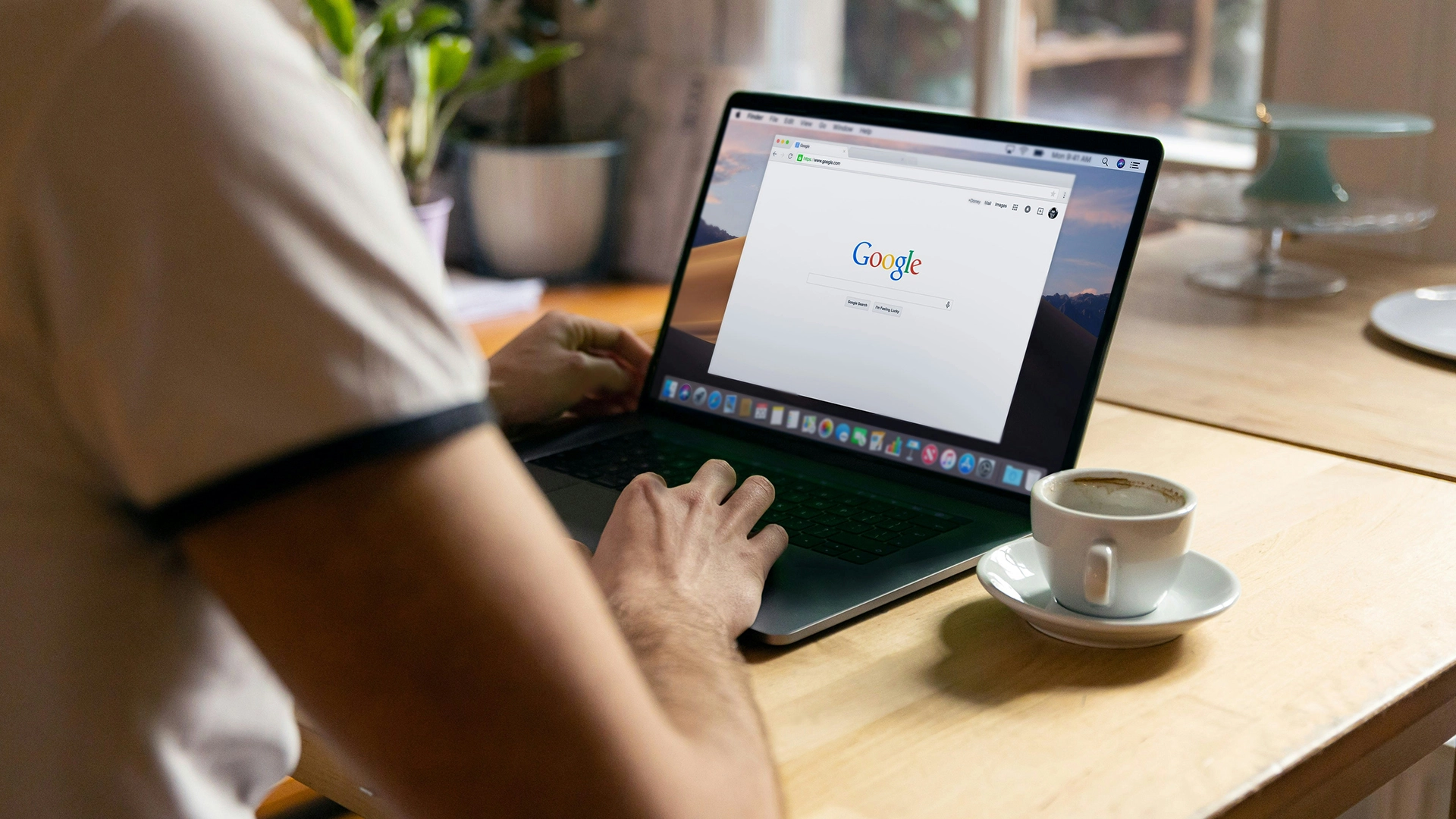
Image by Frembee.com, from Unsplash
Google Suspended Over 39 Million Fraudulent Ad Accounts Using AI Tools
- Written by Kiara Fabbri Former Tech News Writer
- Fact-Checked by Sarah Frazier Former Content Manager
Google suspended over 39 million fraudulent advertiser accounts in 2024 using AI, blocking billions of scam ads before they reached the public.
In a rush? Here are the quick facts:
- Over 5.1 billion ads were blocked or removed last year.
- AI detected fake businesses and illegitimate payments before ads went live.
- Deepfake-related ad complaints dropped 90% after new enforcement steps.
Google implemented its largest ad fraud crackdown to date by halting 39.2 million advertiser accounts during 2024 — more than triple the previous year’s total, as first reported by TechCrunch . The company attributed this improvement in early detection to its use of AI and large language models (LLMs).
The AI models help to identify abnormal activities including fake business details and payment fraud. The majority of these accounts were halted before their ads could launch.
“While these AI models are very, very important to us and have delivered a series of impressive improvements, we still have humans involved throughout the process,” said Alex Rodriguez, General Manager for Ads Safety at Google, during a media roundtable, as reported by TechCrunch.
Rodriguez stated that more than 100 specialists from Google’s Ads Safety team, Trust and Safety division, and DeepMind worked together to analyze threats, including deepfake ads that impersonated celebrities, as reported by TechCrunch. Google suspended more than 700,000 ad accounts related to these scams, and deepfake-related complaints dropped by 90%.
According to Mashable , Google reported that its platform eliminated 415 million scam-related ads and blocked a total of 5.1 billion ads across all regions in 2024. Many of these ads violated policies related to sensitive topics, including personal hardships, religious beliefs, and health claims.
The crackdown comes amid broader concerns over online ad security. Microsoft recently warned of a massive malvertising campaign that infected nearly one million devices . Cybercriminals used malicious ads to redirect users to GitHub repositories hosting malware, which stole data and enabled remote access.
This follows a separate Android threat: researchers recently discovered a campaign distributing SpyNote malware via fake Google Play Store pages .
These deceptive sites trick users into downloading infected apps disguised as popular software. Once installed, the malware enables attackers to access microphones, GPS, contacts, and even remotely control the device.
The large-scale suspension of accounts often raises concerns about fairness. Rodriguez acknowledged this, noting that Google has updated its policies and communication tools to improve clarity for advertisers.
“Oftentimes, some of our message wasn’t as clear and transparent about specifics […] It’s been a big focus for the team as part of 2024 and into 2025,” he said, as reported by TechCrunch.
