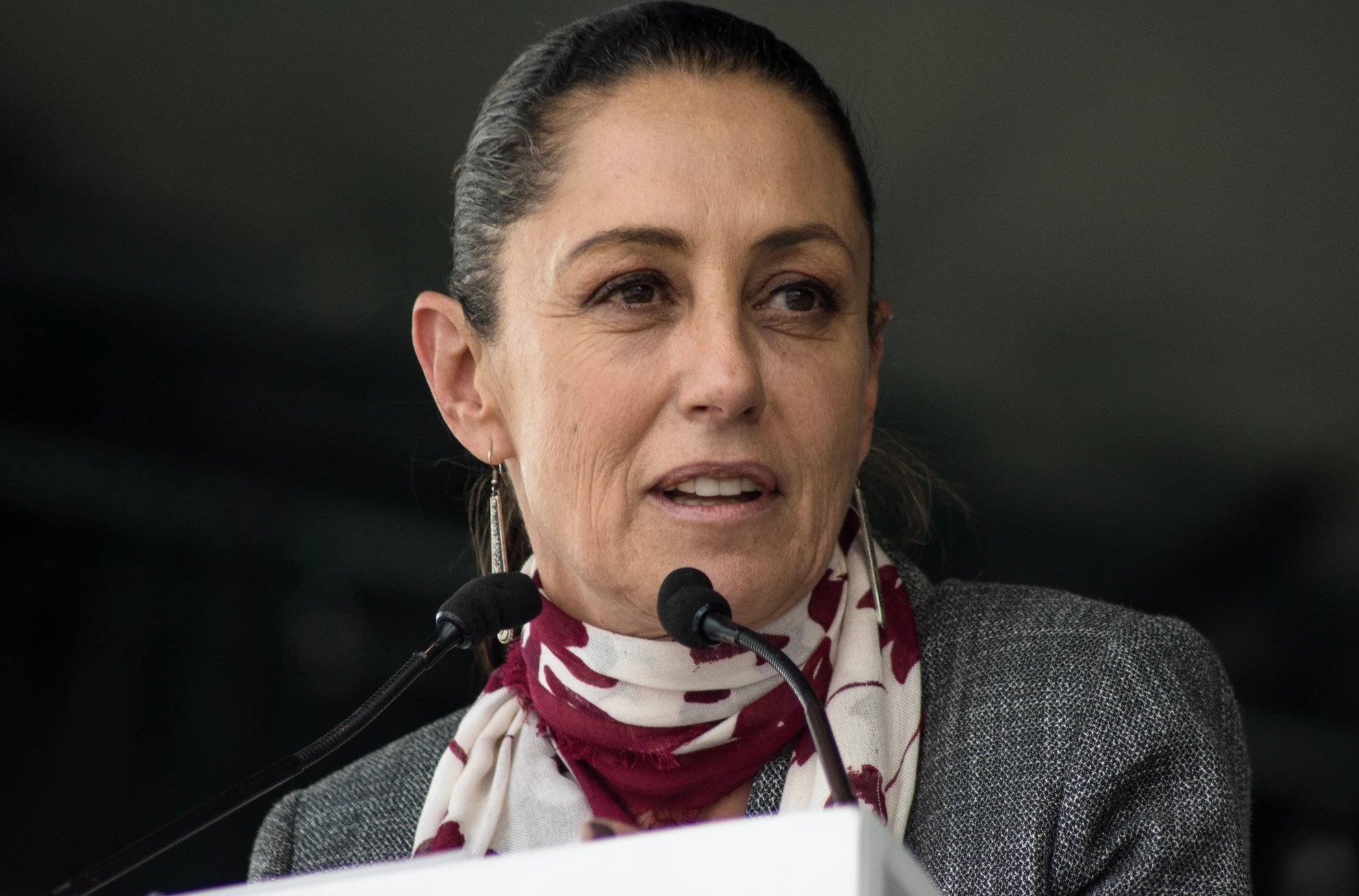
Image by Secretaría de Cultura Ciudad de México, from WIkimedia Commons
Mexico Threatens Legal Action Against Google Over Gulf Of Mexico Name Change
- Written by Kiara Fabbri Former Tech News Writer
- Fact-Checked by Justyn Newman Former Lead Cybersecurity Editor
Mexico has threatened to sue Google if the tech giant does not reverse its recent renaming of the Gulf of Mexico.
In a Rush? Here are the Quick Facts!
- Google renamed the Gulf of Mexico to “Gulf of America” for US users.
- President Sheinbaum claims Trump’s decree applies only to US continental shelf.
- Mexico insists name change only applies to US territorial waters, not entire Gulf.
In a press conference on Monday, Mexican President Claudia Sheinbaum voiced strong disapproval over Google’s decision to label the entire body of water as the “Gulf of America” for US-based users of Google Maps.
She argued that the renaming was an incorrect interpretation of a 2020 order by former President Donald Trump, which applied only to the portion of the gulf within US jurisdiction, as noted by CNN .
Trump’s decree, according to Sheinbaum, applied only to the portion of the Gulf of Mexico under US jurisdiction—specifically, the US continental shelf extending 22 nautical miles from the US coast, as noted by CNN.
“What Google is doing here is changing the name of the continental shelf of Mexico and Cuba, which has nothing to do with Trump’s decree, which applied only to the US continental shelf,” Sheinbaum told reporters, as reported by CNN.
“We do not agree with this, and the Foreign Minister has sent a new letter addressing the issue,” she added.
The controversy began last week when Google renamed the Gulf of Mexico as the Gulf of America for US users, citing a “longstanding practice of applying name changes when they have been updated in official government sources.” as noted by CNN.
However, people in Mexico and other countries still see the body of water listed as the Gulf of Mexico. For users outside the US, Google Maps displays both names.
Sheinbaum emphasized that the renaming was inaccurate and that the decree was only effective within US territorial waters. “The only place it was effective was where [the US] has sovereignty, or up to 22 nautical miles from the coast,” Sheinbaum stated last week, as previously reported by Reuters .
“If necessary we will file a civil suit,” she added, reiterating that Mexico would take legal action if Google does not correct the name.
Business Insider notes that the Mexican government has been in talks with Google since January about the name change. In response to Google’s decision, Mexico’s Foreign Minister sent a formal letter asserting that any reference to the “Gulf of America” label on Google Maps should be strictly limited to the marine area under US jurisdiction.
The letter read, “Any extension beyond that zone exceeds the authority of any national government or private entity,” as reported by Business Insider.
Mexico’s legal team is already examining the possibility of a civil suit, but Sheinbaum stated that the government would await a response from Google before proceeding with legal action.
“Our legal area is already looking into what that would mean, but we hope that (Google) reconsiders,” she said. The situation remains unresolved as both parties continue discussions.
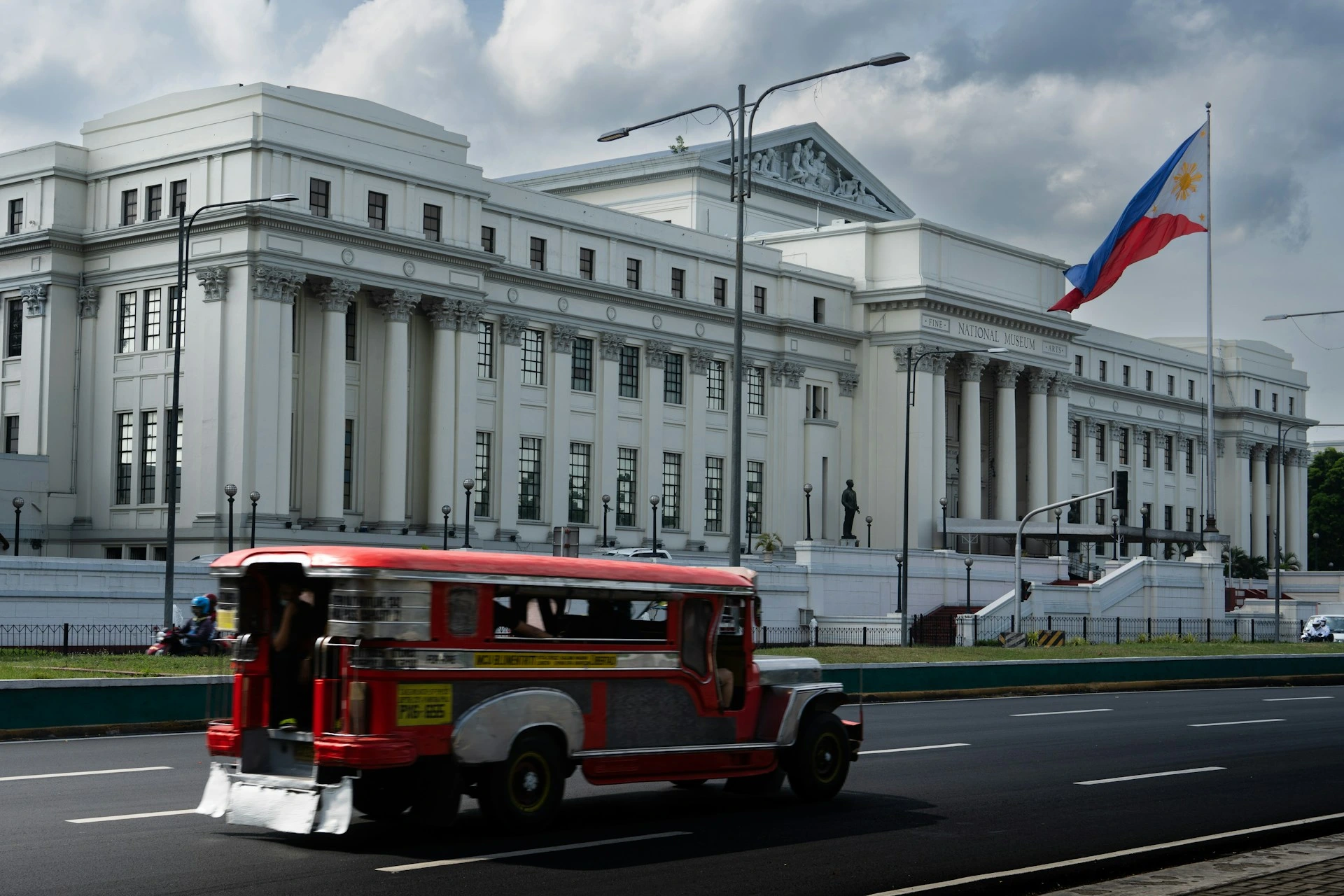
Photo by Myk Miravalles on Unsplash
Philippines Warns Of Cyber Intrusions Aiming At Sensitive Government Data
- Written by Andrea Miliani Former Tech News Expert
The government of the Philippines announced this Tuesday that foreign malicious actors attempted to access their intelligence data.
In a Rush? Here are the Quick Facts!
- The Philippine government reported multiple attacks and data theft attempts by foreign cyber threats.
- Minister Ivan Uy said that malicious actors did not breach safety systems that have been working properly.
- Authorities are working with military forces and international organizations to improve security and address the situation.
According to Reuters , the minister for information and communications Ivan Uy said they noticed multiple attempts to steal data but hackers failed to breach the government’s system.
“These have been present for quite some time, and threats come from many actors, but a big majority of them are foreign,” said Uy to Reuters. “Why are these things operating in those systems, without even anybody calling it out?”
The Advanced Persistent Threats have not attacked critical infrastructures and the government’s security and safety systems have been working properly, but authorities acknowledged difficulties in identifying the attackers as they leave misleading traces.
The Philippines is already working with other organizations, countries, and military forces—through diplomatic strategies—to address this situation, strengthen defenses, and validate threats.
Last year, hackers from China attempted to break into email systems and websites in the Philippines, but authorities also prevented this.
“World War III is happening and it is cyber,” added Uy. “These weapons are non-kinetic. They are cyber, digital, virtual, but it’s happening, but the attacks and defenses are happening as we speak, without any physical manifestation.”
The minister also raised concerns about the surge of deepfakes, disinformation, and misinformation created with the help of AI tools, viewing them as an increasing threat to democratic governments.
A recent British study also warned about AI misinformation and noted the increasing risk of bank runs.
