
Meta Tests Instagram Features to Protect Teens
- Written by Shipra Sanganeria Cybersecurity & Tech Writer
- Fact-Checked by
Meta is testing new features on its Instagram platform to protect teens from potential sexual scams. The social media giant, in a blog post on April 11 , announced the new tools, including a feature that auto-blurs nudity in Instagram messages.
“This feature is designed not only to protect people from seeing unwanted nudity in their DMs, but also to protect them from scammers who may send nude images to trick people into sending their own images in return,” Meta said.
Meta stated that the nudity protection feature would utilize on-device machine learning and operate within end-to-end encrypted chats to ascertain whether an image contains nudity. Moreover, through warnings, it will also give users an option whether or not to view the image, block the sender, or report the chat.
The feature will be turned on by default for children under 18 globally, and adult users will receive notifications encouraging them to turn it on.
Meta also said that it is developing new technology based on specific signals aimed at identifying accounts that might be involved in potential sextortion scams. In recent months, the company has implemented many measures to protect young people, including restricting DMs from adults with whom they are not connected.
In line with these, Meta is testing new tools, like removing the “Message” button on a teen’s profile, so any potentially dangerous account can’t communicate with them, even if the two accounts are already connected. These and other precautionary tools are to stop potential scammers and criminals from finding and interacting with young people.
In addition to announcing safe and age-appropriate content policies for teens , Meta said that it will also increase data-sharing with the cross-platform online child safety program, Lantern .
Lately, major tech firms such as Meta have been under scrutiny by regulators in the US and Europe concerning the lack of protective measures to shield children and young individuals from illegal and harmful content.
World’s Largest SD Card Doubles Capacity to 4TB
- Written by Deep Shikha Content Writer
- Fact-Checked by
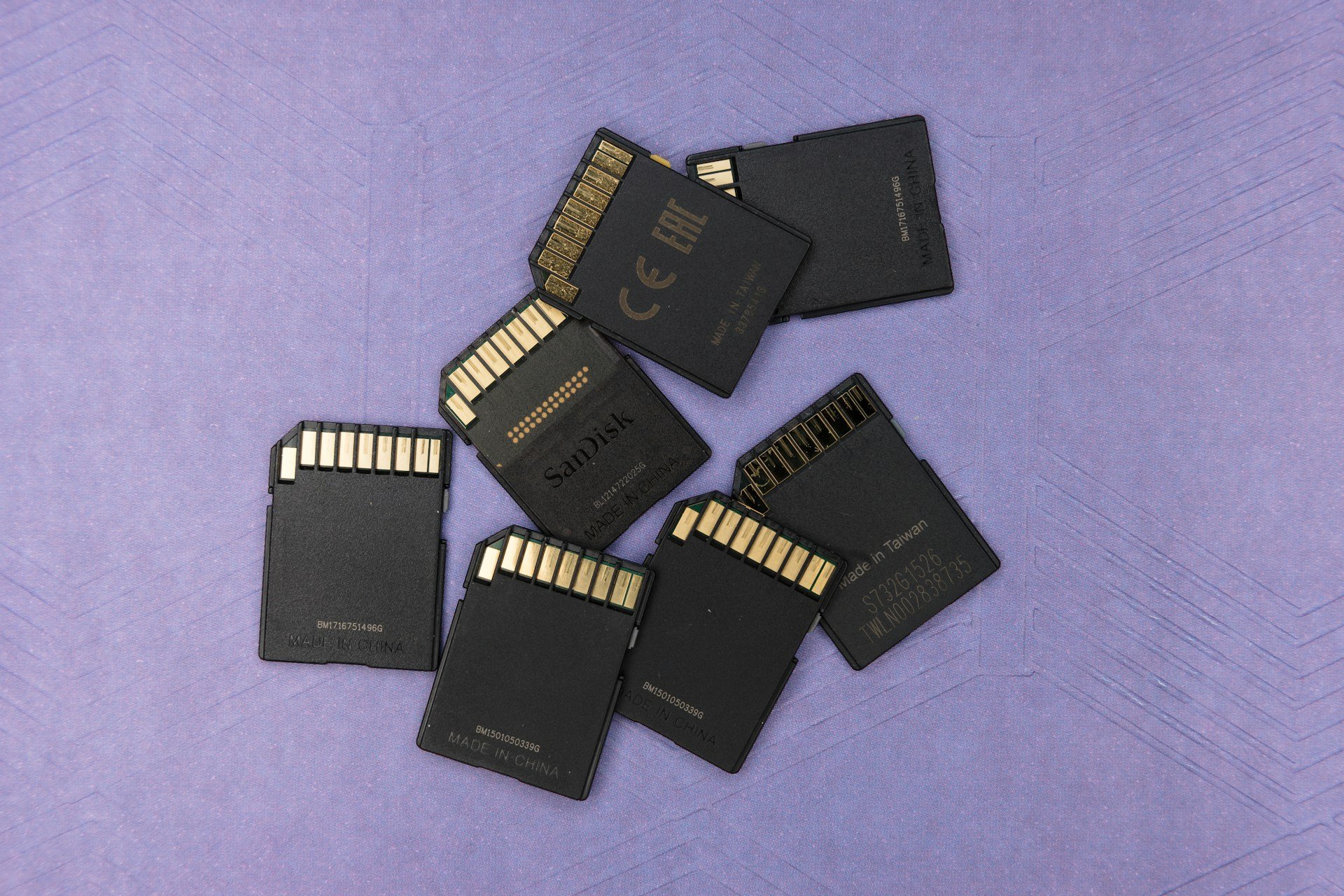
Western Digital (WD) unveiled its latest innovation at the NAB Show last week in Las Vegas — the SanDisk Extreme PRO SDUC UHS-I, a 4TB SD card set to revolutionize storage solutions.
In an announcement , WD said it will release new SD cards under its SanDisk brand, adhering to the SD Association’s Secure Digital Ultra Capacity (SDUC) standard.
Set to launch in 2025, the card is built for demanding media tasks, such as high-resolution and fast-frame-rate video, used in cameras and laptops.
For professionals, this means the ability to store and manage larger datasets on a single card — crucial for tasks like recording and editing 8K video or handling extensive raw photo libraries without frequent swaps or data transfers.
Along with the 4TB card, WD also introduced the 2TB SanDisk Extreme Pro SDXC UHS-I and Extreme Pro microSDXC UHS-I memory cards to accommodate the increasing need for producing and storing more detailed content.
The attendees of the event got a full preview of these powerful cards from WD.
AnandTech reports that the card features an Ultra High Speed-I (UHS-I) interface, which can transfer data up to 104MB/s in UHS104 mode. It also offers a minimum sequential write speed of 30MB/s, sufficient for recording 8K video.
ArsTechnica suggested that while the 4TB SD card can accommodate storage-intensive video formats like 8K, it will not be fast enough to support raw, uncompressed 8K video recording with its current specifications.
Other media card formats for creative professionals include XQD, which has a maximum capacity of 2TB, and CFexpress, valued for its high speed. The newest version, CFexpress 4.0, announced last year, supports faster data speeds but still caps at 2TB.
According to The Verge , the SD Association introduced the Secure Digital Ultra Capacity (SDUC) card specifications in 2018, which envisioned SD cards holding up to 128 terabytes. Progress has been steady but slow, only reaching the 4TB mark as of now.
The Verge also notes that Western Digital has yet to disclose the specific NAND technology used in the new card, indicating that achieving the maximum projected capacity of 128TB could still be far off.
Western Digital has not revealed the pricing for its upcoming 4TB SD card. However, The Verge suggests that based on the current price of the 1TB versions, which sell for around $140, the 4TB model could be priced at over $600.
