
Meta Releases Llama 3, Catches Up to OpenAI in AI Race
- Written by Deep Shikha Content Writer
- Fact-Checked by
Meta upped its AI game with the rollout of Llama 3, an advanced AI model now powering a more intelligent, faster, and globally available Meta AI assistant. Announced on April 18, 2024, the latest updates promise a smarter, more creative assistant integrated across Meta’s popular platforms such as Facebook, Instagram, WhatsApp, and Messenger.
“Thanks to our latest advances with Meta Llama 3, we believe Meta AI is now the most intelligent AI assistant you can use for free – and it’s available in more countries across our apps to help you plan dinner based on what’s in your fridge, study for your test, and so much more,” Meta stated in their official announcement .
Meta AI now also supports real-time image generation. This feature can be used for generating album artwork, decorating ideas, or creating animated GIFs, and they’re created much faster than with ChatGPT’s DALL-E 3 integration, for example.
“You’ll see an image appear as you start typing — and it’ll change with every few letters typed, so you can watch as Meta AI brings your vision to life,” the announcement described.
Meta AI is also capable of recommending restaurants, finding concerts, or assisting with schoolwork directly without needing to switch apps or contexts. This integration extends to Meta’s web platform, meta.ai, where users can log in to track their interactions with the AI.
Meta’s AI assistant was introduced last September and has only now fully integrated into Meta’s full ecosystem, including Instagram, Facebook, WhatsApp, and Messenger. It is directly accessible through search boxes and feeds.
Wired highlighted the competitive edge Llama 3 offers, noting its cost-efficiency and openness which could challenge existing AI models like GPT-4.
Forbes pointed out that Meta’s release of Llama 3 might lead to a market dominated by a few key players in consumer-facing AI technologies. By making Llama 3 open-source, Meta positions itself as a significant contender, potentially outpacing smaller competitors who lack the resources to develop such advanced AI tools.
Meta AI is rolling out in English in more than a dozen countries outside the US, such as Australia, Canada, and South Africa, with more regions and languages to be added soon. This global expansion is part of Meta’s broader strategy to make advanced AI tools more accessible and valuable on a worldwide scale.
The Future of Xbox Shows Similarities to PC Gaming
- Written by Deep Shikha Content Writer
- Fact-Checked by
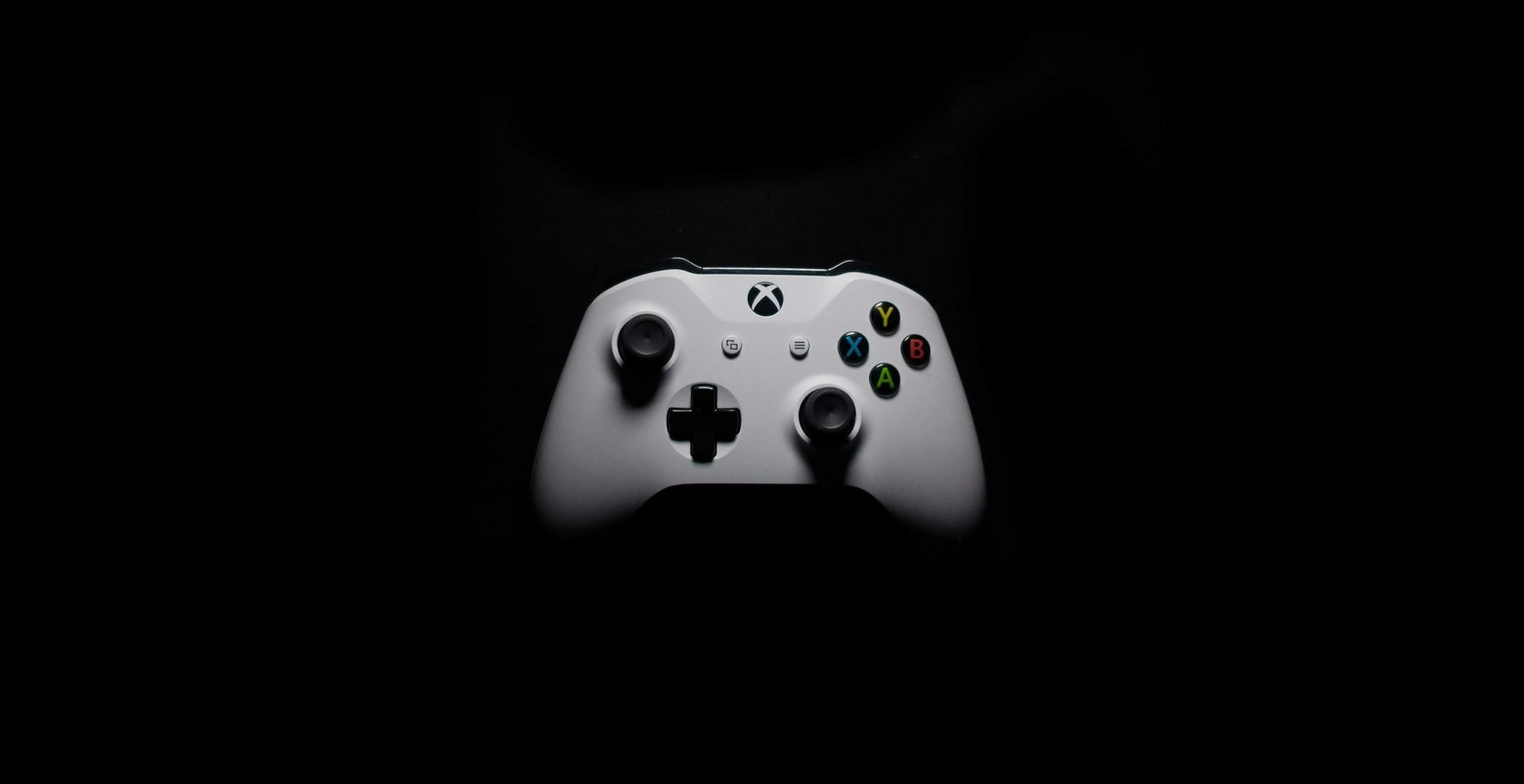
In an interview with Polygon , CEO Phil Spencer revealed plans to integrate PC stores such as the Epic Games Store and Itch.io into Xbox, greatly expanding its platform. This strategy will maintain game libraries over generations and enable smooth gaming across both consoles and PCs, making the Xbox gaming experience that much more similar to the PC gaming one.
According to The Verge , Spencer’s vision includes making Xbox consoles capable of running PC games, moving away from the traditional console model, and moving towards a more inclusive and versatile platform. This shift could mean that future Xbox consoles will support a variety of games from different platforms without the need to switch hardware.
Engadget notes that Microsoft’s plan to integrate PC features into Xbox aims to prioritize gamers’ needs. This approach was emphasized during Microsoft’s annual “Spring Showcase” in San Francisco. At this event, Microsoft outlined its commitment to support Universal Windows Applications on future Xbox consoles.
This will allow gamers to play their games across all Microsoft devices without losing access to their existing game libraries.
This PC-like approach to console gaming isn’t entirely new for Microsoft. The company has gradually aligned Xbox with PC gaming standards , aiming to offer gamers more flexibility in how and where they play. Future hardware updates may occur more frequently, similar to smartphone upgrade cycles, which could mean more regular improvements in console technology without forsaking previously purchased games.
One potential downside to this strategy, as noted by Engadget, is the financial implication for gamers who wish to stay on the cutting edge of technology. Frequent hardware upgrades could require purchasing new consoles more often if older models become incapable of running newer games. However, Microsoft has not yet provided details on this.
Furthermore, Microsoft’s plan includes making its Xbox and Windows platforms more attractive to developers by reducing the gap between console and PC game releases. Microsoft also plans to release games simultaneously on Xbox and Windows, as seen with titles like Quantum Break,” to ensure a consistent and unified gaming experience across all its platforms.
Despite the ambitious plans, skepticism remains, partly due to past difficulties such as the Games for Windows Live initiative. Yet, under Spencer’s leadership and with backing from Microsoft CEO Satya Nadella, the company is committed to overcoming these challenges and making Windows and Xbox the best platforms for gaming.
As Microsoft continues to develop its gaming strategy, the convergence of Xbox and PC gaming could redefine the landscape of the gaming industry, influencing how games are developed, played, and preserved across platforms. This approach not only aims to enhance the gaming experience but also promises to extend the life of gamers’ existing libraries, ensuring that their investments remain valid and accessible regardless of the hardware they choose.
