
Image by Anthony Quintano, from Flickr
Meta Fires 20 Employees For Leaking Confidential Information
- Written by Kiara Fabbri Former Tech News Writer
- Fact-Checked by Sarah Frazier Former Content Manager
Meta has dismissed around 20 employees for leaking internal information, reinforcing its stance against unauthorized disclosures.
In a Rush? Here are the Quick Facts!
- Meta fired about 20 employees for leaking confidential information.
- Meta warned employees against leaking after reports on Zuckerberg’s all-hands meeting.
- CTO Andrew Bosworth said the company is making progress in identifying leakers.
The Verge first reported the terminations, which come amid heightened scrutiny over leaks revealing unannounced product plans and internal meetings.
“We tell employees when they join the company, and we offer periodic reminders, that it is against our policies to leak internal information, no matter the intent,” Meta spokesperson Dave Arnold told The Verge.
We recently conducted an investigation that resulted in roughly 20 employees being terminated for sharing confidential information outside the company, and we expect there will be more. We take this seriously, and will continue to take action when we identify leaks,” he added.
The company has increased efforts to track leaks following reports about CEO Mark Zuckerberg’s recent all-hands meeting. After details from the meeting surfaced in the press, Meta issued warnings, and CTO Andrew Bosworth later told employees that the company was making progress in identifying leakers, The Verge reported.
“There’s a funny thing that’s happening with these leaks,” Bosworth said during an internal meeting in early February, as noted by The Verge. “When things leak, I think a lot of times people think, ‘Ah, okay, this is leaked, therefore it’ll put pressure on us to change things.’ The opposite is more likely.”
A prior meeting with Bosworth was also leaked. He later discussed the matter in an internal open group called Let’s Fix Meta, stating, “As predicted, the entirety of today’s Q&A leaked. It sounds like someone just gave the entire audio feed to a journalist,” as reported by The Economic Times .
Meta did not specify what information was leaked, who the employees were, or where the details were shared. However, the move comes during a period of internal unrest.
The company’s crackdown suggests that further terminations could follow as its internal investigation continues. Employee morale has reportedly declined following Zuckerberg’s policy changes, including adjustments to content moderation, the dissolution of diversity, equity, and inclusion (DEI) programs.
Additionally, Meta recently cut 3,600 jobs , citing performance issues, but some affected employees say they had no history of underperformance. Others claim they were let go while on parental or medical leave.
The Economic Times argues that Meta’s recent terminations align with a broader wave of layoffs across major tech companies. Google, for instance, cut fewer than 100 jobs in its cloud division, mainly in sales operations.
Additionally, the Alphabet-owned company introduced a voluntary exit program for U.S. employees in its Platforms & Devices division.
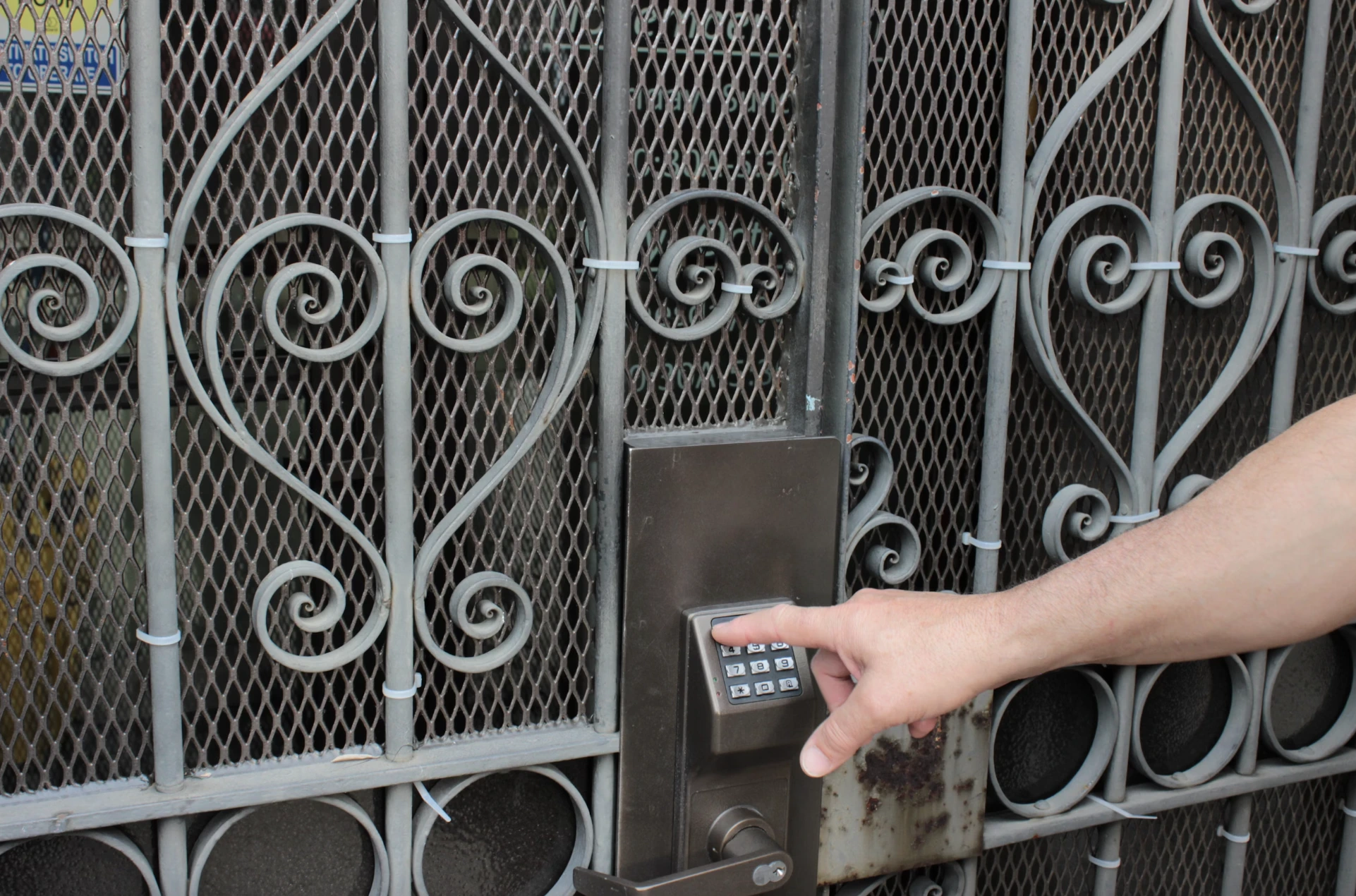
Image by Danielle Rice, from Unsplash
Exposed AMS Systems Risk Unauthorized Access to Buildings and Infrastructure
- Written by Kiara Fabbri Former Tech News Writer
- Fact-Checked by Sarah Frazier Former Content Manager
A major security problem has been uncovered that affects thousands of companies worldwide, putting both employee privacy and physical security at risk.
In a Rush? Here are the Quick Facts!
- Over 49,000 exposed AMS systems were found, affecting companies globally, including critical sectors.
- Personal data, biometric information, and access logs were among the leaked details.
- Unauthorized access to buildings and vehicles could be gained through exposed systems.
A report from cybersecurity firm Modat reveals that security systems used by many organizations—known as Access Management Systems (AMS)—have been left exposed on the internet due to misconfigurations.
This leaves sensitive employee data and access to restricted areas vulnerable to cyberattacks. The research shows that critical industries like construction, healthcare, education, manufacturing, oil, and government sectors are affected.
The exposed data includes personal information, such as IDs, photos, biometric details, and work schedules, along with access to buildings and secure areas. This could allow unauthorized people to enter restricted areas and steal sensitive data.
One of the biggest concerns was that some of these exposed systems let attackers change employee information—like photos and biometric data—giving them access to buildings.
Another problem was with vehicle access control systems, which could be altered to allow specific cars into secure areas, such as government or corporate buildings.
Bleeping Computer highlights that exposed AMS pose serious physical security risks, especially in government buildings and critical infrastructure like power stations and water treatment facilities.
In addition to these physical security threats, the exposed data could be used to fuel spear-phishing and social engineering attacks targeting the affected organizations, said Bleeping Computer.
The Modat team found that many of these security problems are concentrated in Europe, the U.S., and parts of the MENA region (Middle East and North Africa).
Italy had the highest number of exposed systems, with more than 16,000, followed by Mexico with 5,940, and Vietnam with over 5,000. The U.S. had nearly 2,000 exposed systems, and while Canada and Japan showed fewer vulnerabilities, they still posed significant risks.
Modat’s investigation found more than 49,000 exposed AMS systems across the world. They’ve reached out to the affected organizations, warning them about the risks and providing advice on how to fix the issues.
Modat advises companies to protect their security systems by blocking outside access with firewalls, updating their software regularly, and limiting who can access sensitive information to prevent unauthorized entry.
