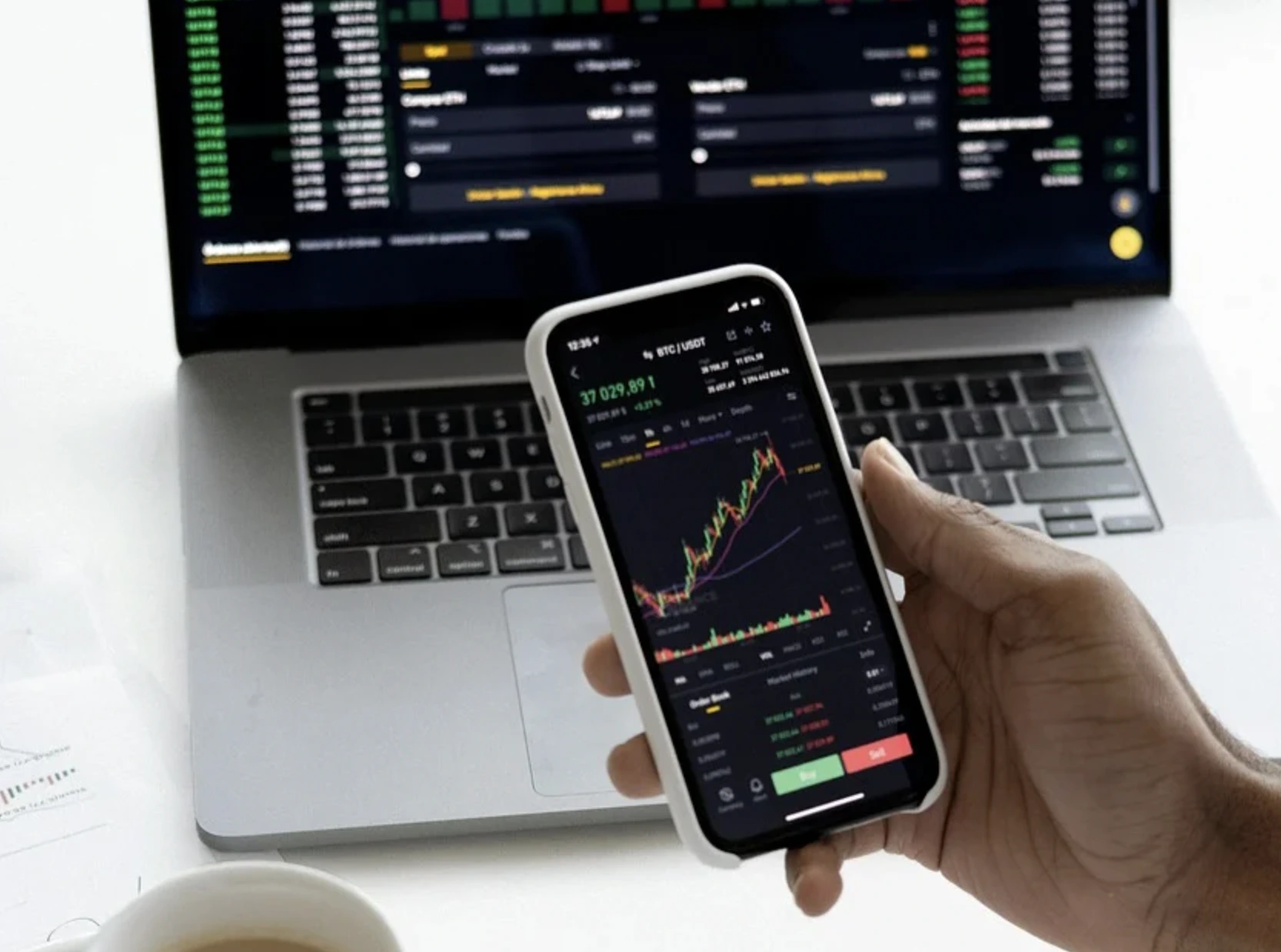
Image by Spectra112, from Pixabay.
Man Arrested for Hacking SEC’s X Account And Boosting Bitcoin Price
- Written by Kiara Fabbri Former Tech News Writer
- Fact-Checked by Justyn Newman Former Lead Cybersecurity Editor
In a Rush? Here are the Quick Facts!
- The hack falsely announced Bitcoin ETFs approval, boosting Bitcoin’s price by $1,000.
- Council used SIM swapping to access the SEC’s account through a victim’s phone.
- He faces charges of aggravated identity theft and access device fraud.
Federal authorities announced today that Eric Council Jr., a 25-year-old from Alabama, has been arrested for his role in hacking the U.S. Securities and Exchange Commission’s (SEC) X account. This hack occurred on January 9, 2024, when a false post claimed that the SEC had approved Bitcoin exchange-traded funds (ETFs).
The misleading tweet caused Bitcoin’s price to surge by over $1,000, capturing the attention of traders and investors. Shortly after the fake announcement, the SEC regained control of their account and confirmed that the post was unauthorized. Following this correction, Bitcoin’s value fell by more than $2,000.
According to the indictment , Council conspired with others to take unauthorized control of the @SECGov X account by performing a SIM swap on the phone account of a person identified only as “C.L.”
This method allowed hackers to trick phone companies into switching a phone number to a new SIM card they controlled. By doing this, Council could access the SEC’s X account and post the fake announcement.
U.S. Attorney Matthew M. Graves stated, “These SIM swapping schemes, where fraudsters trick service providers into giving them control of unsuspecting victims’ phones, can result in devastating financial losses to victims and leaks of sensitive personal and private information.”
He added, “Here, the conspirators allegedly used their illegal access to a phone to manipulate financial markets. Through indictments like this, we will hold accountable those who commit these serious crimes.”
Council faces charges of conspiracy to commit aggravated identity theft, and access device fraud. He is expected to appear in court later today in the Northern District of Alabama. FBI Acting Special Agent in Charge David Geist emphasized the seriousness of SIM swapping.
He commented, “SIM swapping is a method bad actors exploit to illicitly access sensitive information of an individual or company, with the intent of perpetrating a crime. In this case, the unauthorized actor allegedly utilized SIM swapping to manipulate the global financial market.”
This case is being investigated by the FBI’s Washington Field Office Criminal and Cyber Division, the SEC Office of Inspector General, and other law enforcement agencies. The arrest serves as a reminder of the ongoing threat of cybercrime and its potential impact on financial markets.

Image from Freepik
South Korea Tightens Security To Prevent Technology Leaks Amid Global Competition
- Written by Kiara Fabbri Former Tech News Writer
- Fact-Checked by Justyn Newman Former Lead Cybersecurity Editor
In a Rush? Here are the Quick Facts!
- New regulations will introduce harsher punishments for those involved in technology leaks.
- 97 attempts to leak South Korean business secrets have occurred in the last five years.
- Semiconductor industry targeted in 40 cases of attempted foreign leaks.
South Korea is set to introduce tougher measures to prevent the overseas leakage of business secrets. Finance Minister Choi Sang-mok announced this today, highlighting the growing global competition for advanced technologies, as reported by Reuters .
“We will prevent illegal leaks of advanced technologies to raise the global competitiveness of our companies and strengthen technology leadership,” Choi said to Reuters.
The news follows the detention of South Korean executive Choi Jinseog last month for allegedly stealing semiconductor information from Samsung Electronics, specifically related to chip processing technology, also reported by Reuters .
He was accused of transferring this information to a Chinese firm, leading to financial losses. Reuters noted that this case highlights South Korea’s efforts to combat industrial espionage and hinder China’s advancements in chip manufacturing.
According to the National Intelligence Service, over the past five years, there have been 97 attempts to leak business secrets to foreign entities, with 40 of these involving the semiconductor industry, noted Reuters.
The agency estimates that if successful, these leaks would have resulted in a total loss of approximately 23 trillion won ($16.85 billion), said Reuters. These incidents highlight the risks and vulnerabilities particularly within the semiconductor industry.
In response, the government plans to establish a “big data” system at the patent agency to prevent technology leaks. It will also introduce new regulations to enforce stricter punishments for offenders, though Choi did not specify what these penalties would entail, noted Reuters.
In recent years, South Korea has classified 12 industries, including semiconductors, rechargeable batteries, aerospace, and artificial intelligence, as “national strategic technologies,” reported Reuters.
These sectors receive financial backing and additional protection as the country strives to navigate intensifying global competition and disruptions in supply chains.
