
Image by Daniel Foster, from Flickr
Lyft Passenger Gets Mysterious Text Containing Recorded In-Ride Conversation
- Written by Kiara Fabbri Former Tech News Writer
- Fact-Checked by Sarah Frazier Former Content Manager
A Toronto woman received a transcript of her private Lyft conversation, raising serious questions about rider privacy and informed consent under Canadian law.
In a rush? Here are the quick facts:
- Woman received transcript of private Lyft ride conversation via unknown number.
- Lyft initially said recording was part of a pilot, later blamed driver.
- Privacy experts say the incident breaches Canada’s federal privacy law.
The woman described feeling stalked and unsafe after receiving a text message which repeated exactly what she had privately discussed with her roommates during their Lyft ride, as first reported by CBC .
Anvi Ahuja had just arrived home from an eight-minute trip on March 11 when she received the unexpected message from an unknown number. “I was like ‘who is taping me?’” she said. “The driver didn’t inform us that we could be recorded,” as reported by CBC.
When she called the number, she heard a standard-sounding Lyft message: “We can’t connect your call because your driver is not available right now.”
Ahuja contacted Lyft immediately. The representative of the company first explained that Lyft was conducting a new feature test. But a week later, Lyft changed its explanation, blaming the driver for recording her without consent and saying “proper actions” were taken, as reported by CBC.
“These ride-sharing apps are big companies and people have a lot of sensitive conversations within cabs and they feel like they’re secure,” Ahuja said, as reported by CBC. “To know that nothing — even beyond our app experience — in the real world is secure anymore is really freaky and uncomfortable to me.”
Lyft confirmed to CBC that it was conducting an in-app audio recording test in certain U.S. cities with strict opt-in rules, but stated that this case was not part of that program.
In a statement reported by CBC, Lyft said: “Safety is fundamental to Lyft… we will investigate and take action for violations.” The company later suggested the transcript might have been generated through a technical mishap involving masked phone numbers.
Privacy experts say this shouldn’t have happened. CBC reports that former Ontario privacy commissioner Ann Cavoukian called it “completely unacceptable,” adding: “Of course, you assume… conversations with people in the car [won’t be] taped and transcribed.”
According to Canadian privacy laws, companies must clearly inform and get consent from passengers before recording. “They would definitely need to obtain passengers’ meaningful consent,” said Anaïs Bussières McNicoll from the Canadian Civil Liberties Association.
“Even if I’m one of the very few people that experienced this,” Ahuja said, “I’m still concerned about what happens to our data and our privacy — which is a responsibility that Lyft has to its customers.”
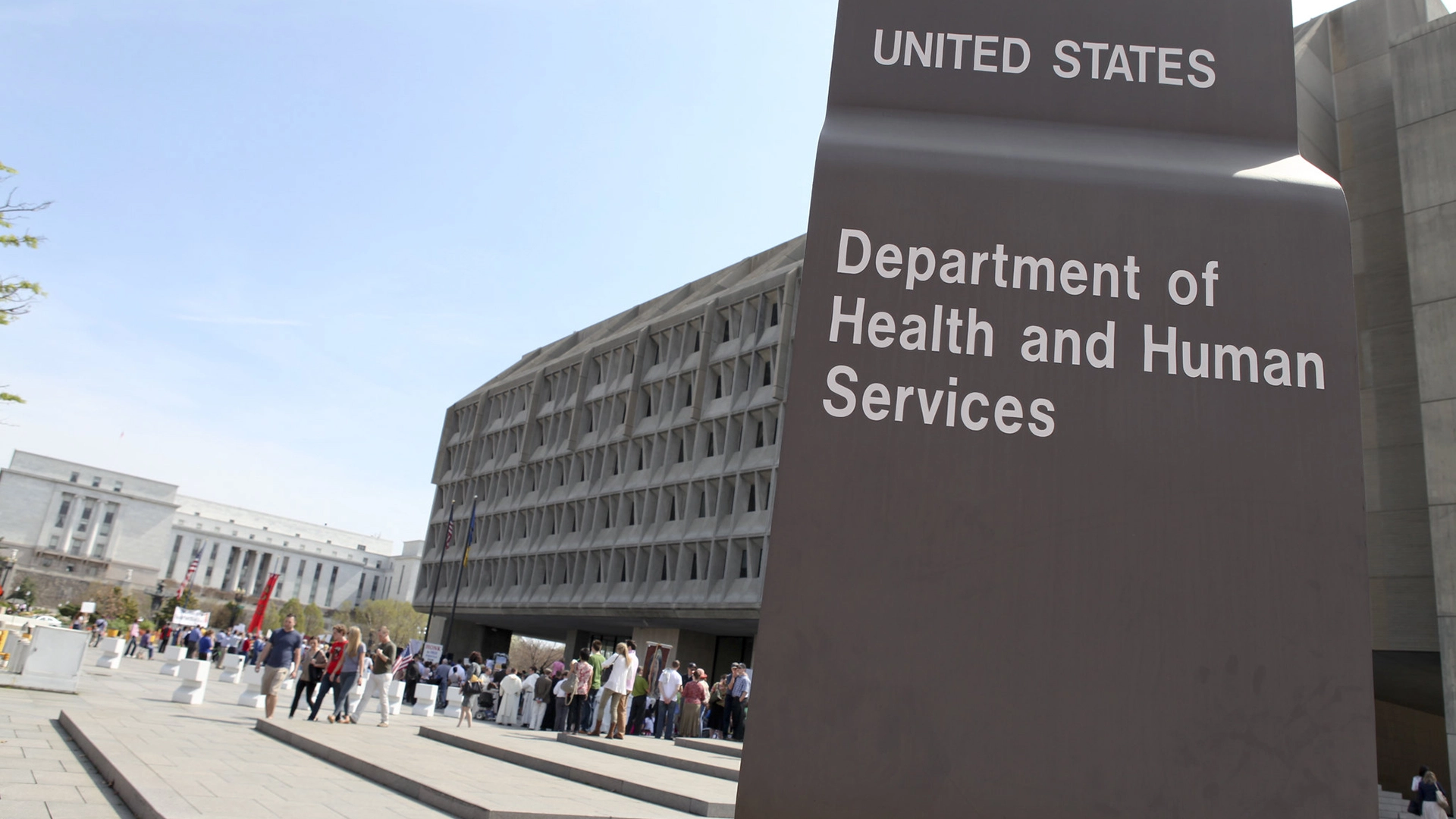
Image by American Life League, from Flickr
Massive HHS IT Cuts Leave US Health Data at Risk, Workers Say
- Written by Kiara Fabbri Former Tech News Writer
- Fact-Checked by Sarah Frazier Former Content Manager
After slashing IT staff, HHS faces a cybersecurity crisis that could leave sensitive health data and critical systems exposed, workers urgently warn.
In a rush? Here are the quick facts:
- Core cybersecurity contracts risk expiring without staff to renew them.
- CSIRC, HHS’s cyber nerve center, may lose funding and its facility.
- Remaining staff report chaos, delays, and no leadership direction from DOGE appointees.
The digital backbone of the United States health system is facing a critical threat, current and former Department of Health and Human Services (HHS) workers warn, as first reported by WIRED .
The elimination of hundreds of IT and cybersecurity personnel through a sweeping reduction in force (RIF) has resulted in the dismissal of essential staff who managed contracts and network protection, thus endangering vital health data and systems, according to WIRED.
“Pretty soon, within the next couple of weeks, everything regarding IT and cyber at the department will start to operationally reach a point of no return,” one former staffer who worked at HHS for over a decade said to WIRED.
WIRED reports that the Office of the Chief Information Officer (OCIO) suffered a disruption that impacted half of its operations, including the complete Immediate Office of the CIO, which managed essential cybersecurity contracts and renewals for more than 100 external contractors.
The security operations of the Computer Security Incident Response Center (CSIRC), which functions as HHS’s main cybersecurity center, were managed by numerous employees.
The loss of oversight raises concerns that cybersecurity contracts expiring in June won’t be renewed in time. “It is the department’s nerve center,” the source said, as reported to WIRED. “It has direct links to DHS, CISA, Defense Health Agency, and the intelligence community,” the source added.
WIRED argues that the pending departure of CIO Jennifer Wendel, combined with the lack of direction from incoming leadership, such as Clark Minor, a software engineer with no federal experience, adds to the instability. Sources say Minor has not issued any transition plans or guidance.
In the meantime, basic services are already falling apart. One staffer said travel systems have reverted to pre-2004 processes due to a lack of support, as reported by WIRED.
“If the US health system lost CMS, FDA, NIH, and CDC functionality indefinitely without warning… this would be an unprecedented systemic shock,” one OCIO worker said to WIRED.
Despite these concerns, HHS has denied the risks. “Essential operations at HHS, including contract management and cybersecurity oversight, remain staffed and functional,” a spokesperson told WIRED.
Still, current employees describe a leaderless environment: “This ship has no captain whatsoever, and I’m playing in the band while the Titanic sinks.”
