Image by Airam Dato-on, from Pexels
LinkedIn Using User Data To Train AI Models Without Clear Consent
- Written by Kiara Fabbri Former Tech News Writer
- Fact-Checked by Justyn Newman Former Lead Cybersecurity Editor
In a Rush? Here are the Quick Facts!
- LinkedIn used U.S. user data for AI without clear notice.
- An opt-out existed, but LinkedIn didn’t update its privacy policy initially.
- LinkedIn’s delayed update reflects growing global concerns about AI data use.
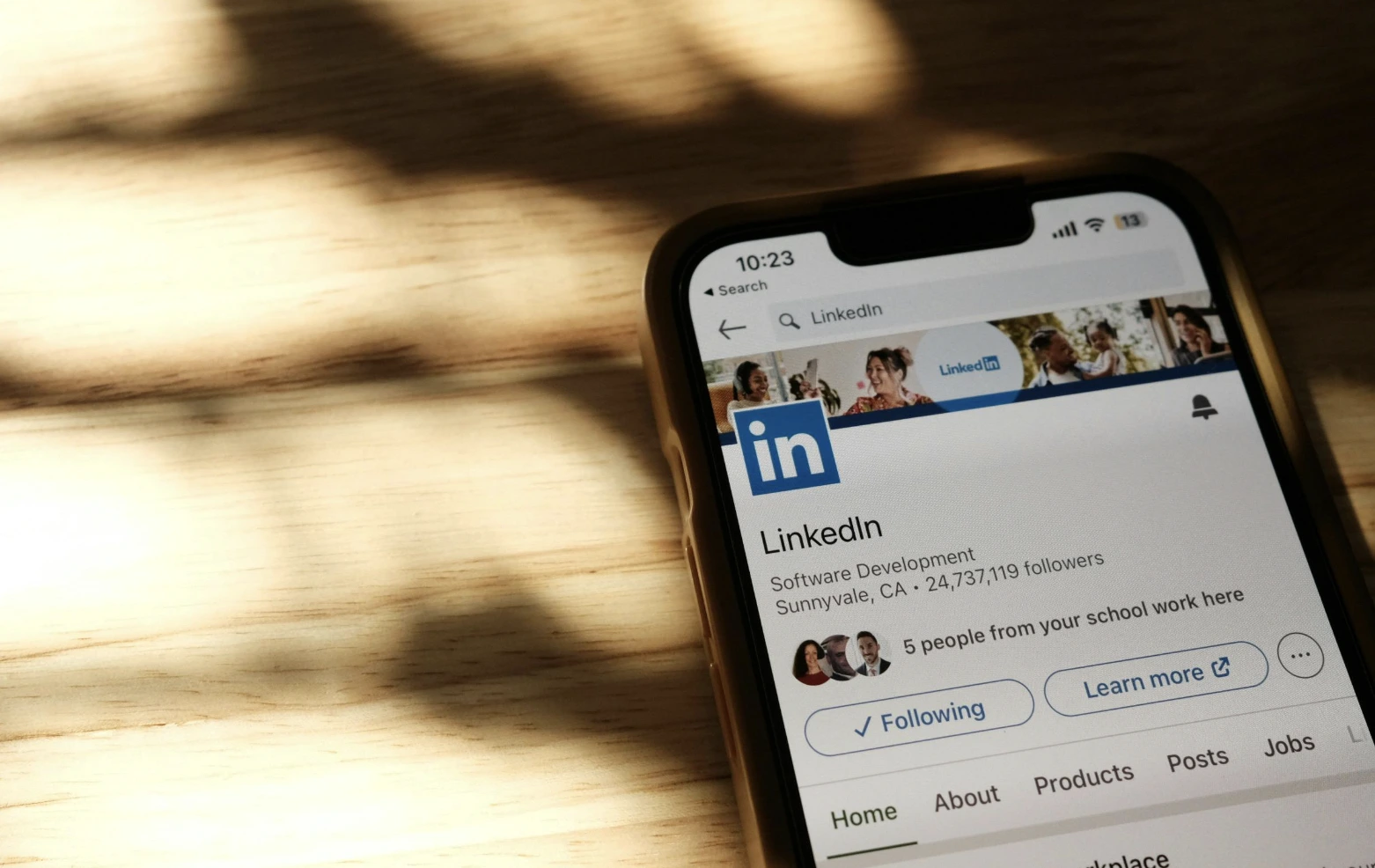
LinkedIn, the professional networking platform, has faced criticism for using user data to train its AI models without explicitly informing users beforehand.
LinkedIn users in the U.S. — but not those in the EU, EEA, or Switzerland, likely due to stricter data privacy laws — have an opt-out toggle in their settings that reveals LinkedIn collects personal data to train “content creation AI models.”
On a help page , LinkedIn explains that its generative AI models are used for tasks like writing assistant features.
Users can opt out of having their data used for AI training by navigating to the “Data for Generative AI Improvement” section under the Data privacy tab in their account settings.
Turning off the toggle will stop LinkedIn from using personal data for future AI model training, though it does not undo training that has already occurred.
This approach usually allows users to adjust their settings or leave the platform if they disagree with the changes. This time, however, that wasn’t the case.
This comes amid broader concerns about how personal data is processed by AI systems. Scrutiny over AI data practices is intensifying globally.
A recent study from MIT revealed that a growing number of websites are restricting the use of their data for AI training .
Additionally, The DPC recently concluded legal proceedings against X regarding its AI tool after the company agreed to comply with previous restrictions on using EU/EEA user data for AI training.
The incident underscores the increasing importance of transparency and user consent in the development of AI technologies.
As AI continues to advance, it is crucial for companies to be clear about their data practices and obtain explicit permission from users before utilizing their information for training purposes.
The incident also highlights the growing tensions between AI companies and data owners, as more and more organizations are demanding greater control over how their data is used.
Photo by Collabstr on Unsplash
YouTube Announces New Features at Annual Event
- Written by Andrea Miliani Former Tech News Expert
- Fact-Checked by Justyn Newman Former Lead Cybersecurity Editor
In a Rush? Here are the Quick Facts!
- YouTube developed a new community section and a hub for creators to build better engagement with their audience
- The new AI-powered features will allow creators to design backgrounds and easily translate their content to reach a wider audience
- New creators will get a boost with the new “hype” feature
YouTube announced multiple new features including AI-powered tools and redesigns for its platform this Wednesday during the annual event Made on YouTube in New York.
According to the press release shared by Google, creators can expect big changes regarding business and creative opportunities coming soon.
Veo, the text-to-video AI tool launched by Google earlier this year , is now joining the Shorts app to help creators generate short video clips and realistic backgrounds into Dream Screen, the AI image generation tool for Shorts.
A new button called “Hype” will allow YouTube users to promote videos that they believe are relevant and help small and medium size creators stand out in a weekly leaderboard to reach a larger audience. “Think of it as an extension of the like button — if you really love a video, you can click the like button, then ‘hype’ to help it reach a new leaderboard,” states the document.
YouTube will include a new Inspiration tab that will allow creatives to explore ideas and get content suggestions matching their style, and an enhanced dubbing option to translate videos into multiple languages to reach larger audiences.
And finally, Youtube announced a new design for their platform on television. The new visual style will allow creators to promote and organize their content as TV shows, with seasons and episodes for those who access their content through TV.
