Image by TechCrunch, from Flickr
Klarna CEO Pushes AI As A Replacement For All Human Jobs
- Written by Kiara Fabbri Former Tech News Writer
- Fact-Checked by Justyn Newman Former Lead Cybersecurity Editor
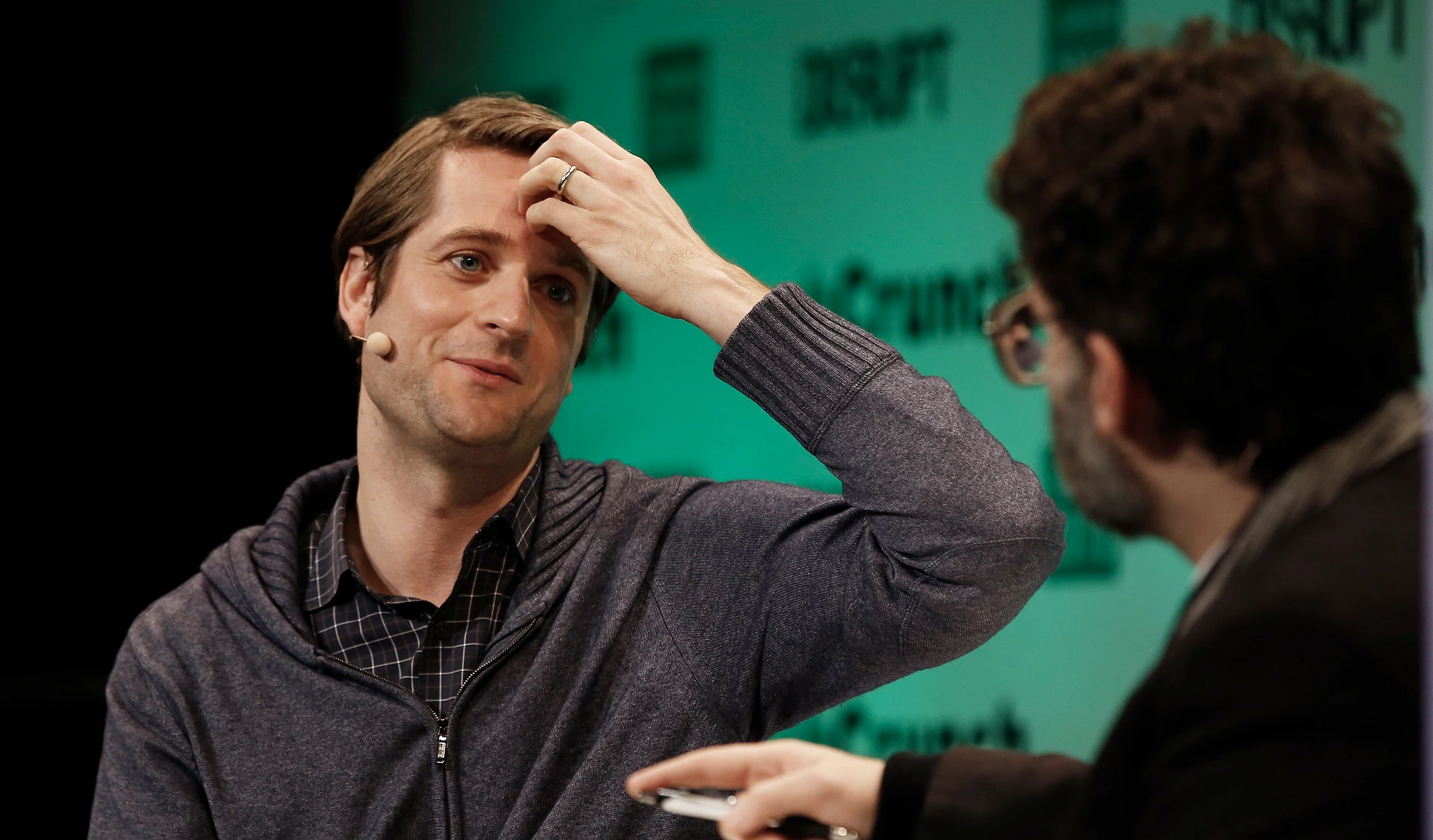
Klarna CEO Sebastian Siemiatkowski has been outspoken about the transformative impact of AI on business, particularly in automating tasks traditionally handled by humans.
In a Rush? Here are the Quick Facts!
- Klarna saves $10 million annually by automating marketing and customer service.
- AI chatbot replaced 700 customer service agents, resolving cases faster than humans.
- Klarna’s workforce, previously 5,000, expected to shrink to 2,000 due to AI.
While many executives express more cautious optimism about AI’s potential to free up workers for higher-value tasks, Siemiatkowski has taken a bolder stance, suggesting that AI is capable of doing all the jobs that humans currently perform, as noted in a report by The New York Times .
In 2023, Siemiatkowski told Bloomberg that AI has allowed Klarna to save significant amounts, including an estimated $10 million annually by automating its marketing and customer service operations.
Klarna’s AI-powered chatbot has taken over the work of 700 customer service agents, resolving cases on average nine minutes faster than human agents, as reported by The Times.
Siemiatkowski’s commitment to AI extends to even more surprising areas, such as having an AI version of himself announce the company’s third-quarter results in 2023, signaling that no role is immune to automation.
Despite this, he does not buy into the common narrative that AI will simply enable workers to focus on more engaging tasks. In a podcast interview, he expressed skepticism about the prospect of AI creating new job opportunities for those displaced, particularly referencing professional translators whose work is being replaced by AI, as noted by The Times.
As of September 2023, Klarna had ceased hiring, with Siemiatkowski suggesting that the company’s workforce, which had been around 5,000, would eventually shrink to about 2,000 as a result of AI adoption, reported the Times.
This reduction has drawn attention, especially given Klarna’s significant shift in operations. While the company did continue hiring for essential roles, such as engineering positions, it was clear that automation was taking precedence.
Siemiatkowski’s perspective on AI and automation has sparked some controversy. For example, when Klarna announced its use of AI to reduce the need for photographers, the reaction online was notably negative, reported The Times.
His candidness about AI’s impact on jobs contrasts with more conventional corporate narratives, which tend to emphasize AI’s ability to augment human work rather than replace it.
The CEO’s bold claims may stem from a desire to rebuild Klarna’s image after its valuation dropped dramatically in 2022. Once a darling of Silicon Valley, Klarna had seen its market valuation plummet from $45.6 billion in 2021 to just $6.7 billion, as reported by The Times.
In response, Siemiatkowski has pushed Klarna’s AI narrative aggressively, seeking to capture the attention of investors and the media. Indeed, Siemiatkowski’s hiring claims may have been exaggerated, says The Times.
TechCrunch found over 50 job openings at Klarna, more than a year after the hiring freeze was announced. In other words, his promotion of AI ppears to be as much about the company’s image as it is about the technology itself.
Image Tim Reckmann, from Flickr
Italy Blocks DeepSeek Chatbot Over Privacy Concerns
- Written by Kiara Fabbri Former Tech News Writer
- Fact-Checked by Justyn Newman Former Lead Cybersecurity Editor
Italy’s data protection authority, the Garante , has ordered the Chinese artificial intelligence startup DeepSeek to block its chatbot in the country due to unresolved privacy concerns.
In a Rush? Here are the Quick Facts!
- Italy’s Garante blocked DeepSeek’s chatbot over unresolved privacy concerns.
- DeepSeek failed to provide sufficient details on its data collection practices.
- DeepSeek’s ban comes amid a surge in its app downloads.
The decision, announced on Thursday, follows the company’s failure to provide satisfactory responses regarding its handling of personal data , according to Reuters .
Earlier this week, the Garante demanded that DeepSeek disclose details about its data collection practices, The Record reported.
The regulator sought information on what personal data the company collects, its sources, intended use, and whether it is stored on Chinese servers. It also requested clarification on the legal basis for gathering such data.
However, the information provided was deemed “totally insufficient,” prompting the enforcement order. DeepSeek has not yet issued a statement in response to the ban, Reuters reported.
The Hacker News highlighted that this is not the first time Italy’s data watchdog has taken action against an AI chatbot. In 2023, the Garante temporarily banned OpenAI’s ChatGPT over similar data privacy concerns.
The restriction was lifted in late April after OpenAI addressed the regulator’s demands, but the company was later fined €15 million for its handling of personal data.
The ban on DeepSeek comes amid a surge in the chatbot’s popularity, with millions of users propelling its mobile apps to the top of download charts.
