
Image by Gabrielle Henderson, from Unsplash
Instagram Tests AI Age Verification For Teen Accounts
- Written by Kiara Fabbri Former Tech News Writer
- Fact-Checked by Sarah Frazier Former Content Manager
Instagram is testing AI to check ages, automatically setting teen accounts to private and restricting content to ensure safer use for kids
In a rush? Here are the quick facts:
- Teen accounts automatically set to private with restricted messaging and content.
- AI uses signals like content interaction and account creation date to determine age.
- Teen accounts will receive notifications after 60 minutes of use.
Instagram is starting to test a new way to use artificial intelligence to check if kids are lying about their age on the platform, Meta Platforms announced on Monday, as reported by the AP .
Meta has been using AI to determine people’s ages for a while, but Instagram is taking it to the next level, as reported by the AP. The app will “proactively” look for accounts that seem to belong to teens even if they entered a false birth date when signing up. If Instagram’s AI detects that an account likely belongs to a teenager, it will automatically change the account to a “ teen account .”
The AP notes that Teen accounts come with extra restrictions. For example, they are set to private by default, and teens can only receive private messages from people they already follow. Content like videos of fights or those promoting cosmetic surgery will be limited for teen users.
Instagram will also alert teens when they’ve been on the app for more than an hour and will activate a “sleep mode” that turns off notifications and sends auto-replies to messages from 10 p.m. to 7 a.m.
The AP reports that Meta trains its AI to look at various signals to determine a user’s age. These signals include the kind of content a user interacts with, their profile details, and when the account was created.
The company believes app stores should be responsible for checking ages, especially amid criticism that social media platforms don’t do enough to protect children or prevent kids under 13 from using their services.
To further support parents, Instagram will also send notifications to alert them about how they can talk to their teens about providing the correct age online.
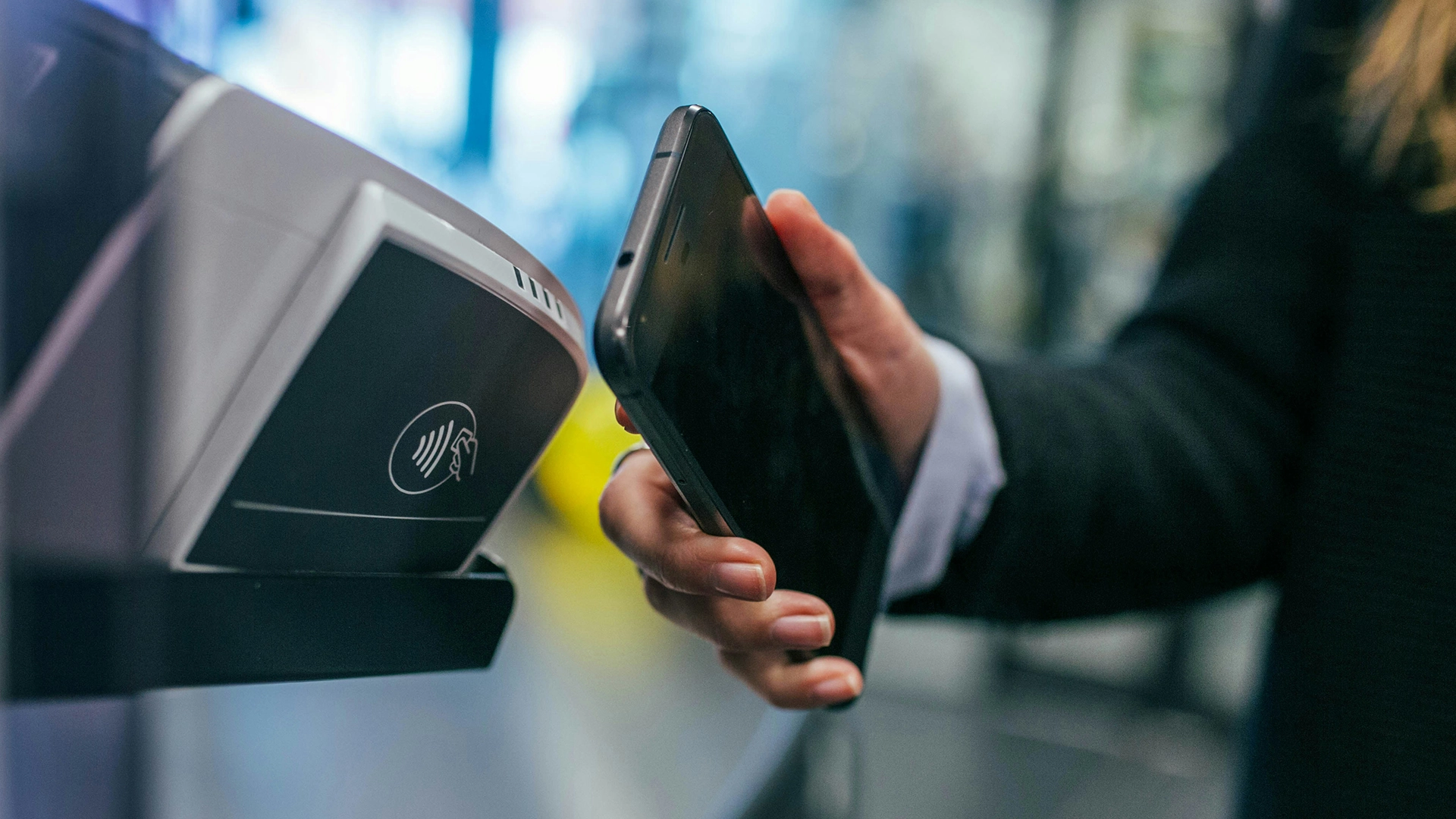
Image by Jonas Leupe, from Unsplash
New Android Malware Lets Hackers Steal Your Card With A Tap
- Written by Kiara Fabbri Former Tech News Writer
- Fact-Checked by Sarah Frazier Former Content Manager
SuperCard X malware targets Android phones in Italy, using NFC relay and fake banking apps to instantly steal and misuse credit card data.
In a rush? Here are the quick facts:
- Victims are tricked via fake bank messages sent through SMS or WhatsApp.
- Malware hides in a fake app posing as a bank security tool.
- Card data is transmitted in real time to attackers’ second device.
Cybersecurity researchers at Cleafy have uncovered a new Android malware called SuperCard X revealing how scammers can steal card information and perform immediate cash withdrawals through Android devices. The sophisticated scam exploits Near-Field Communication (NFC) technology which most people use daily without awareness of its potential risks.
The malware operates through a Malware-as-a-Service (MaaS) model which enables instant contactless fraud attacks through victims’ phones in Italy.
The wireless technology NFC enables devices to exchange information through short-range connections which typically span only a few centimeters. The technology enables contactless payments through simple card or phone taps at stores. But attackers are now using NFC to pull off something called a relay attack.
In a relay attack, scammers trick victims into installing a malicious app—SuperCard X—on their phone. Once installed, this app silently captures payment card data when the user taps their card against their phone, thinking it’s for a legit reason.
That data is then instantly sent to another device controlled by the scammers, who use it to make unauthorized purchases or ATM withdrawals somewhere else.
The newly discovered attack starts with a scam message which reaches users through SMS or WhatsApp to warn them about fake suspicious payments. The warning messages force victims to contact a phony bank support hotline. The scammers lead victims through multiple phone instructions which ultimately lead to the theft of their card information.
First, they convince the victim to reveal their card PIN, remove spending limits from their card, and download an app disguised as a bank security tool. This app hides the SuperCard X malware, which silently captures the victim’s card data via NFC when the user brings their physical card near the infected phone.
The attackers transmit the stolen data through an instant process to their second device. The attackers use this information to perform unauthorized contactless payments and ATM withdrawals. The attackers focus on the card itself instead of the bank, Cleafy researchers observed that this attack works regardless of the financial institution involved.
This method allows criminals to commit fraud in real time, making it harder for banks to detect or stop the activity before money is withdrawn or spent.
SuperCard X uses two apps: “Reader” to capture card data and “Tapper” to perform the fake transaction. Both apps connect through a central server run by the malware developers. According to Cleafy, the malware is based on previously known tools and shares similarities with NGate , another Android threat identified in 2024.
Because of its minimalist design, SuperCard X is currently hard for antivirus software to detect. “This creates a dual benefit for the fraudster: the rapid movement of stolen funds and the immediate usability of the fraudulent transaction,” the report warned.
Cleafy advises banks and payment companies to stay alert, as similar scams may be running in other countries.
