Image from Freepik
Instagram Launches New Features to Combat Teen Sextortion Scams
- Written by Kiara Fabbri Former Tech News Writer
- Fact-Checked by Justyn Newman Former Lead Cybersecurity Editor
In a Rush? Here are the Quick Facts!
- Screenshotting disappearing images in DMs will soon be blocked.
- Accounts showing scammy behavior will face stricter follow request limitations.
- Nudity protection will blur explicit images sent in direct messages.
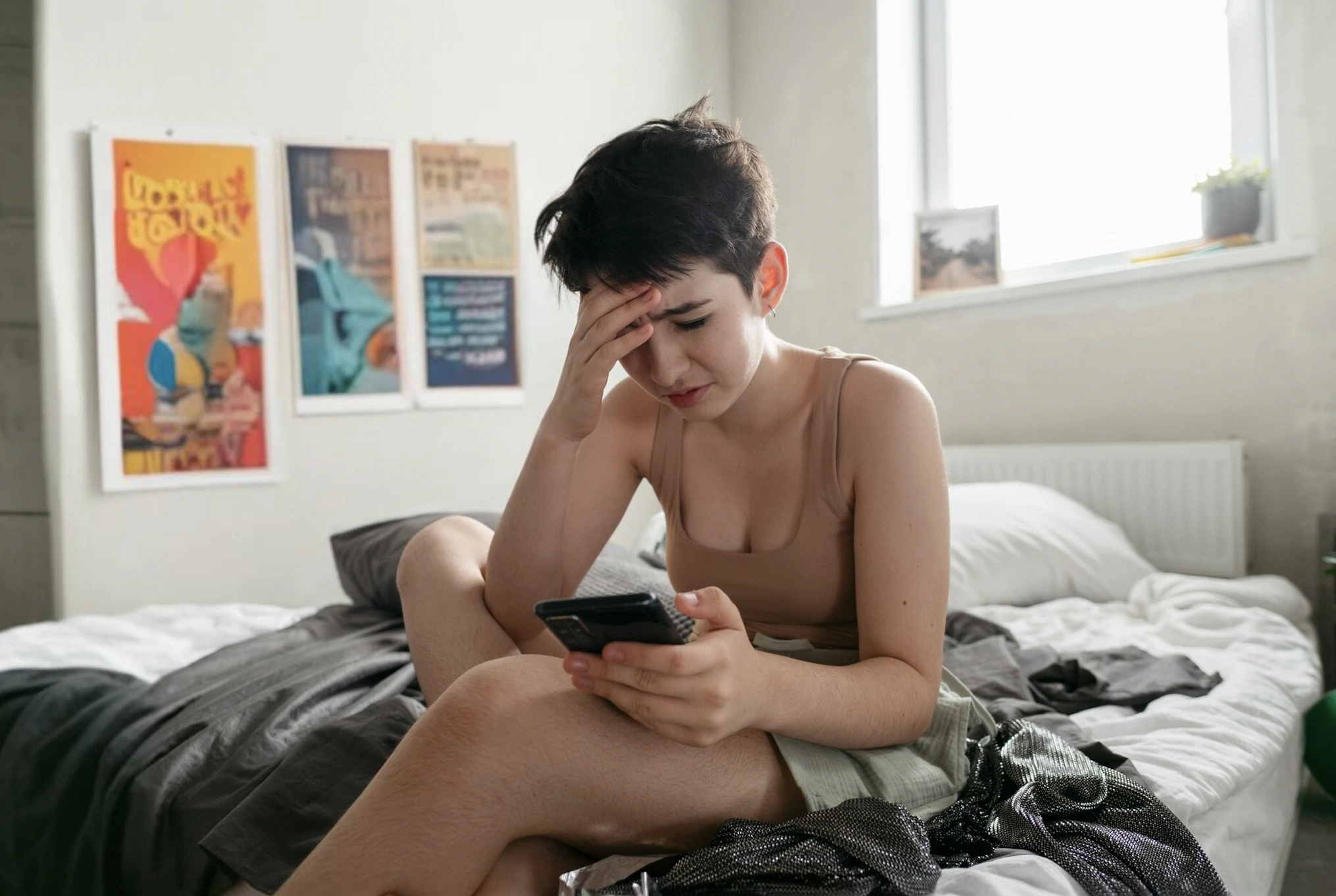
Instagram announced yesterday the rollout of new safety features aimed at protecting teens from sextortion scams, a form of online blackmail where scammers threaten to release intimate images unless the victim provides more photos or pays a ransom.
These features are designed to address the increasing threat to young users who are often manipulated into sharing explicit content. These initiatives follow Instagram’s test in April .
Sextortion typically involves coercing victims into sending sexually explicit images or videos, which are then used as leverage for further demands. According to Instagram, scammers often mislead teens about their location to build trust, tricking them into sharing sensitive content.
To combat this, Instagram will soon test new safety notices in its direct messages and Messenger apps, informing teens if they are chatting with someone who may be located in a different country, reported NCJA .
One of the upcoming guardrails will prevent users from screenshotting or screen recording disappearing images or videos sent in private messages. If the sender enables replays, the platform will also block the recipient from opening them via the web.
However, Instagram acknowledges that these measures won’t stop scammers from using other devices to capture the images, as noted by TechCrunch .
These initiatives follow Instagram’s introduction of Teen Accounts , which offer built-in protections to limit who can contact underage users, the type of content they see, and how much time they spend online.
Teens under 16 are now restricted from changing certain account settings without parental approval. The platform also limits who can message teens, ensuring they can only receive direct messages from people they follow. Further restrictions will soon prevent accounts that show signs of suspicious behavior from even requesting to follow teens.
In addition, Instagram is testing tools to block scammers from viewing follower lists, which are often used by sextortionists to blackmail teens. Scammers will also lose access to other features, such as viewing tagged accounts and photos, reducing their ability to exploit teens.
With the global rollout of nudity protection in direct messages, Instagram aims to blur any images flagged as containing nudity by default for users under 18.
By increasing safeguards for teen users, Instagram hopes to offer a safer online experience and limit the tactics scammers use to manipulate and exploit young people.
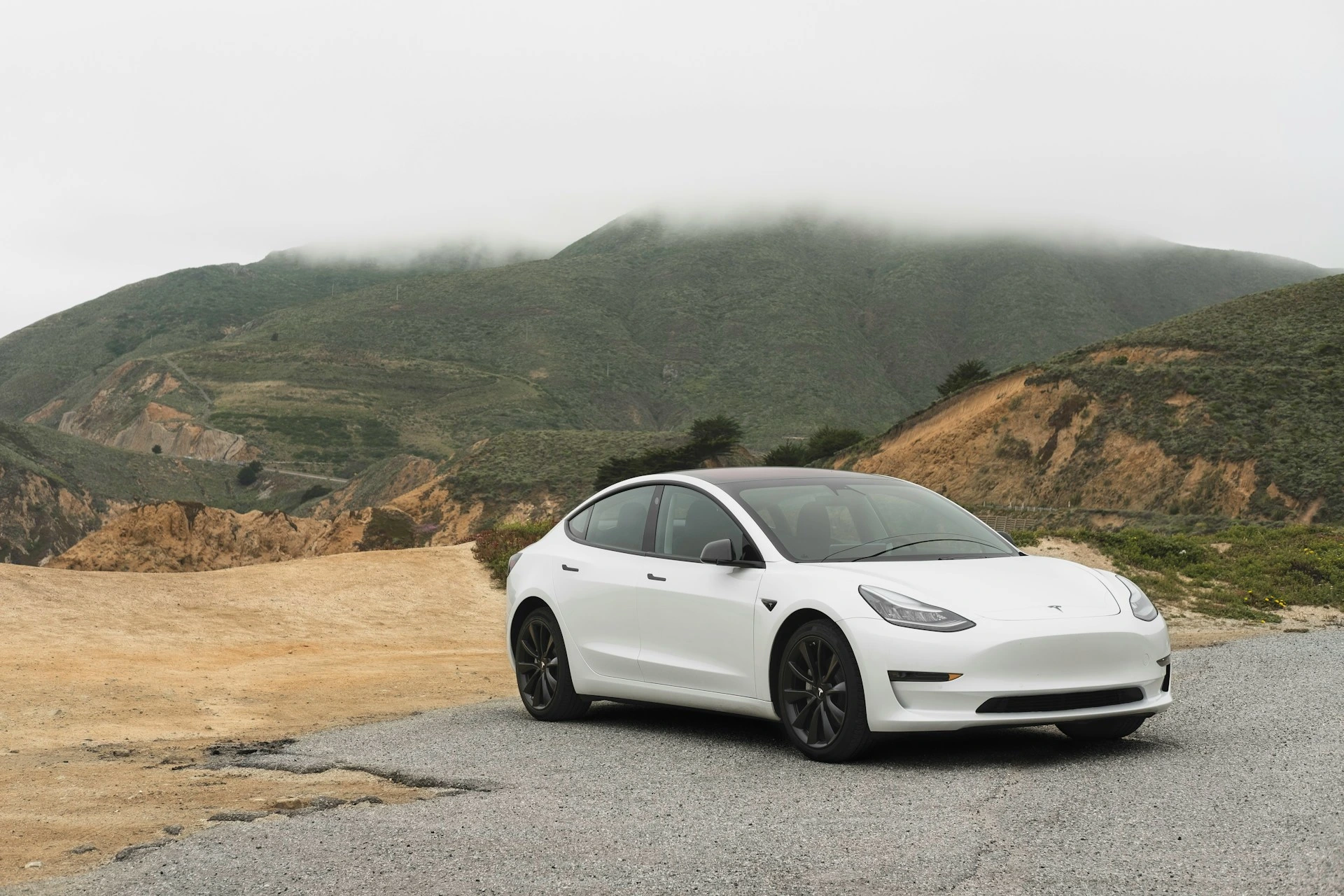
Photo by Charlie Deets on Unsplash
U.S. Auto Safety Regulator Investigates Tesla’s Self-Driving System
- Written by Andrea Miliani Former Tech News Expert
- Fact-Checked by Justyn Newman Former Lead Cybersecurity Editor
In a Rush? Here are the Quick Facts!
- The U.S. federal auto safety regulation will investigate Tesla’s self-driving software after 4 accidents were reported, including a fatal crash
- Around 2.4 million cars will be included in the probe
- The agency expects to determine if the system has flaws in reduced visibility conditions
The National Highway Traffic Safety Administration (NHTSA) announced this Friday that it will investigate Tesla’s self-driving software after four crashes related to the company’s technology—including one in which a person died—were reported.
“In these crashes, the reduced roadway visibility arose from conditions such as sun glare, fog, or airborne dust,” states the official report shared by the federal auto safety regulator. “In one of the crashes, the Tesla vehicle fatally struck a pedestrian. One additional crash in these conditions involved a reported injury.
According to Reuters , the NHTSA will investigate 2.4 million cars that include the self-driving system, covering X vehicles with the optional system, 2016-2024 Model S, 2020-2024 Model Y, 2017-2024 Model 3, and 2023-2024 Cybertruck.
During the evaluation to determine whether or not Tesla’s vehicles represent a safety risk, the agency will investigate the engineering controls of the “Full Self-Driving (Supervised)” software to detect reduced visibility conditions and respond accordingly if other crashes have occurred under similar reduced visibility conditions, as well as recent updates that may have affected the vehicles’ performance.
Recent studies have proven that weather conditions can result in more accidents with self-driving systems compared to human drivers . According to the New York Times , “Tesla’s self-driving software depends on cameras to operate, unlike other manufacturers who also use radar or laser technology that are often better at detecting objects and people when the view is obscured by poor weather or bright sunshine.”
Tesla hasn’t shared any official announcement in response to the federal auto safety regulator’s investigation.
Last week, Tesla announced a new robotaxi model called CyberCab and a new larger autonomous vehicle, the Robovan.
