
Image courtesy of Human Mobile Devices
HMD and Mattel Launch New Barbie Flip Phone to Combat Phone Addiction
- Written by Andrea Miliani Former Tech News Expert
- Fact-Checked by
Human Mobile Devices (HMD) and Mattel launched a new flip phone, the HMD Barbie Phone, in the United Kingdom and Europe this Wednesday. The pink device, soon available for the U.S. market, includes limited features like phone calls, texting, and restricted Internet access.
The new mobile was created considering the new trend of replacing smartphones with older phone models to reduce screen time . The digital detox movement among GenZ has been part of the companies’ market research. The press release acknowledges that, according to recent studies, in-person encounters have been prioritized over online communication over the past few years.
“In our fast-paced digital world, it can often feel like the online buzz never stops. This phone encourages you to ditch your smartphone in times when you just want less browsing and more fun, all with the help of a true cultural icon, Barbie,” said Lars Silberbauer, Global Chief Marketing Officer at Human Mobile Devices. “We cannot wait for people to get their hands on the device and take a holiday from their smartphone.”
The HMD Barbie Phone has a mirror on the front, a 0.3MP camera, two alternative cases, a beaded strap, stickers, and decoration items inside a fashionable box. When users turn on the phone, a ‘Hi Barbie!’ sound greets them in Ken’s voice, and the battery is expected to last up to 9 hours.
The flip phone is already on sale for £99.99 in the UK and 129 euros in the rest of Europe. According to the BBC , the price is double that of traditional Nokia models. However, phone expert Ben Wood told the broadcasting company that many would feel tempted to buy it and that “dumbphones” are getting more attention. 400,000 are expected to be sold this year.
Experts believe that buying these non-smart devices is not the solution and that instead, we should work on building healthier relationships with our phones.
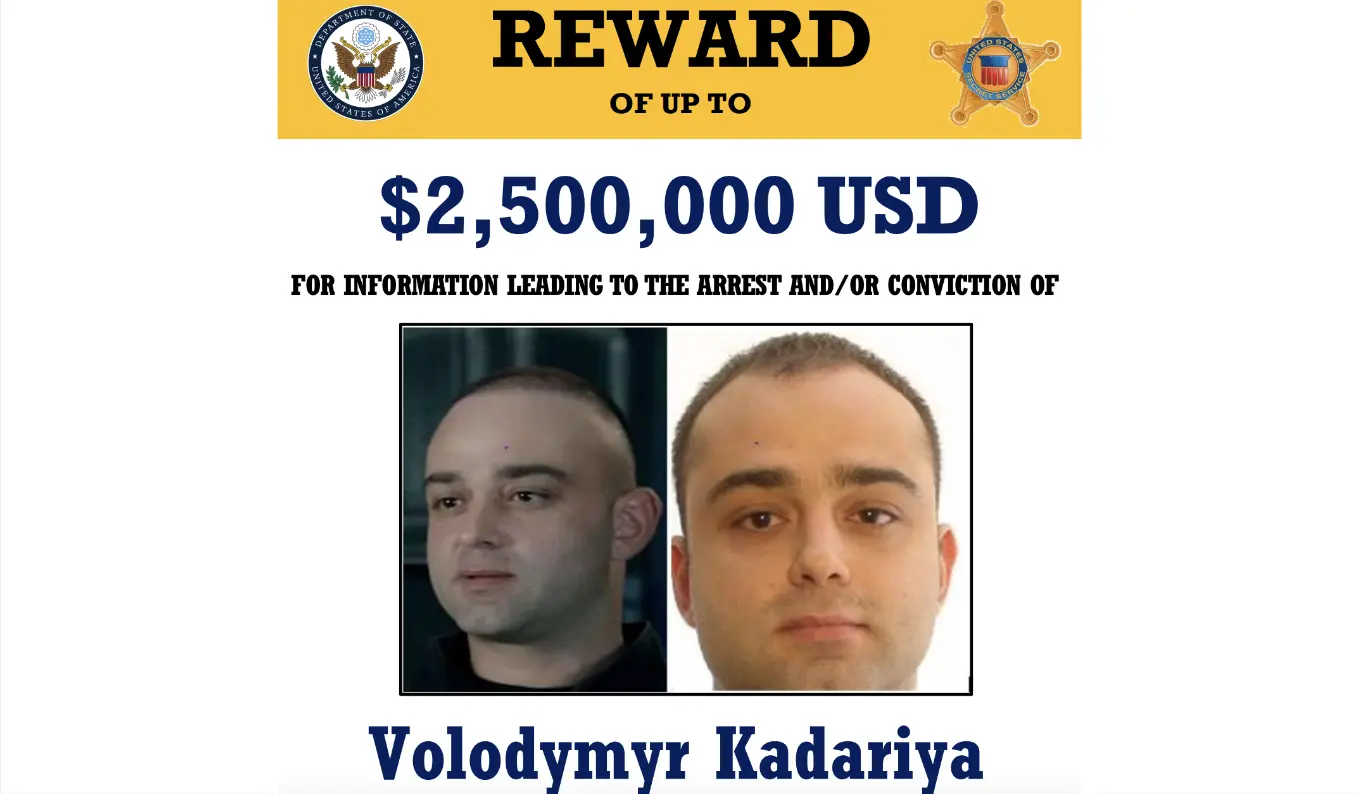
Screenshots from the U.S. Secret Service Reward Posters
U.S. Offers $2.5 Million Reward for Hacker Behind Massive Global Cybercrime Operation
- Written by Kiara Fabbri Former Tech News Writer
- Fact-Checked by Justyn Newman Former Lead Cybersecurity Editor
The U.S. State Department announced on Monday a reward of up to $2.5 million for information leading to the arrest or conviction of Belarusian hacker Volodymyr Kadariya .
According to the indictment , Kadariya is accused of orchestrating a cybercrime operation that involved deploying the Angler Exploit Kit(AEK), various other malware, and online scams to millions of unsuspecting internet users from October 2013 to March 2022.
These attacks were executed through “malvertising.” In this method, online ads appeared legitimate but secretly redirected users to malicious websites and servers. According to the indictment, these sites either defrauded users or infected their devices with malware.
The AEK was one of the primary tools used to compromise these electronic devices, according to the indictment.
In addition, the indictment states that Kadariya and his co-conspirators allegedly distributed “scareware” ads that falsely claimed to have detected viruses or other issues on a user’s device. These ads aimed to trick users into buying or downloading harmful software, granting remote access to their devices, or revealing personal and financial information.
To profit from their extensive hacking and fraud schemes, Kadariya and his associates reportedly sold access to compromised devices, known as “loads” or “bots,” on Russian cybercrime forums.
The indictment also state that Kadariya and his associates sold stolen information, such as banking details and login credentials, recorded in “logs,” enabling further fraud or the distribution of additional malware to the victims’ devices.
At its peak, Angler represented 40% of all exploit kit infections, targeting around 100,000 devices and generating an estimated annual turnover of around $34 million, according to the British National Crime Agency .
This reward is offered under the Transnational Organized Crime Rewards Program , and reflects the U.S. government’s concern about the increasing threat of cybercrime.
