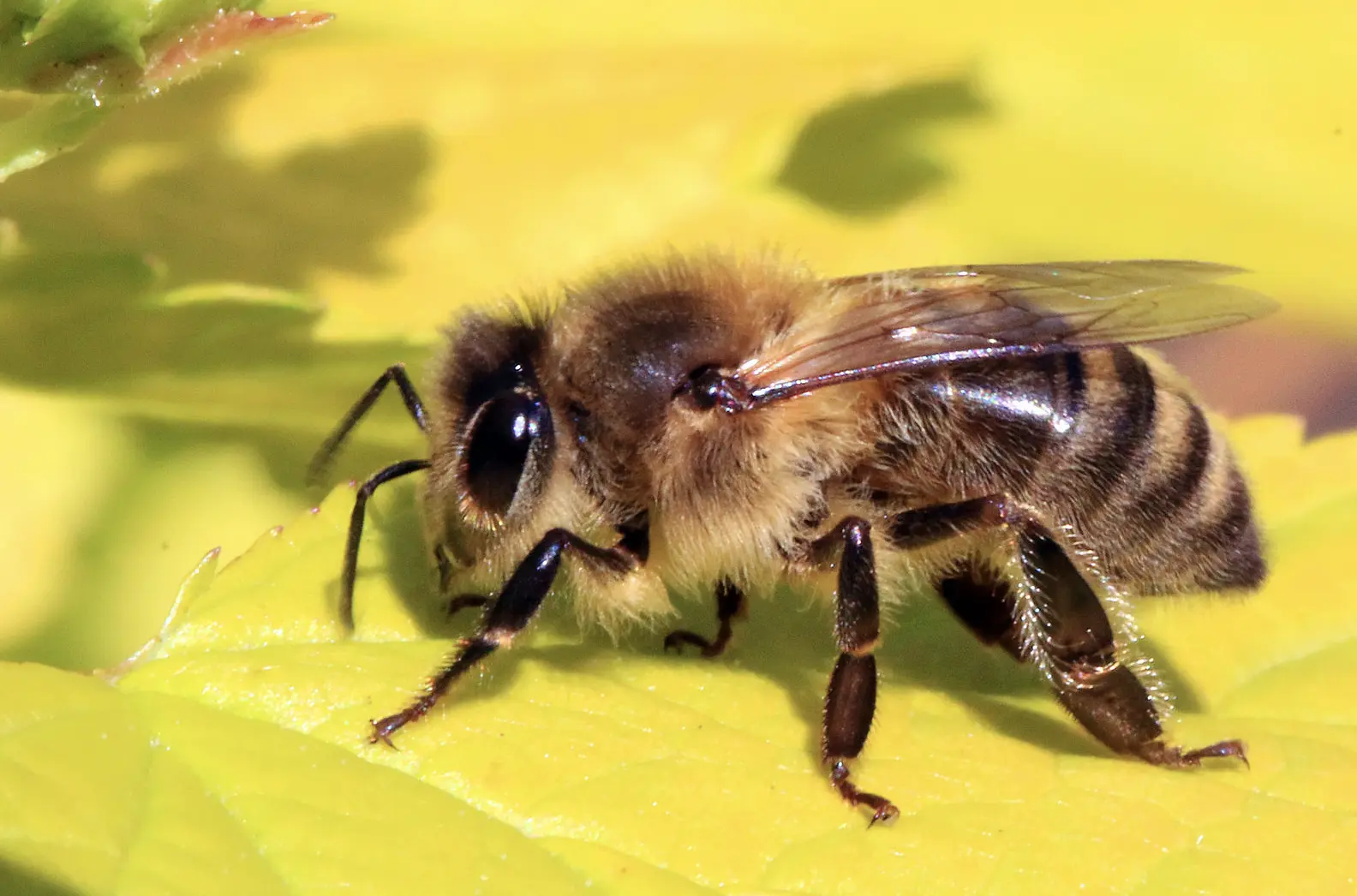
Image by Charles J. Sharp, from Wikimedia Commons
High-Tech Hives And Dancing Robots To Help Save Honeybees
- Written by Kiara Fabbri Former Tech News Writer
- Fact-Checked by Justyn Newman Former Lead Cybersecurity Editor
EU-funded scientists are developing innovative solutions to protect declining bee populations. These include smart hives and robotic bees designed to improve bee health and assist beekeepers. These initiatives were featured yesterday in Horizon Magazine .
Honeybees are vital for pollinating crops and wild plants, but their populations are declining due to threats like climate change and pesticides. Researchers are looking for technological solutions to help bees thrive.
One project, called B-GOOD , has developed a “digital comb” – a sensor-equipped circuit board that bees build their combs around. This device monitors vital hive data like weight and temperature, allowing beekeepers to remotely track hive health and receive instant alerts when issues arise.
Professor Dirk de Graaf, who leads the B-GOOD project, said, “Using our technology, we can now identify colonies that need intervention. This is then communicated to the beekeepers via tailored alerts with specific instructions.”
Additionally, as reported in Horizon Magazine, the project also developed maps and virtual landscapes to help beekeepers find ideal beekeeping locations.
“This works a bit like a flight simulator, but for beekeepers,” notes de Graaf in a European Commission brief . “In this virtual online landscape, modelers can position a virtual colony in a certain location and see how the bees are likely to respond to the environment.”
Another project, HIVEOPOLIS has created a similar digital comb with an additional feature: heating elements. Professor Thomas Schmickl, who leads the research, explains how this can help bees survive winter.
“A lot of honeybee colonies die in the winter,” he said. “They need honey to survive, but sometimes these stores are out of reach, so bees die from cold trying to reach them.”
“This is the first time we can change the temperature from inside the comb, directly sending the command over the internet. No one has ever done that before,” he said.
HIVEOPOLIS is also exploring the use of robotic “dancing bees” inspired by the waggle dance honeybees use to communicate food source locations to each other.
Dr. Tim Landgraf, a leading expert in artificial and collective intelligence from Freie Universität Berlin, has been at the forefront of developing robotic bee technology. His previous work on RoboBee demonstrated that real bees can follow the lead of a robotic dance partner.
Building on this success, the HIVEOPOLIS project is exploring bee communication further by translating their dances into map coordinates. Dance robots will guide foraging bees to optimal pollen sources while deterring them from harmful locations, such as pesticide-contaminated flowers or Varroa-infested hives.
These technologies are set to revolutionize beekeeping. Ultimately, a healthier bee population means a healthier environment for everyone.
While the prototypes are promising, larger-scale adoption and commercialization are needed. Researchers are working with beekeeping organizations to promote these technologies.
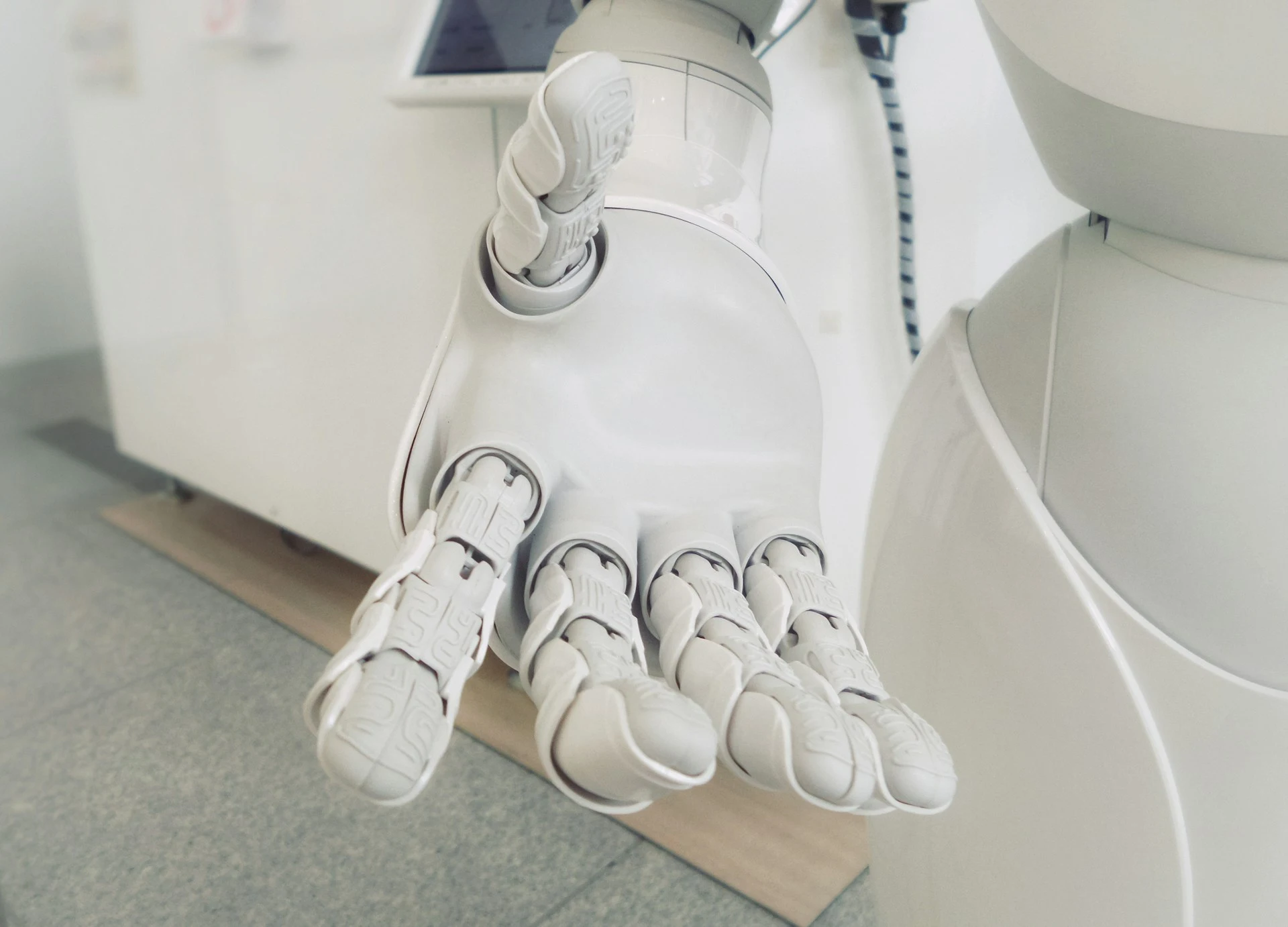
Photo by Possessed Photography on Unsplash
Tesla Hiring Humans to Wear Motion Suits for Optimus Robot Training
- Written by Andrea Miliani Former Tech News Expert
- Fact-Checked by
The American automotive company Tesla is hiring new workers to wear a motion-capture suit and help train the company’s new humanoid robots. According to the job offer , which is published on the company’s website, the full-time position pays from $25.25 to $48.00 per hour.
A few weeks ago, Tesla announced that it would build and use more humanoid robots , called Optimus, in its facilities and even sell them to other companies by 2026.
For the new job position, the company requires a minimum and maximum height between 5’7″ and 5’11″—1.70 to 1.80 meters—and the person must be willing to walk and wear the 30 lbs—13.6 kilograms—motion capture suit for over 7 hours a day.
Those interested need to consider motion sickness, as wearing the equipment might cause disorientation and VR sickness symptoms. Tesla has promised multiple benefits including health and dental care plans, 401(k), sick and vacation time, and cash and stock awards.
A few months ago Tesla shared on X a video showcasing its Optimus robot and its motion qualities.
Trying to be useful lately! pic.twitter.com/TlPF9YB61W — Tesla Optimus (@Tesla_Optimus) May 5, 2024
According to Fortune , Tesla is improving and investing in this technology to increase the company’s valuation to $25 trillion, about 36 times its current valuation. Elon Musk has been very optimistic and enthusiastic about the new Optimus generations and its potential for the business. However, the competition is already peaking as other companies are also developing advanced humanoid robots, and the research and construction can be very expensive—with no guarantee of success.
