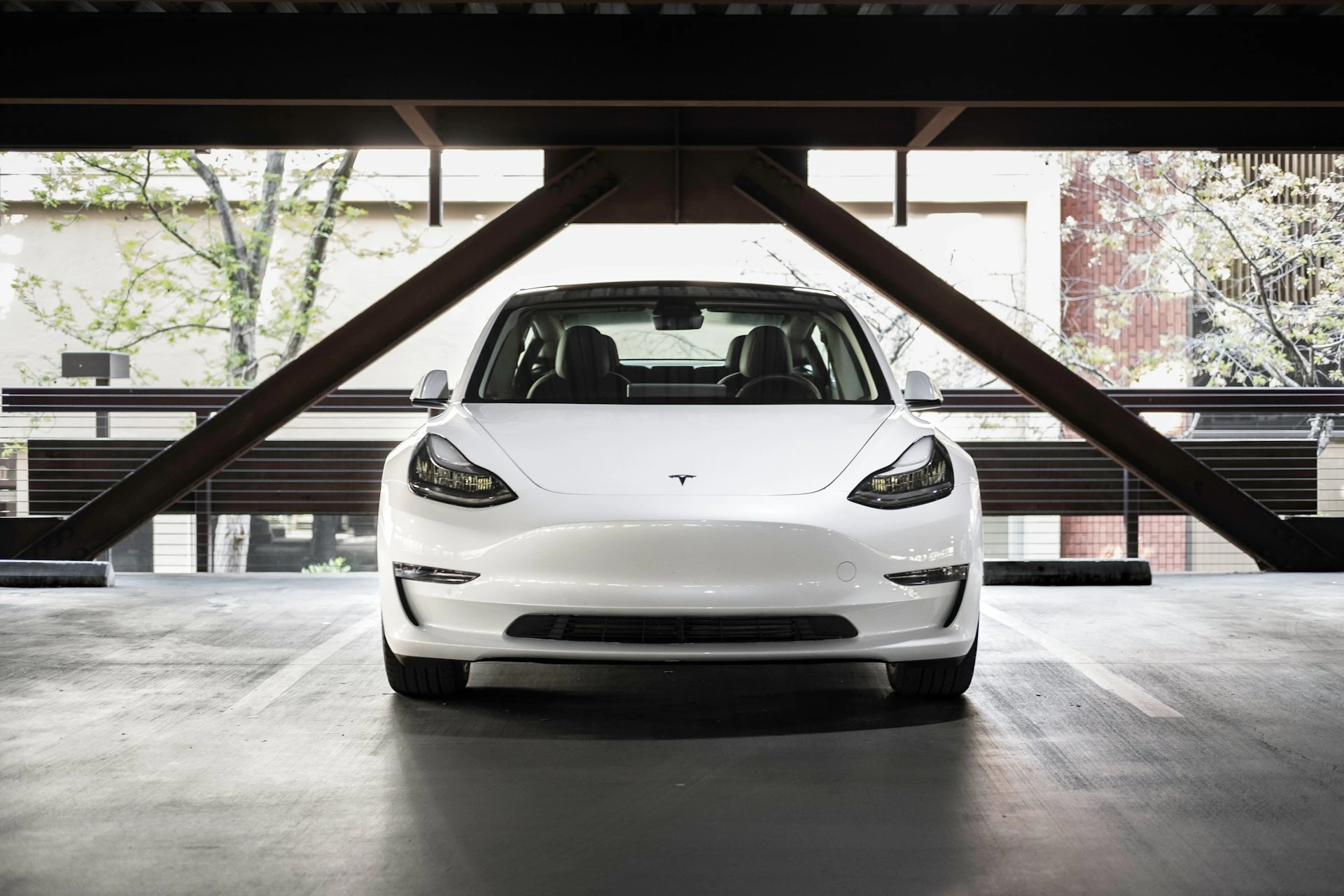
Photo by Charlie Deets on Unsplash
Hertz Offers EV Rentals To Customers At Discounted Prices In The U.S.
- Written by Andrea Miliani Former Tech News Expert
- Fact-Checked by Justyn Newman Former Lead Cybersecurity Editor
The rental company Hertz has offered EV renters the possibility to buy the vehicles directly from them at a special price. Users on Reddit have been sharing the offers for vehicles such as Tesla, Polestars, and Chevy Bolts.
In a Rush? Here are the Quick Facts!
- Hertz has been offering its customers the possibility to buy the electric vehicle they rented at a discounted price.
- The rental company said it’s a normal marketing strategy, but users on social media believe the company is removing the cars from their inventory.
- A driver got offered a Tesla Model 3 with around 30,00 miles for $17,913 when the new model used to cost $40,000.
According to The Verge , this is not a new strategy and Hertz has been scaling down its ambitious plan of electrifying its fleet—by ordering 100,000 Teslas in 2021—as the demand hasn’t been as high as expected.
“By connecting our rental customers who opt into our emails to our sales channels, we’re not only building awareness of the fact that we sell cars but also offering a unique opportunity to someone who may be in the market for the same car they have on rent,” said Jamie Line, Hertz’s communications director to The Verge.
The special discounts for renters went viral on Reddit , where users shared screen captures and the messages they received from Hertz to purchase the cars they were driving, including Teslas, Chevy Bolts, and Polestars.
A driver got a special offer of a Tesla Model 3 from 2023 for $17,913 with less than 30,000 miles. Many users were impressed by the price, as a new model used to cost around $40,000 — it has been discontinued. “That’s a pretty cheap car… what’s wrong with it?” wrote a user. “They are slowly getting rid of them, and this is how,” added another.
The EV industry has been facing multiple challenges, and large automakers have been making big business decisions recently. A few days ago, GM abruptly shut down its robotaxi program Cruise in the United States.
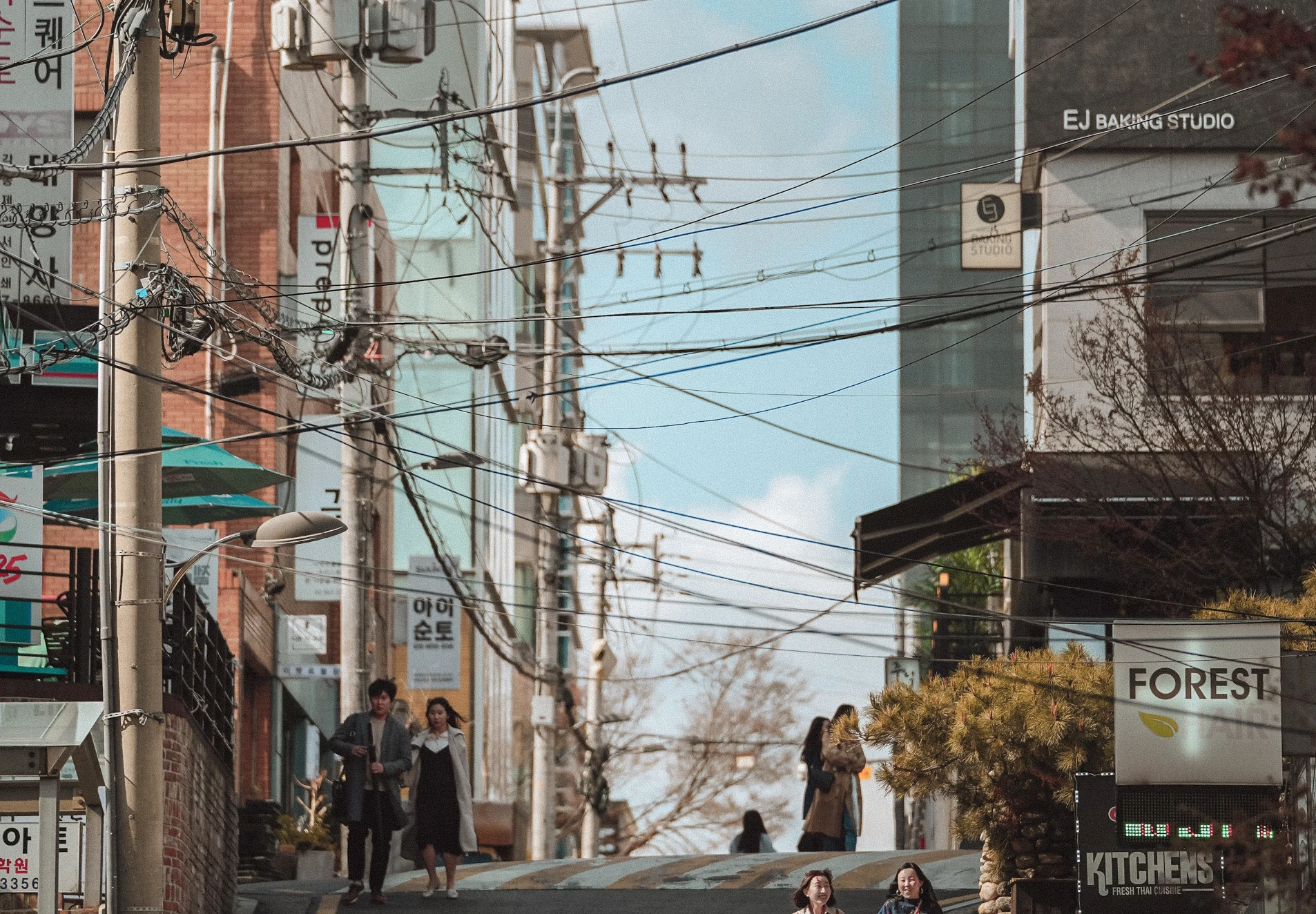
Image by Ori Song, from Unsplash
South Korea Passes AI Basic Act
- Written by Kiara Fabbri Former Tech News Writer
- Fact-Checked by Justyn Newman Former Lead Cybersecurity Editor
On December 27, the South Korean government announced its leadership role in the “Trust in AI” session at the upcoming Paris AI Action Summit, scheduled for February 10, 2025, as reported by Business Korea (BK).
In a Rush? Here are the Quick Facts!
- The AI Basic Act mandates watermarks on AI-generated content to tackle fake news and deepfakes.
- South Korea advanced the act’s subordinate legislation deadline to June 2025 for faster enforcement.
- Experts stress the need for private investment and reforms to support AI innovation in South Korea.
The event follows the AI Seoul Summit held earlier this year, reinforcing South Korea’s growing influence in shaping global AI regulations.
BK notes that the announcement came just one day after the passage of the AI Basic Act in South Korea’s National Assembly, marking a milestone in the nation’s efforts to regulate artificial intelligence technologies.
The act seeks to boost the reliability of AI through measures like mandatory watermarks on AI-generated content to address challenges such as fake news , deepfakes , and copyright infringement , says BK.
The Ministry of Science and ICT has been tasked with enforcing compliance, including conducting investigations and issuing corrective actions for violations . In a display of urgency, the government has advanced the timeline for implementing subordinate legislation from December 2025 to June 2025, reports BK.
Kim Myung-joo, director of the AI Safety Research Institute, highlighted the necessity of domestic regulatory frameworks. “It is more efficient to solve problems domestically first with the AI Basic Act and preemptive regulations before going overseas,” Kim noted, as reported by BK.
The Paris AI Action Summit, expected to be a cornerstone event in global AI governance, will explore a code of conduct aligned with the European Union’s AI Act , which classifies AI systems based on risk levels.
CCN notes that both frameworks adopt a risk-based approach to AI regulation, categorizing AI systems according to their potential impact on human rights and safety, with more stringent rules applied to high-risk or high-impact applications.
They also prioritize transparency, ethical standards, and the creation of oversight bodies to promote responsible AI development, as reports by CCN.
BK reports that an official from an AI company emphasized the importance of guidelines, stating, “Technology cannot develop alone without guidelines,” as reported by BK.
BK notes that despite these advancements, experts warn that regulation alone is insufficient to drive innovation. Lee Kyung-jun, an AI expert, pointed out that fostering private investment and supporting startups is essential for the sector’s growth.
He called for broader institutional reforms, such as revisions to workweek policies and enhanced tax incentives. “The key to fostering the AI industry is attracting private investment and promoting deep-tech startups like OpenAI,” he said, as reported by BK.
South Korea is also addressing AI’s infrastructural needs through the proposed Special Act on Expanding the National Power Grid, aimed at meeting rising energy demands.
The AI Safety Research Institute is collaborating with the European Union to establish mutual certification systems, facilitating the international launch of Korean AI services, says BK.
