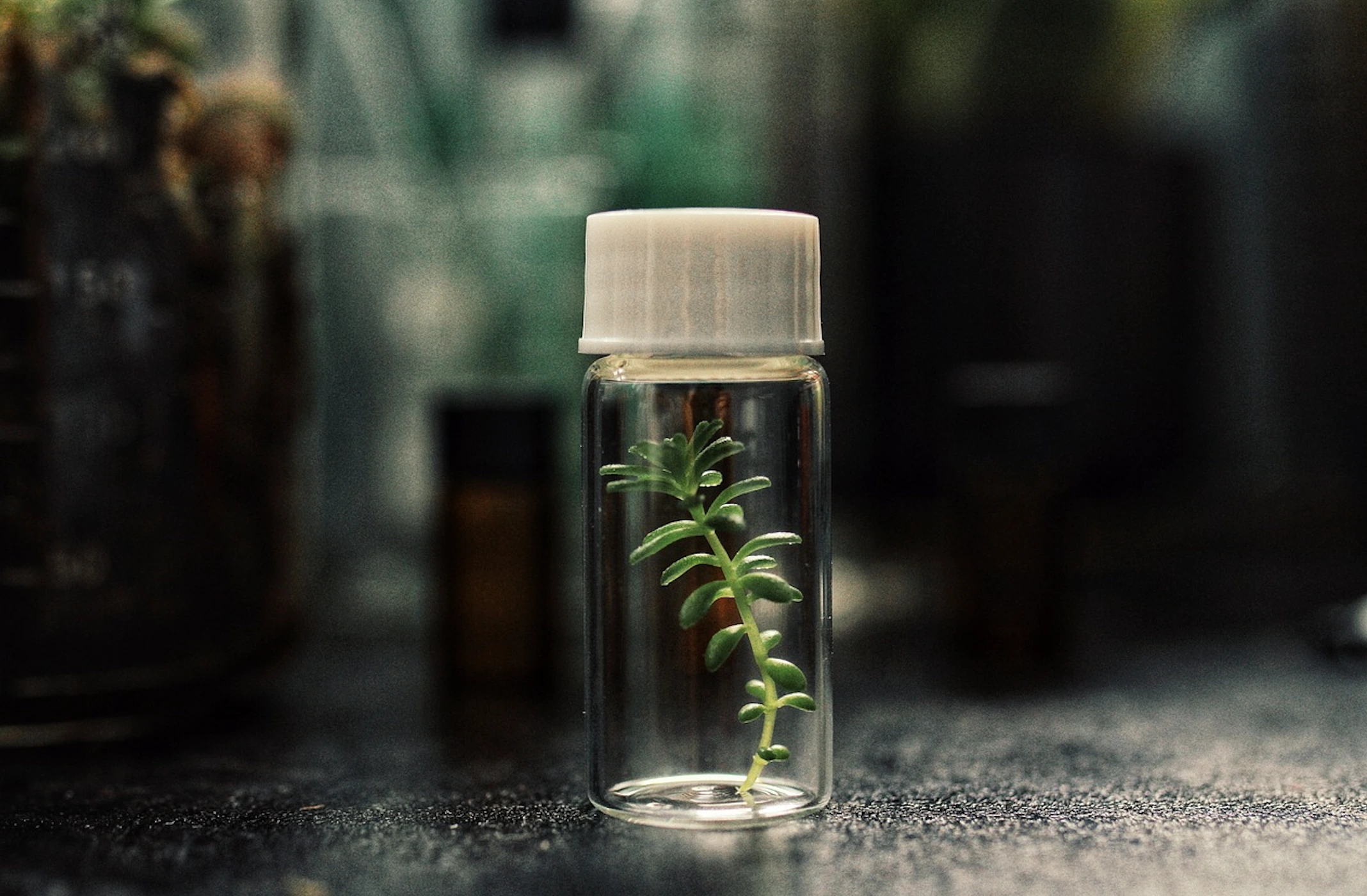
Image by Katetsui, from Pixabay
Growing Greens On Mars: NASA’s Plan For Space Agriculture
- Written by Kiara Fabbri Former Tech News Writer
- Fact-Checked by Justyn Newman Former Lead Cybersecurity Editor
NASA is advancing space agriculture to sustain astronauts on long-duration missions to the Moon and Mars, as reported on Sunday in Astrobiology .
In a Rush? Here are the Quick Facts!
- Space-grown mizuna has higher nutrients but lower yields due to microgravity stress.
- Red-rich light suits single harvests; blue-rich light benefits repeated harvesting in space.
- Space-grown crops showed increased microbial loads compared to Earth-grown samples.
Growing fresh produce, like leafy greens and vegetables, could provide essential nutrients, improve mental well-being, and reduce reliance on sealed food packets, which lose flavor and vitamins over time.
Recent experiments aboard the International Space Station (ISS) have revealed how microgravity influences plant growth, nutrient content, and microbial safety. The VEG-04A and VEG-04B experiments, for instance, studied mizuna mustard greens using the Veggie Vegetable Production System.
Results showed that space-grown mizuna had higher nutrient levels and was rated more palatable by tasters than its Earth-grown counterpart. However, yields were lower due to microgravity-induced stresses, and microbial loads were higher in space-grown samples.
Light quality emerged as a critical factor. Red-rich light was optimal for single harvests, while blue-rich light promoted nutrient accumulation and supported repeated harvesting.
Yet, these benefits came with trade-offs. For instance, the “cut-and-come-again” harvesting approach allowed multiple yields but increased microbial loads, emphasizing the need for optimized safety protocols.
According to a report from Earth.com , other studies, such as Plant Habitat-07 , explored how lettuce adapts to varying moisture levels in microgravity. While water is essential for plant health, imbalances can deprive roots of oxygen or lead to wilting.
Preliminary findings highlighted the critical role of maintaining optimal hydration to ensure healthy, flavorful leaves.
Earth.com also reports that NASA scientists are also exploring genetic and hormonal responses in plants. Research on Arabidopsis thaliana revealed that microgravity alters gene expression, affecting nutrient production, growth patterns, and chemical markers.
These findings pave the way for customizing plant genetics to adapt to the unique challenges of space, such as irregular water movement and limited growing space. Insights from these studies have already informed the cultivation of other crops, like peppers, tomatoes, and radishes.
Adjusting light quality and nutrient formulas has demonstrated significant effects on taste, appearance, and yield. Astronauts’ feedback on freshness and flavor aids in selecting seeds for diverse salads during future missions, according to Earth.com.
As NASA refines its space agriculture techniques, tools like the Mass Measurement Device (MMD) are enabling more precise studies of plant biomass in microgravity. This data is crucial for understanding how crops adapt to spaceflight conditions and how to optimize yields and nutrient profiles.
While challenges remain—such as ensuring consistent microbial safety and developing plants that thrive in low gravity—the progress is promising.
Fresh produce not only provides essential nutrients but also offers psychological support for crews on long missions. With ongoing innovations, NASA is steadily moving closer to creating self-sufficient food systems for Mars and beyond.
These advancements in space farming mark a significant step toward sustainable, long-term human exploration of deep space.

Image by Stock Snap, from Pixabay
Attackers Use YouTube Videos To Lure Users Into Downloading Malware
- Written by Kiara Fabbri Former Tech News Writer
- Fact-Checked by Justyn Newman Former Lead Cybersecurity Editor
Cybersecurity researchers at TrendMicro , recently warned that attackers are increasingly using popular platforms like YouTube and social media to trick users into downloading harmful software disguised as cracked or pirated programs.
In a Rush? Here are the Quick Facts!
- Malware is often hosted on trusted platforms like Mediafire and Mega.nz to avoid detection.
- Files are often password-protected or encrypted, making it harder for security systems to detect.
- Infected devices collect sensitive data, such as passwords, from web browsers for theft.
These “cracks” promise free access to paid software, but they come with hidden dangers. Many users searching for free software unknowingly download these malicious files, which can infect their devices with malware.
Because these services are widely trusted, users often feel confident clicking on the links, believing they are downloading legitimate software. Once a victim clicks on the link and downloads the file, it may appear to be a normal installer for the software they were looking for.
However, hidden inside the file is malware, which is designed to steal sensitive data. The malware is often encrypted or password-protected, making it harder for security programs to detect it. Some files are even very large to further avoid suspicion, allowing them to bypass automated scanning tools.
Once the malware is executed, it works in the background, often without the user realizing it. The malware can inject itself into other programs on the computer to avoid detection.
For example, it might disguise itself by running inside a legitimate program like a web browser or file explorer, making it appear harmless. It can then secretly collect sensitive data, such as login credentials, credit card information, or personal details from the user’s browser.
In some cases, the malware connects to a remote server controlled by the attacker to send the stolen data. It can also download additional malicious software, further compromising the system. Attackers may use this data to commit identity theft, fraud, or other harmful actions.
For example, one case involved a user downloading a file from Mega.nz that seemed normal but was actually a trojan. The trojan injected itself into the system, allowing the attacker to steal data without the user’s knowledge.
Another case involved a user thinking they were opening a legitimate remote access tool, only to find that the file had secretly stolen personal data and established a backdoor for future attacks.
These attacks highlight the dangers of downloading cracked software from untrusted sources. Even if the file seems legitimate, it can be a carefully disguised malware installer designed to steal personal information and cause lasting damage.
