Image by Sanket Mishra, from Pexels
GPT-4o Gets Customizable New Features
- Written by Kiara Fabbri Former Tech News Writer
- Fact-Checked by
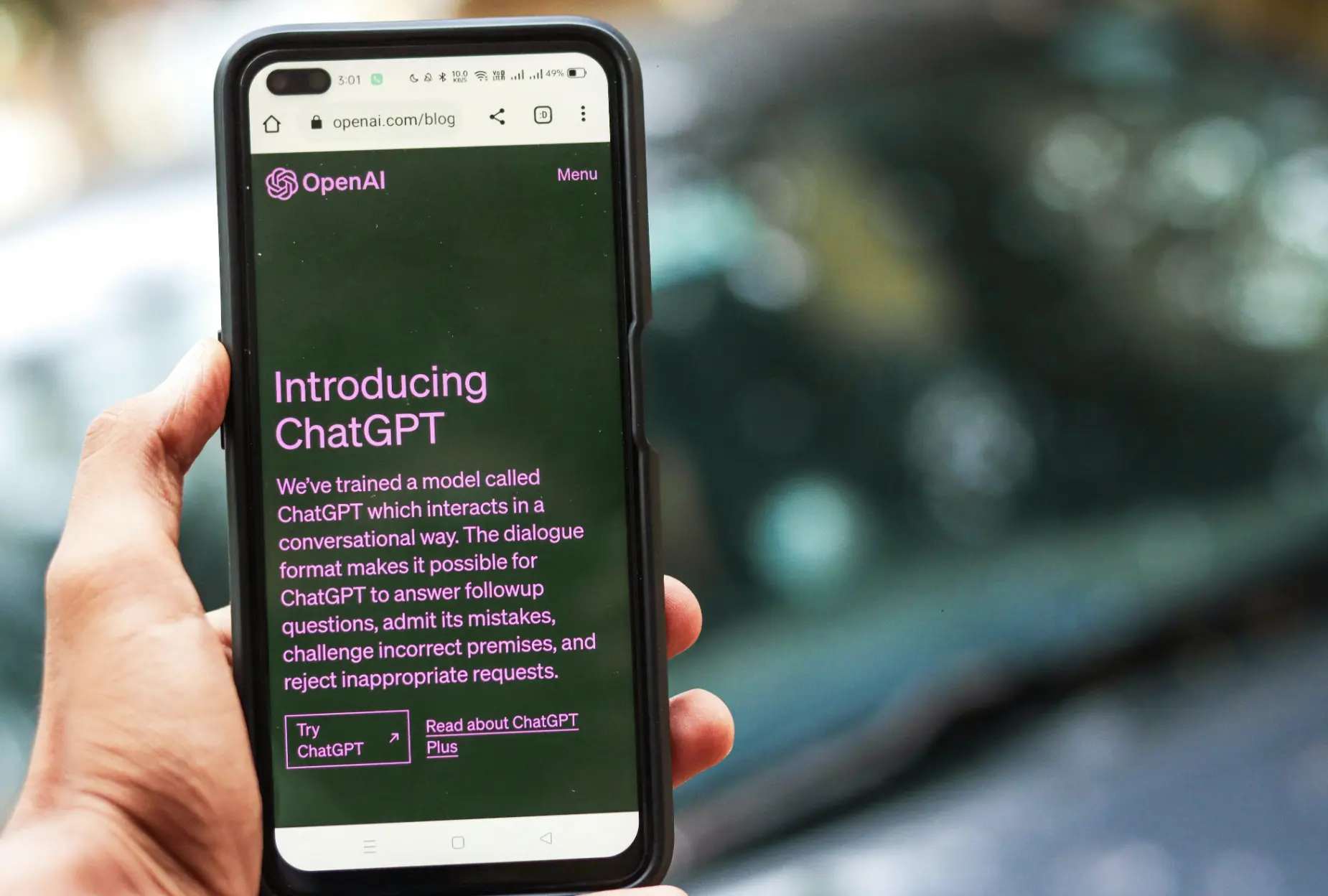
OpenAI introduced a new feature today, allowing customization of its most powerful AI model, GPT-4o. Companies can use their own company data to train GPT-4o on additional information specific to a particular task or subject area.
Fine-tuning tailors GPT-4o’s responses by training the model on relevant data, customizing the structure and tone of responses, and following complex domain-specific instructions.
For example, a company that manufactures cameras might fine-tune an AI model to function as a customer-service chatbot capable of answering questions about camera settings, lens compatibility, and maintenance tips.
Bloomberg suggests that this move comes as startups encounter increasing competition for their AI products aimed at businesses while companies face mounting pressure to show tangible benefits from their investment in AI.
OpenAI stated in its announcement that GPT-4o fine-tuning has been tested with several partners and yielded promising results. OpenAI claims that partners such as Cosine and Distyl have achieved “state-of-the-art performance” on various benchmarks.
The announcement states that the fine-tuned GPT-4o model enhanced Genie’s ability to identify and resolve bugs, build features, and refactor code with greater accuracy.
OpenAI is also offering 1 million training tokens per day for free to all organizations until September 23.
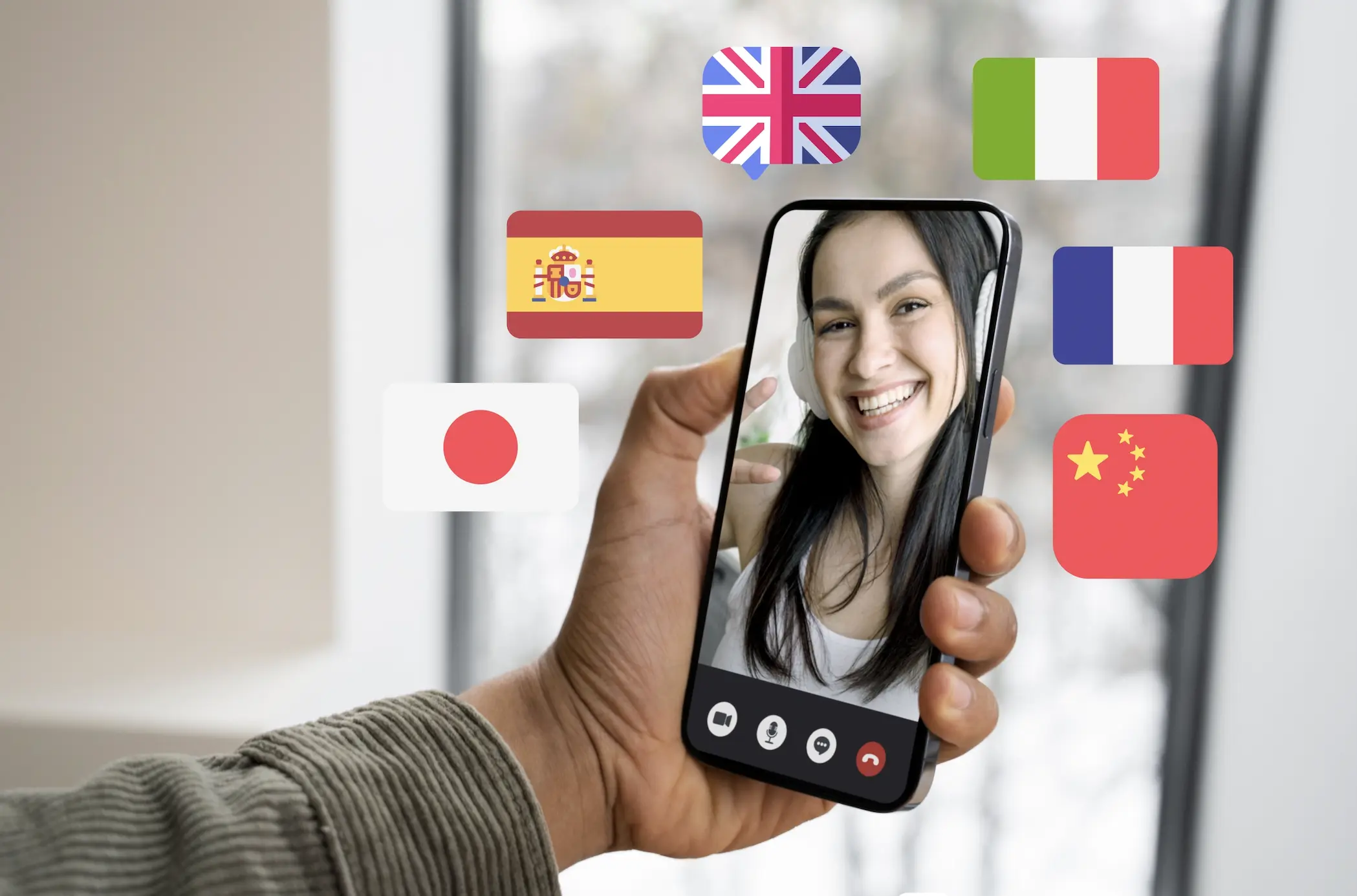
Image from Freepik
D-ID Launches AI Video Translation Tool With Voice Cloning And Lip Sync
- Written by Kiara Fabbri Former Tech News Writer
- Fact-Checked by
D-ID, a company specializing in AI video creation, has launched its AI video translation tool today. This new tool comes with several features , including voice cloning, lip synchronization, and bulk rendering, within an accessible browser-based interface.
The voice cloning feature replicates the speaker’s voice, and the lip sync technology translates words to match the original lip movements.
Additionally, the tool can generate multilingual videos in bulk, effectively speeding up the content creation process.
D-ID’s website showcases some examples of translated videos to demonstrate the tool’s capabilities.
However, the broader implications of such technology should not be overlooked. For instance, earlier this year, Duolingo made headlines when its spokesperson, Sam Dalsimer, confirmed that the company had replaced around 10 percent of its contract writers and translators with AI. A tool like this could make anyone working in content and translations worried.
There are also considerations surrounding the tool’s struggles to generate content with complete cultural accuracy. In one of D-ID’s web announcements , they acknowledge this issue, and recommend adapting cultural references and testing locally before launch. They also recommend working closely with native speakers or cultural experts.
D-ID also advises testing the translated video with a sample from the target audience before launch to identify and address any cultural or linguistic issues.
The advancement of AI in translation has been ongoing for years, with milestones like the launch of Google Translate in 2006 marking significant progress. As AI continues to evolve, its role in translation and content creation will likely expand, bringing both new opportunities and challenges.
