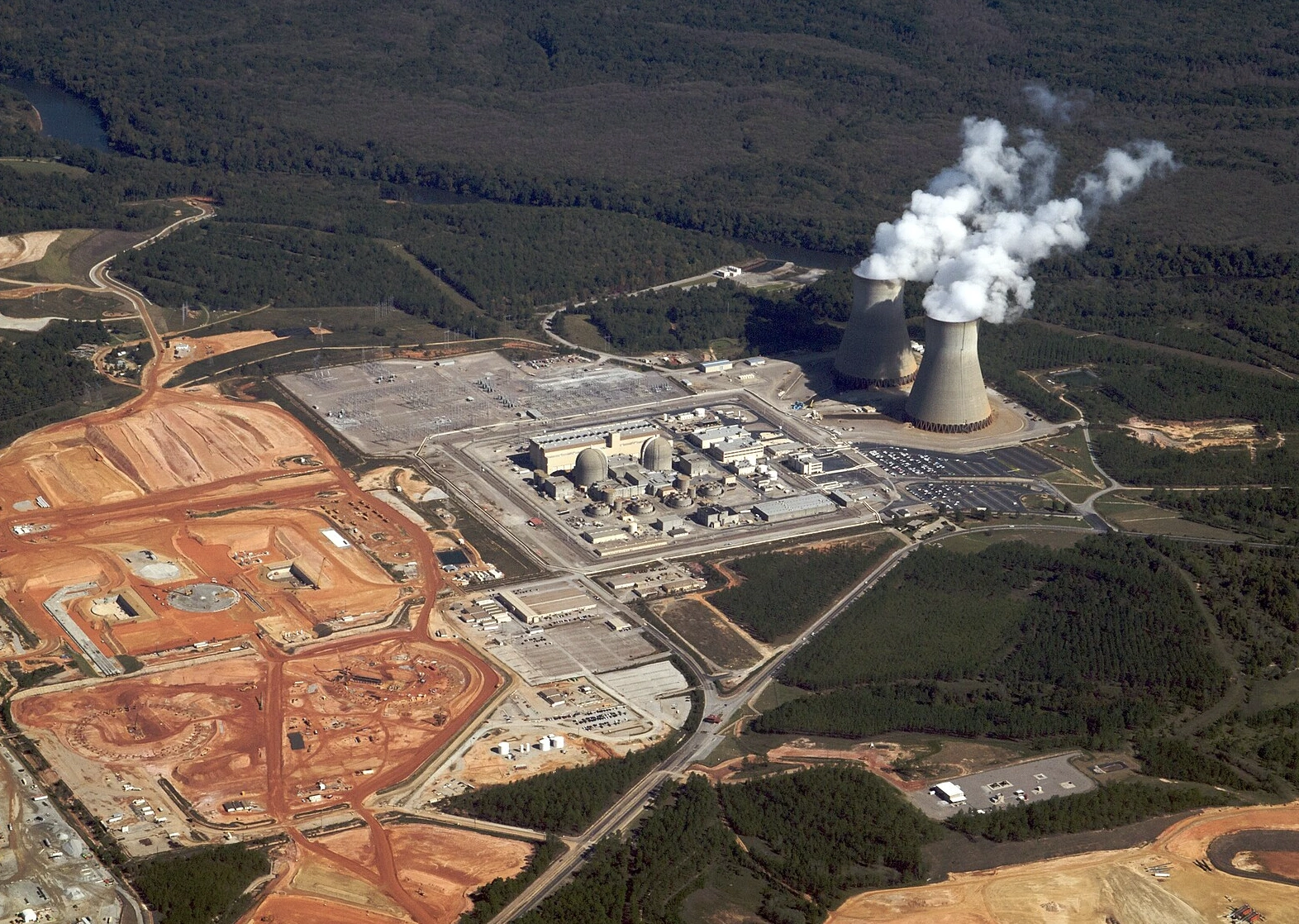
Image by Charles C Watson Jr, from Wikimedia Commons
Google’s Nuclear Deal To Power AI
- Written by Kiara Fabbri Former Tech News Writer
- Fact-Checked by Justyn Newman Former Lead Cybersecurity Editor
In a Rush? Here are the Quick Facts!
- Google will support the construction of seven small nuclear reactors in the U.S.
- The deal aims to meet Google’s growing energy demands for AI operations.
- The reactors are expected to be operational by the end of the decade.
In a new move aimed at fueling its growing energy demands, Google has announced its commitment to support the construction of seven small nuclear power reactors in the U.S, as reported today by The Wall Street Journal (WSJ).
Google’s agreement with the nuclear-energy startup Kairos Power underscores the tech giant’s efforts to secure energy demands for its AI operations. Notably, power consumption by U.S. data centers is projected to increase nearly threefold from 2023 to 2030, noted Reuters .
Under the terms of the deal, Google will purchase 500 megawatts of power generated by Kairos’ reactors, which are expected to be operational by the end of this decade.
The reactors are designed to be smaller and more cost-efficient compared to traditional nuclear plants, as reported by WSJ. Kairos Power’s innovative reactor design, which uses molten fluoride salt instead of water as a coolant, promises increased efficiency and safety, notes WSJ.
The project will include one 50-megawatt reactor, followed by three power plants each housing two 75-megawatt reactors. While this is considerably smaller than the 1,000-megawatt output of conventional reactors, the cumulative 500 megawatts will be enough to power a midsize city or a large AI data center, noted WSJ.
“The end goal here is 24/7, carbon-free energy,” said Michael Terrell, Google’s Senior Director for Energy and Climate, as reported by WSJ.
The path to construction is not without challenges. Kairos will need to secure approval from the U.S. Nuclear Regulatory Commission, though the company has already received permission to build a demonstration reactor in Tennessee, slated to begin operations in 2027, reported WSJ.
Technology companies have entered into multiple agreements with nuclear power firms this year, as reported by Reuters, driven by a surge in power demand from artificial intelligence for the first time in decades.
Critics argue that small modular reactors may be costly due to their inability to achieve the economies of scale seen in larger plants. Additionally, concerns linger over the long-lasting nuclear waste they would generate, for which the U.S. currently lacks a permanent disposal solution, reported Reuters.
However, Google believes that its commitment to a so-called order book framework with Kairos Power—rather than purchasing reactors individually—will send a strong demand signal to the market and facilitate long-term investment in small modular reactors development, reports Reuters.
Image by Storyset, from Freepik
Star Health Faces $68,000 Ransom Demand Following Cyberattack
- Written by Kiara Fabbri Former Tech News Writer
- Fact-Checked by Justyn Newman Former Lead Cybersecurity Editor
In a Rush? Here are the Quick Facts!
- The hacker leaked sensitive customer data through Telegram chatbots and a website.
- Star Health’s shares have dropped 11% since the data breach was reported.
- Telegram removed chatbots but hasn’t banned or identified the hacker.
India’s largest health insurer, Star Health, has been hit by a cyberattack, resulting in a data leak of confidential customer information. In response, the hacker has demanded a ransom of $68,000 from the company, as reported by Reuters .
The cyberattack has severely impacted the company, which has a market cap of approximately $4 billion, noted Reuters.
The ransom demand was made in an email sent to Star Health’s managing director and CEO in August, marking the first time the company has publicly acknowledged the threat.
This announcement follows a report by Reuters on Sept. 20 that detailed how a hacker used Telegram chatbots and a website to leak sensitive customer data, including tax information and medical claim documents.
Star Health, whose shares have dropped 11% since the breach was reported, has launched internal investigations and is pursuing legal action against both Telegram and the hacker, known as xenZen.
The incident highlights a broader issue in the healthcare sector. A recent global survey found that ransomware continues to be a major challenge , with hospitals and other healthcare facilities being particularly vulnerable to such attacks.
The hacker’s website continues to share samples of the insurer’s customer data, notes Reuters.
On Friday, Indian stock exchanges requested clarification from Star Health regarding a Reuters report suggesting that the company’s chief security officer, Amarjeet Khanuja, may have been involved in the breach.
Star denied these allegations, stating that their internal investigation has found no wrongdoing by Khanuja, though inquiries are ongoing, as reported by Reuters.
Despite multiple notices, Telegram removed the chatbots used by the hacker after Reuters reported them, but they have not provided account details or permanently banned the hacker’s accounts, reported Reuters.
Star Health is now working with Indian cybersecurity authorities to identify the hacker responsible, noted Reuters.
