Google Tests New “Lookup” Feature to ID Unknown Callers
- Written by Shipra Sanganeria Cybersecurity & Tech Writer
- Fact-Checked by
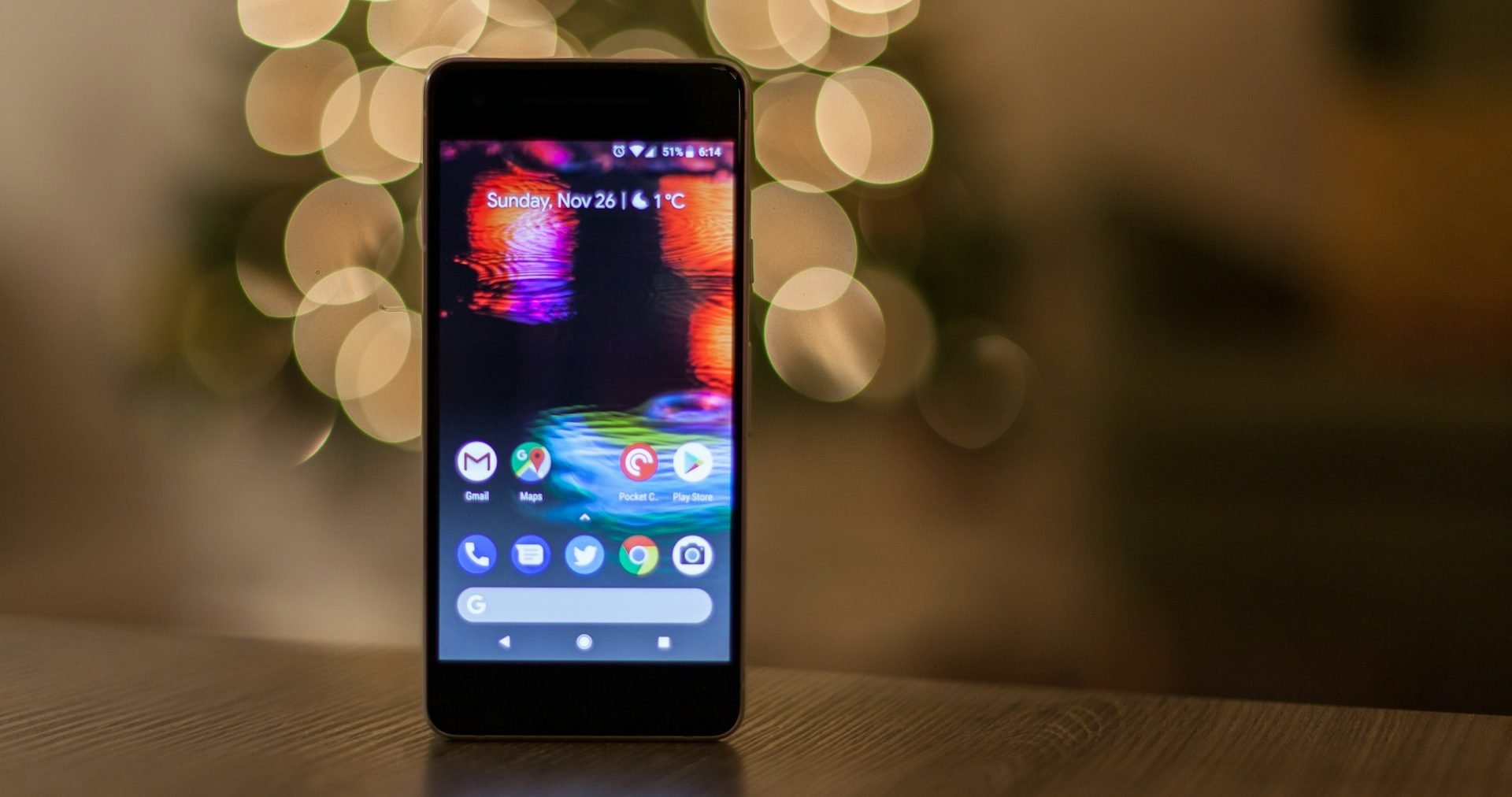
Google is set to roll out an interesting new feature dubbed “Lookup” on its Pixel Phone app that allows users to search the web for the unknown number right from the call screen.
The new Lookup button in the Google Phone app beta v127.0.620688474 was first spotted by X user AssembleDebug , who tipped off PiunikaWeb . The new button appears alongside options, like “Add contact” and “Block,” visible when you select an unidentified number in the call log”s Recents tab.
Upon tapping, the Lookup button opens a list of applications capable of conducting web searches, including the Google Search option. With the number already input into the search bar, users can navigate the web to identify the source of the unknown number.
The Lookup button isn’t a brand-new feature, rather, Google Pixel, in its March 2024 Feature Drop, has already introduced a similar “ Number Search ” button in Japan. The Lookup option seems to be an extension of this feature for global users.
Google’s Phone app already has the Caller ID and Spam Protection feature, but with the new Lookup option, users can easily identify calls from unknown businesses.
The capability does not extend to the numbers of private individuals but rather businesses with an online presence. So, we can say that it’s a long way before Lookup can replace caller ID apps like Truecaller. However, PiunikaWeb notes that “it’s possible that we might see integration with such apps once the feature goes live.”
Apart from the new Lookup button, AssembleDebug revealed another new feature update by Google. The company is in the process of integrating Gemini-powered email summaries into the Android version of its Gmail app.
Still, in its early testing phase, the button currently lacks functionality for the Android version of the email app. However, Google Workspace users can take advantage of Gemini’s email summarizing abilities, but only on the web.
Dyson’s New Augmented Reality Feature Maps Where You’ve Vacuumed
- Written by Deep Shikha Content Writer
- Fact-Checked by
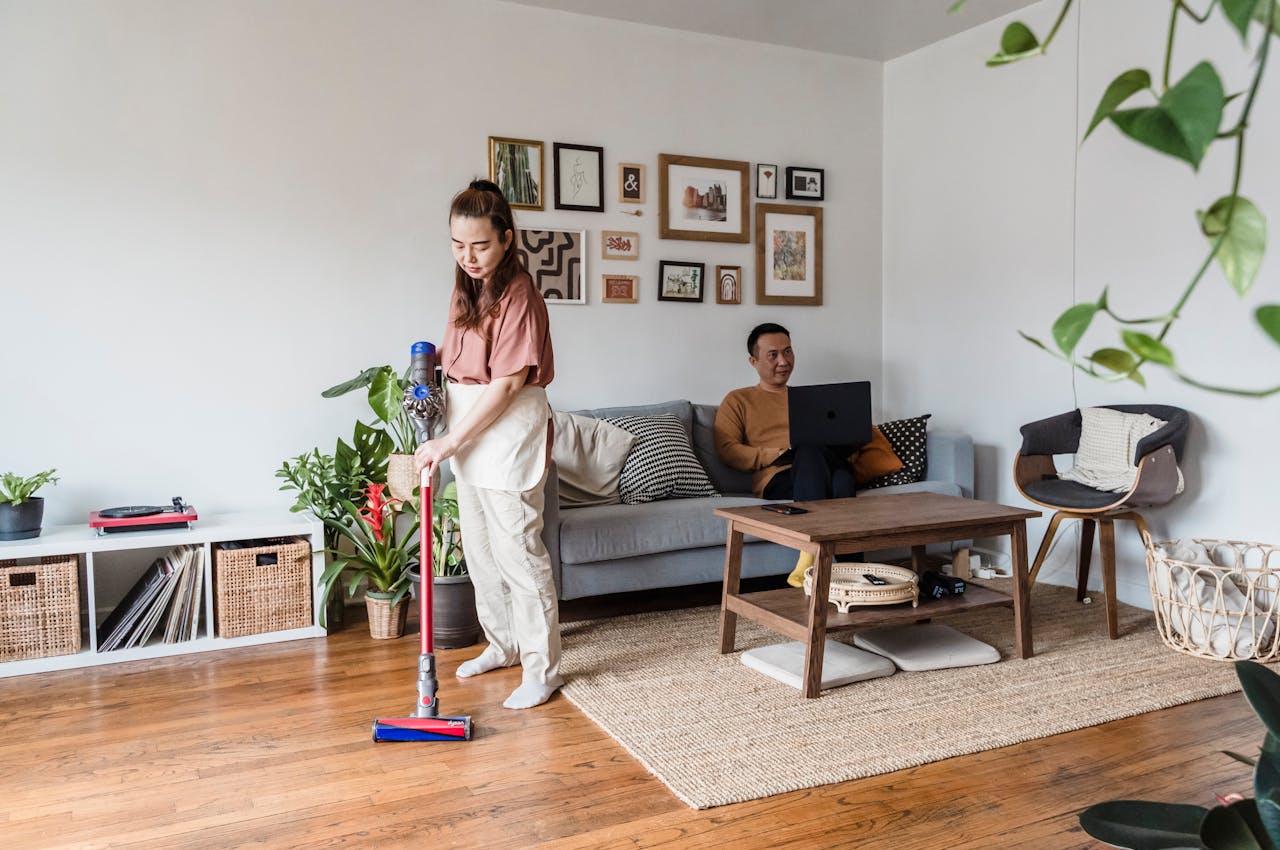
On April 8, Dyson announced a new feature called CleanTrace that uses augmented reality sensors in smartphones to visually highlight areas that have been vacuumed, ensuring no spot is missed. This tool effectively paints over cleaned sections on device screens in real-time, indicating which areas have been vacuumed.
Due for launch this June, CleanTrace uses a lidar scanner on iPhone 12 Pro, Pro Max, and newer models to highlight the vacuumed area. The phones must be attached to the vacuum using a separately sold clamp, compatible only with Dyson’s $1,000 Gen5detect model. The cost of the clamp has not yet been determined. Dyson will integrate this feature into its mobile app as a free update in June.
Dyson’s research shows that about 80% of cleaning sessions last under 10 minutes, though people report vacuuming for an average of 24 minutes. The data also highlights inefficient cleaning habits, with repeated coverage of the same areas and other spots entirely missed.
According to Dyson, this feature aims to make deep cleaning quicker and more precise.
The company explains that the feature was inspired by the mapping technology of its robot vacuums. Dyson’s VP of Engineering, Charlie Park, points out that, unlike most people, Dyson robots have a systematic cleaning approach. They are aware of their location in a room, where they’ve already cleaned and where they still need to clean.
TechCrunch has a different take on this, describing it as somewhat silly and unnecessary. However, the platform acknowledges the entertainment value, suggesting that the quirkiness is part of its appeal. It might not persuade those hesitant about a $700+ vacuum, but TechCrunch remarks that it’s not the most extreme product Dyson has released, referencing the Dyson Zone air purifier you attach to your face.
According to The Verge , the Gen5detect vacuum already includes features like a green headlight highlighting dust and debris. The CleanTrace attachment adds another layer of verification, giving users extra assurance that they’ve cleaned thoroughly. The Verge also raises the valid question of why this feature wouldn’t work with other Dyson models or even vacuums from different brands.
The system displays Dyson’s signature purple in demonstrations, marking the vacuum’s path. While there’s no one opinion on whether this feature is unnecessary, this means there’ll be no more floorboard counting to ensure thorough cleaning.
