Photo by Yucel Moran on Unsplash
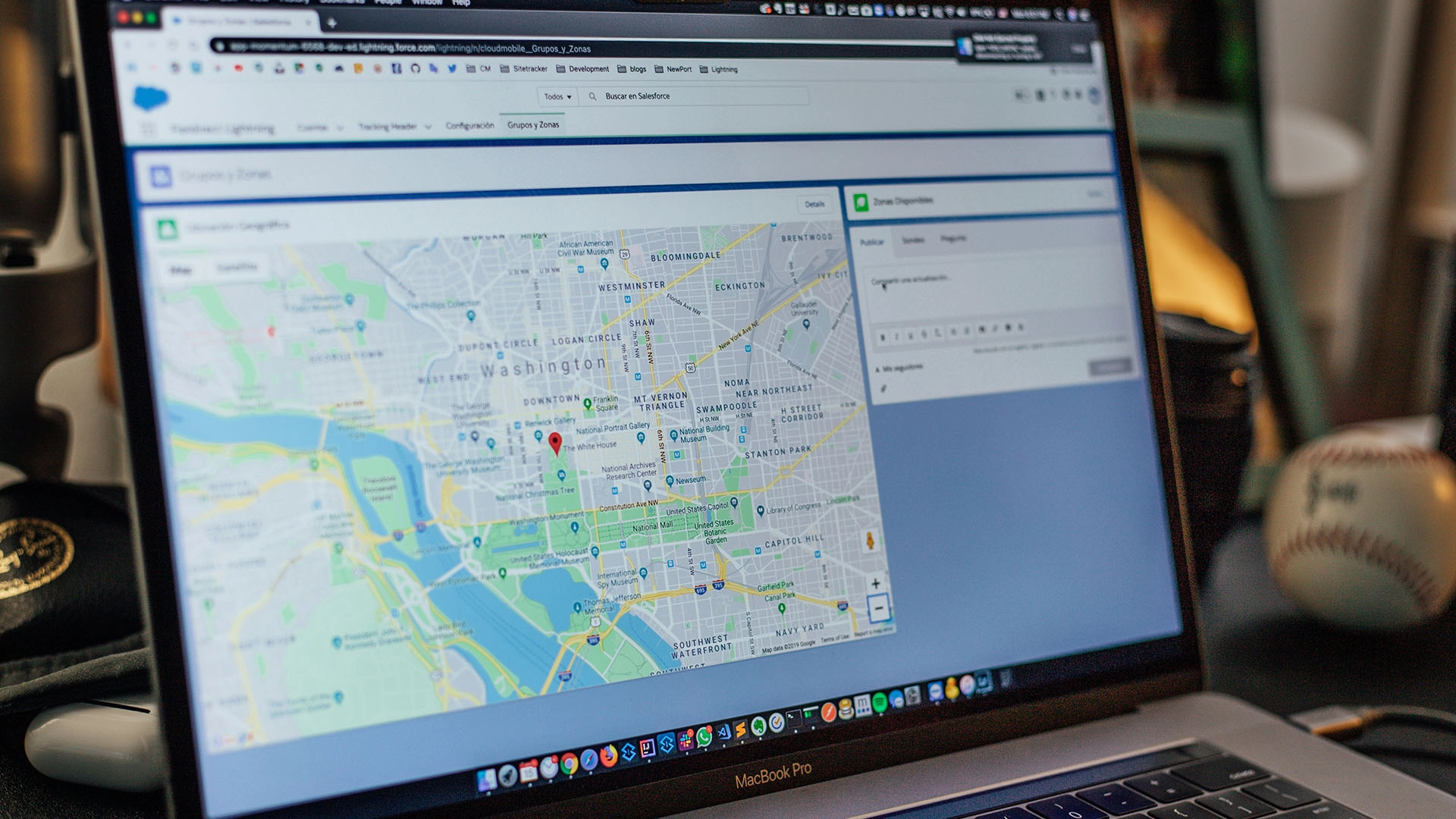
Google Sues Scammers Behind 10,000 Fake Business Listings on Google Maps
- Written by Andrea Miliani Former Tech News Expert
- Fact-Checked by Sarah Frazier Former Content Manager
Google is filing a lawsuit against alleged scammers who created over 10,000 fake businesses and illegitimate listings on Google Maps.
In a rush? Here are the quick facts:
- Google sues scammers behind over 10,000 fake business listings on Google Maps.
- Fraud tactics included fake reviews, hijacked phone numbers, and overcharging clients.
- Scammers targeted emergency services like locksmiths and towing companies to exploit users in urgent need.
According to a CBS News’ exclusive , Google revealed that malicious actors created and sold multiple fake business profiles registered on Google Maps.
Google’s investigation revealed that scammers have built a worldwide network to collaborate and use social media to reach wider audiences.
Halimah DeLaine Prado, Google’s general counsel, explained on CBS Mornings Plus that one of the cases was from an unlicensed locksmith acting as another business in Texas on Google Maps. Scammers would pretend to be the professional business, charging the client a significantly higher price for the service.
The real company alerted Google about the fraud and the tech giant started an investigation to discover—and eliminate—over 10,000 fake listings.
“Once we’re alerted to the actual fraud, we take extreme efforts to identify similar fraudulent listings,” said DeLaine Prado. “Scammers are becoming increasingly sophisticated.”
Another strategy used by malicious actors was to hack real businesses’ phone numbers to redirect customers to another line where scammers would ask for money in advance through wire transfers or other unconventional payment methods like gift cards.
Google also discovered scammer networks that created profiles to generate fake positive reviews for businesses on Google Maps, as this is a relevant criterion for potential clients.
“Consumers use the reviews under those listings to actually make decisions based on what service to use or not to use,” said DeLaine Prado. “A fake profile and a fake review undermines the trust that you have in that ecosystem.”
Many of the scams unveiled focused on companies that solve emergencies or urgent situations such as towing or locksmith companies.
DeLaine Prado recommended Google Maps users verify the legitimacy of the business before reaching out. If something seems off, the best thing to do is to pause and acknowledge the red flags such as a URL not matching the business name or a company requesting too much information—like a social security number.
It’s not the first time Google filed lawsuits against scammers, or revealed fake accounts. In 2023 the company blocked around 12 million fake business profiles.
A few months ago, Google added new AI-powered features to Google Maps to suggest activities, and places to visit while traveling, as well as curated suggestions in the United States.

Photo by Growtika on Unsplash
Anthropic’s Claude AI Now Offers Real-Time Web Search
- Written by Andrea Miliani Former Tech News Expert
- Fact-Checked by Sarah Frazier Former Content Manager
The American AI company Anthropic announced that its flagship AI model Claude is now able to search the web to provide up-to-date answers. The feature is currently available only to paid members in the United States.
In a rush? Here are the quick facts:
- Anthropic’s AI chatbot Claude can now search the web for real-time answers, starting with U.S. paid users.
- The feature includes direct source citations to help users verify information quickly and easily.
- Claude’s web search aims to support professionals like analysts, researchers, and shoppers with up-to-date insights.
According to Anthropic’s announcement , Claude will provide direct citations that can be quickly verified as it will also provide the sources.
“With web search, Claude has access to the latest events and information, boosting its accuracy on tasks that benefit from the most recent data,” shared the company.
The new feature allows the chatbot to access more information, understand the latest events, and enhance its accuracy.
“Web search is available now in feature preview for all paid Claude users in the United States,” states the document. “Support for users on our free plan and more countries is coming soon.”
Paid members interested in trying Claude’s new feature must enable the web search option in the profile setting and interact with the chatbot. Free users must wait for the feature a bit longer for access.
Claude can now search the web. Each response includes inline citations, so you can also verify the sources. pic.twitter.com/iFshgfUEp8 — Anthropic (@AnthropicAI) March 20, 2025
Anthropic also suggested multiple use cases for the search feature. The company explained that it can help sales teams analyze trends for planning and learn about key initiatives and pain points; assist financial analysts in making better investment decisions; support researchers in identifying trends and gaps in the available literature; and enable shoppers to compare products and make more informed decisions.
Other AI companies have been providing similar services. OpenAI launched its search feature in November 2024, and Perplexity was launched in 2022 including searching capabilities since its debut.
The new search feature for Claude arrives just a few days after the New York Times revealed Google is planning on investing $750 million in the company this year—after it has already invested $3 billion. And, just a few weeks ago, the AI startup launched the latest version of its chatbot Claude 3.7 Sonnet with extended thinking capabilities.
