
Image by Master1305, from Freepik
Google Rolls Out New Security Features To Protect Against Phone Theft
- Written by Kiara Fabbri Former Tech News Writer
- Fact-Checked by Justyn Newman Former Lead Cybersecurity Editor
In a Rush? Here are the Quick Facts!
- Theft Detection Lock uses AI to lock the phone during theft attempts.
- Offline Device Lock activates when the phone is offline for an extended period.
- Remote Lock allows locking the device using only the phone number.
Google is introducing a new set of features designed to make it harder for thieves to access your data, according to a report from Mishaal Rahman, who shared the information on Reddit, as covered by The Verge .
Theft Detection Lock, Offline Device Lock, and Remote Lock features— first announced in May —can detect if someone grabs your phone and tries to flee on foot, by bike, or in a car. If the AI determines it’s a real theft attempt, the phone will automatically lock, potentially preventing the thief from accessing your apps and data, said The Verge.
The standout feature among the new updates is Theft Detection Lock, which uses AI to lock your screen when it detects “typical theft-related motion,” such as someone grabbing your phone from your hand, notes The Verge.
Offline Device Lock secures the screen when the phone has been offline for some time, and Remote Lock allows users to lock their device using only their phone number if they can’t access Find My Device with their password, said the Verge.
However the Verge noted at the time of publishing that these features did not appear on Pixel 6 yet, but Rahman shared screenshots of the settings in a recent post on Threads.
Protecting smartphones goes beyond preventing theft—cyber criminals are constantly finding new ways to compromise your mobile banking information. In August, researchers from cybersecurity firm ESET uncovered new Android malware that can capture payment data from nearby phones with near-field communication (NFC) enabled, as noted by PCMag .
Google’s new security features represent a proactive approach to combating both physical theft. These new features offer users enhanced protection, underscoring the need for continued vigilance in safeguarding personal data.
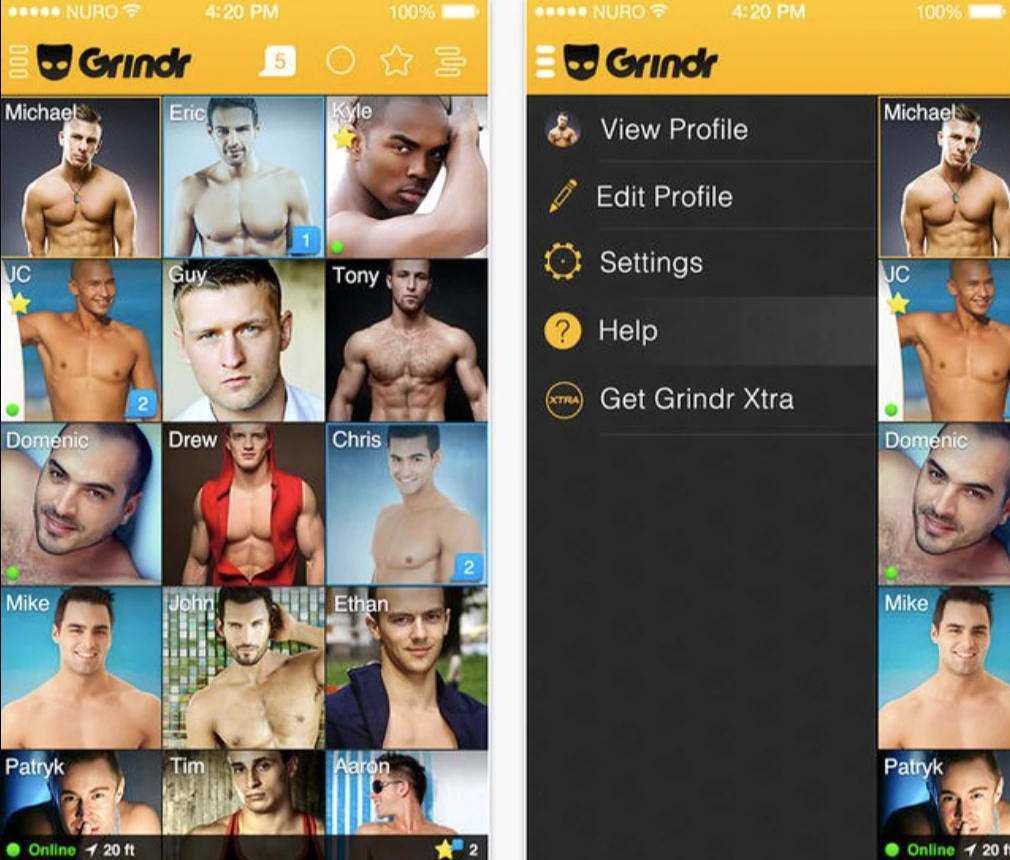
Image by Melies The Bunny, from Flickr
Grindr’s AI Wingman Aims To Streamline Dating
- Written by Kiara Fabbri Former Tech News Writer
- Fact-Checked by Justyn Newman Former Lead Cybersecurity Editor
In a Rush? Here are the Quick Facts!
- Grindr is testing an AI “wingman” feature for its LGBTQ+ user base.
- The AI assists with finding partners, suggesting dates, and making reservations.
- Full rollout of the AI wingman is expected by 2027.
Grindr, the popular gay dating app, is testing an AI-powered “wingman” feature designed specifically for its LGBTQ+ user base. This AI wingman functions like a chatbot, helping users find potential long-term partners, recommending date spots, and even making restaurant reservations, according to The Wall Street Journal (WSJ).
The wingman is a type of AI agent, often referred to as a bot. Unlike traditional chatbots that merely answer questions, summarize text, and generate content, these AI agents can actively navigate the internet and perform tasks on our behalf, according to WSJ.
Currently, the feature is being tested by a small group, with plans to expand to around 1,000 users by the end of the year, and up to 10,000 next year. A full rollout is expected by 2027. Over time, the wingman will evolve to handle more advanced tasks, such as interacting with other AI agents, notes WSJ.
In the future, two AI wingmen could converse after their human users match, providing a “robust view” of each other before they meet in person. This bot-to-bot interaction aims to save users time and potentially highlight early deal-breakers, Grindr CEO George Arison told WSJ.
A significant challenge in developing this AI has been maintaining user privacy, a particularly sensitive issue for Grindr’s community. Many users are not open about their sexuality or live in places where being gay is illegal or stigmatized, notes WSJ.
Privacy concerns are heightened by past issues, including the collection and sale of precise location data from millions of Grindr users since 2017. Grindr stopped sharing location data with ad networks in 2020, reported WSJ.
The company addressed these challenges by partnering with Ex-human, an AI firm specializing in “empathetic AI technology” trained on romantic conversations. Last year, Grindr integrated a clone of Ex-human’s AI model into its system, according to WSJ.
This model is being customized to better reflect queer culture by incorporating Grindr’s own data and slang. Arison explained that Ex-human’s original model was primarily trained on straight romantic conversations, and Grindr is working to “make it more gay,” reported WSJ.
To protect user data, Grindr will ask for permission before using chat histories for AI training, noted WSJ.
The company has also implemented safeguards to prevent misuse, such as blocking the wingman from engaging in conversations involving commercial activity or solicitation, an issue identified during testing, reported WSJ.
As Grindr continues to expand this feature, it raises questions about the role of AI in human relationships.
While it may streamline dating by cutting through early-stage hurdles, there’s a risk of over-reliance on technology, potentially diminishing the organic, human elements that make relationships meaningful. The challenge will be for Grindr to ensure its AI enhances, rather than replaces, the genuine connection people seek.
