
Photo by Firmbee.com on Unsplash
Google Rolls Out AI Video Tool “Vids” For Workspace Business
- Written by Andrea Miliani Former Tech News Expert
- Fact-Checked by Sarah Frazier Former Content Manager
In a Rush? Here are the Quick Facts!
- Google Vids began rolling out gradually for users with certain work, school, and personal memberships
- The new tool is powered by Gemini and includes multiple features to help users create different kinds of videos
- Google included a stock library with videos, audio, music, GIFs, and stickers
Google began rolling out its AI video tool Google Vids for selected Google Workspace members. Users with access to the paid work, school, and personal accounts selected and listed by the company can now test the new Gemini-powered feature announced in April.
However, the tech giant warned that not every user will have access right away. “Access to Google Vids is rolling out and it may not be available to you yet,” states a document about Vids availability shared by the company.
Alice Keeler, a Google-certified innovator, shared on the social media platform X that it might take up to two weeks for certain users to get access to the new feature.
Vids is live on the school account today! You can make videos right from Google Drive. Note: it is a slow rollout it might take 2 weeks if you don’t have it yet. #GoogleEDU #GoogleVids pic.twitter.com/U34zq6Q0dw — Alice Keeler (@alicekeeler) November 8, 2024
Users with access can use the “help me create” feature to write a prompt for Gemini and begin the creation of the video. Google shared multiple templates for easy and ready-to-go designs, that can also include documents from Drive.
The platform also has a library with stock content so that video creators can add music, stickers, GIFs, videos, and sound effects.
Google added a recording studio feature to help users record videos and include them or make them part of the creation. Although only available in English, people can also use the read-along teleprompter tool to record the videos.
Multiple users can interact and collaborate in real-time and share the videos after downloading them in MP4 format.
This new feature comes only weeks after Google announced Audio Overview to help users create AI-generated podcasts from their notes on NotebookLM.
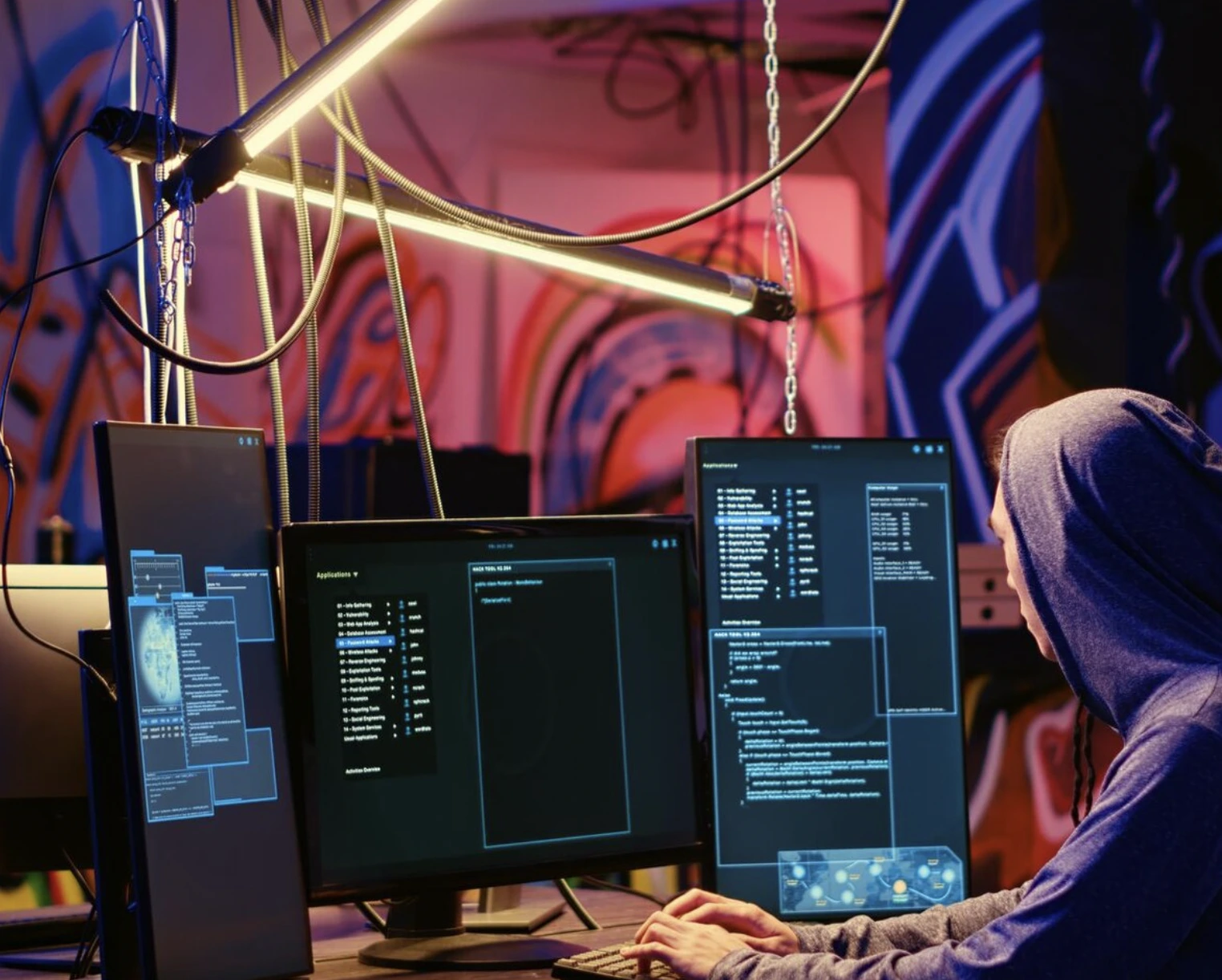
Image by DC Studios, from Freepik
North Korean Malware Attacks Mac Users in Crypto Industry
- Written by Kiara Fabbri Former Tech News Writer
- Fact-Checked by Sarah Frazier Former Content Manager
In a Rush? Here are the Quick Facts!
- The hacking group, BlueNoroff, launched the “Hidden Risk” campaign in April 2023.
- Malware spreads via fake cryptocurrency news updates in phishing emails.
- Attack enables remote control and data theft from infected devices.
A new report by cybersecurity firm SentinelOne highlights a wave of advanced malware attacks targeting cryptocurrency firms, specifically those using macOS devices.
The attacks, attributed to North Korean hackers associated with the “BlueNoroff” group, employ phishing emails and deceptive links to infiltrate corporate systems and steal funds.
Technical evidence linked the campaign to BlueNoroff, a subgroup recently identified by the U.S. Treasury as part of Lazarus , North Korea’s most notorious government-backed hacking group, as noted by The Record .
The BlueNoroff campaign, known as “Hidden Risk,” reportedly began in April 2023 and uses fake cryptocurrency news updates to lure victims.
Malicious applications disguised as PDF documents trick users into downloading malware. These phishing emails often appear to be from reputable sources in the crypto industry, containing links to “reports” that, instead, install a malware application.
Titles like “Hidden Risk Behind New Surge of Bitcoin Price” are crafted to look credible, duping users into opening the files.
SentinelOne’s report highlights an innovative tactic within the campaign: using the “zshenv” file, a hidden macOS system file, to keep the malware persistent. This method allows the malware to evade detection by not triggering typical macOS security alerts.
Once embedded, the malware installs a backdoor, enabling attackers to remotely control infected devices, execute commands, and harvest data.
This campaign aligns with North Korea’s long-standing interest in cryptocurrency as a funding source. In September 2024, the FBI issued warnings about North Korean hackers targeting decentralized finance (DeFi) platforms and crypto firms through phishing.
The “Hidden Risk” campaign underscores the group’s evolving techniques, particularly in targeting macOS vulnerabilities.
SentinelOne’s findings underscore the importance of caution in the crypto industry. Security experts recommend that firms enhance their security protocols, educate employees on phishing threats, and exercise caution when handling unexpected emails or applications.
