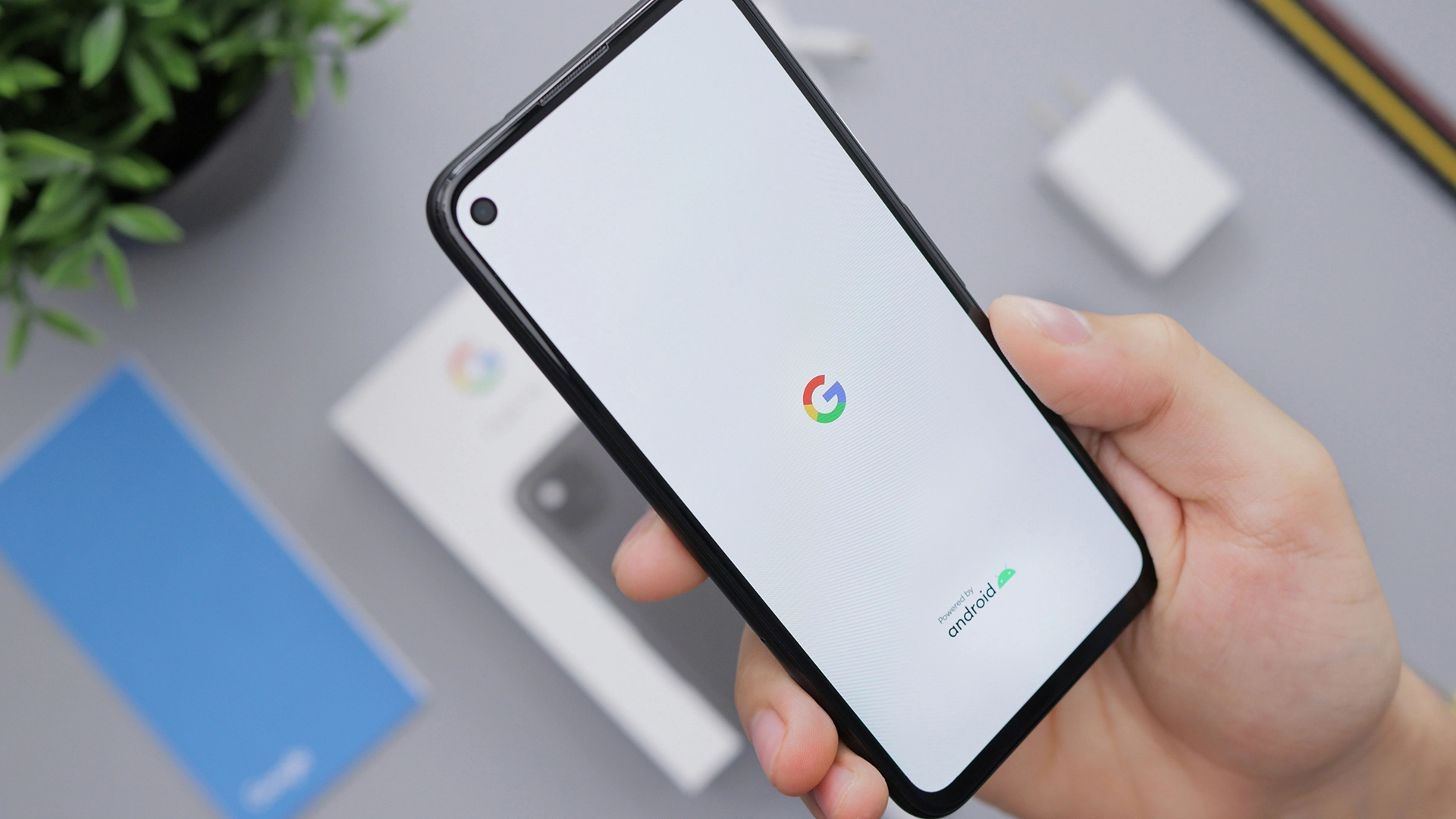
Photo by Daniel Romero on Unsplash
Google Rolls Out AI Tools to Protect Users from Scammers
- Written by Andrea Miliani Former Tech News Expert
- Fact-Checked by Sarah Frazier Former Content Manager
Google announced new AI tools to stop scams and protect users on Thursday. The tech giant released a report detailing improvements to its security tools and the implementation of new strategies that leverage large language models (LLMs) and generative AI.
In a rush? Here are the quick facts:
- Google is using AI-powered tools to protect Search, Chrome, and Android users against scammers.
- The tech giant released a new report with more details on the effectiveness of the new security strategies.
- Gemini Nano is adding security layers on Chrome, and a new AI-powered feature offers extra protection on Chrome and Android for notifications.
According to the announcement , Google is using advanced techniques to enhance safety and detect scammers across its main platforms and products.
“Today, we’re releasing a new report on how we fight scams in Search, and sharing the new ways we’re using AI to keep you safe across Search, Chrome, and Android,” wrote Jasika Bawa, Group Product Manager focusing on Chrome security, and Phiroze Parakh, Senior Director of Engineering for Google Search.
Google has implemented new AI-powered tools and has managed to improve its detection of scammy pages in Search by a factor of 20, as well as detect fake phone numbers. One example the company highlights involves scammers impersonating airline customer service to trick Google Search users into calling them. “We’ve already reduced these scams by more than 80% in Search, greatly reducing the risk that you call a scammy phone number,” the announcement states.
A few weeks ago, Google filed a lawsuit against scammers for creating over 10,000 fake businesses on Google Maps. The company also warned about malicious actors’ strategies—such as adding fake business numbers—and has taken action to combat them.
For Chrome, Google has been using Gemini Nano to add additional layers of protection against online scams on desktop. The AI tool alerts users about risky websites, enabling Google to offer better protection against potential scams, including newly emerging threats. The company plans to expand Gemini Nano’s security capabilities to Android.
Android users can also benefit from a new AI feature, Scam Detection, in Google Messages and Phone, which helps protect against scam calls and text messages.

Photo by sebastiaan stam on Unsplash
Hacker xenZen Threatens CEO And CFO Of India’s Largest Health Insurer Star Health
- Written by Andrea Miliani Former Tech News Expert
- Fact-Checked by Sarah Frazier Former Content Manager
A recent Reuters exclusive revealed that a hacker known as xenZen claimed responsibility for recent death threats made against top executives at Indian health insurer Star Health. Last year, the malicious actor leaked sensitive personal data from the company.
In a rush? Here are the quick facts:
- Hacker xenZen claimed responsibility for the death threats addressed to Star Health’s CEO and CFO
- Reuters received pictures of the bullet cartridges and the note sent by the malicious actor.
- The Indian police are investigating the case.
According to the report , xenZen contacted Reuters on March 31, sending the news agency an email with evidence of their recent actions. The hacker stated that they had sent two packages containing bullet cartridges—one addressed to Chief Executive Anand Roy and the other to Chief Financial Officer Nilesh Kambli.
xenZen claimed they took these actions after being contacted by Star Health customers who said the company had denied coverage for medical bills included in their insurance plans.
Last year, the hacker demanded a $68,000 ransom from Star Health after gaining access to 31.2 million datasets , including personal details and medical reports. Since then, the healthcare company has been facing criticism over its data security measures.
Reuters hasn’t been able to confirm the hacker’s identity, location, or the accuracy of the information shared in the email. However, the New Indian Express recently reported that Indian police are investigating threats linked to xenZen and the news agency confirmed that there’s an ongoing investigation.
Star Health’s chief legal officer told Reuters, in a statement, that they could not answer their questions “due to an ongoing, highly sensitive criminal investigation” related to the recent data leak.
This type of attack and threat against insurance company executives is particularly concerning following the death of UnitedHealthcare CEO Brian Thompson in December of last year. Before that, a major data breach targeting the healthcare system impacted over 100 million Americans.
