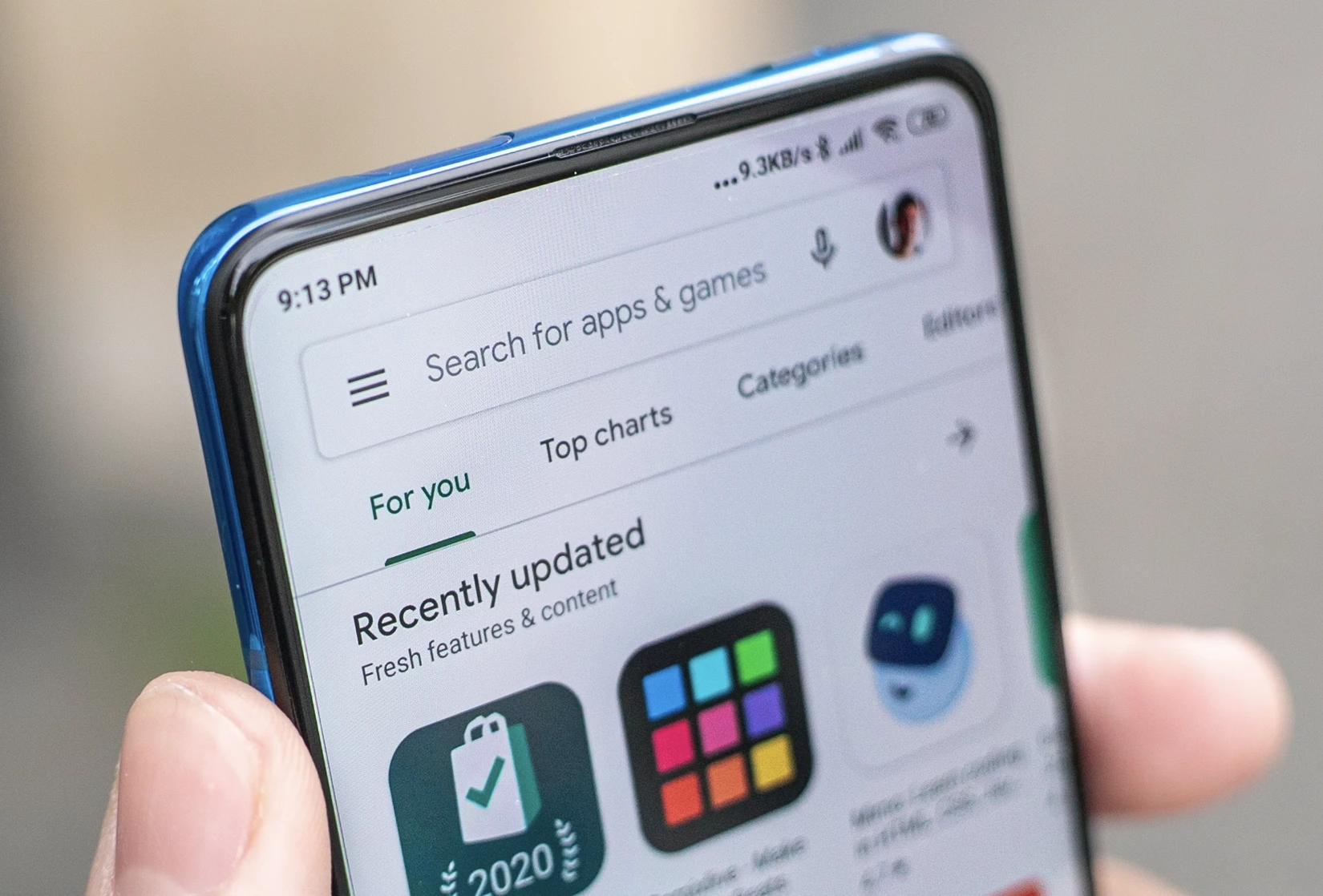
Image by Mika Baumeister, from Unsplash
Google Play’s Security: 2.36 Million Apps Blocked And 158,000 Developer Accounts Banned
- Written by Kiara Fabbri Former Tech News Writer
- Fact-Checked by Justyn Newman Former Lead Cybersecurity Editor
Google Play’s 2024 security update emphasizes the importance of AI-driven threat detection, developer compliance, and multi-layered protections to maintain a secure platform for users and developers alike.
In a Rush? Here are the Quick Facts!
- Over 1.3 million apps are restricted from accessing excessive user data in 2024.
- Google Play Protect scanned 200 billion apps daily to defend against mobile threats.
- Enhanced fraud protection blocked over 36 million risky installation attempts globally.
One of the key developments was the expanded use of AI to improve threat detection. AI now plays a central role in identifying harmful apps and streamlining the review process for developers.
Over 92% of human reviews for harmful apps are now AI-assisted, allowing for quicker identification and removal of apps that violate security standards.
In 2024, this approach helped prevent 2.36 million policy-violating apps from being published on Google Play and resulted in the banning of over 158,000 developer accounts attempting to distribute malicious apps.
Google also took steps to address privacy concerns, working with developers to limit unnecessary access to sensitive user data. In 2024, the company prevented 1.3 million apps from accessing excessive data and required greater transparency around data handling practices.
This included introducing new developer guidelines and a “Data Deletion” option, which gives users more control over the data apps collect and retain. To further bolster security, Google introduced tools to help developers protect their apps from fraud and abuse.
The Play Integrity API, for instance, allows developers to detect and prevent tampering and fraud within their apps, while the Google Play SDK Index provides insight into the security of third-party software development kits (SDKs) used by developers.
In addition to these measures, Google Play’s security protections, including Google Play Protect, continued to evolve. Play Protect scans apps for malicious behavior, not only within the Play Store but also on apps installed from external sources.
In 2024, Google Play Protect identified over 13 million new malicious apps from sources outside of the Play Store.
Google also worked with governments and industry partners to address broader security concerns. New fraud protection pilots, launched in nine countries, helped protect millions of devices from risky installation attempts.
Moreover, Google collaborated with organizations such as Microsoft and Meta to develop new security standards aimed at strengthening mobile app security across the industry.
Despite these advancements, Google acknowledges that maintaining a safe environment requires constant vigilance and collaboration with a range of stakeholders to adapt to new and evolving security challenges.

Image by Freepik
AI-Powered Robotic Restaurant Debuts At Barcelona Airport
- Written by Kiara Fabbri Former Tech News Writer
- Fact-Checked by Justyn Newman Former Lead Cybersecurity Editor
Barcelona Airport (BCN) has launched SELF, allegedly the world’s first AI-powered robotic restaurant at an airport.
In a Rush? Here are the Quick Facts!
- The restaurant covers 137m² and serves coffee, sandwiches, salads, and desserts.
- An advanced robotic arm handles up to six orders simultaneously.
- Customers place and pay orders via touchscreen, receiving QR code notifications.
Developed in partnership with Areas, a Spanish multinational specializing in food and beverage, the 137m² restaurant offers a variety of meals, including coffee, sandwiches, pastries, salads, pokes, and desserts, all served through automated systems designed to increase efficiency and improve customer experience, as first reported by International Airport Review (IAR).
The restaurant features a robotic arm capable of handling up to six orders simultaneously. Customers place and pay for their orders via a touchscreen, receiving a QR code for their meal.
AI technology, including machine vision, allows the system to optimize service in real time, ensuring faster and more accurate food preparation, says IAR.
SELF is the result of collaboration between Areas, Aena, and various strategic technology partners, such as MasterCard, Kuka, ICG, and brands like Coca-Cola and Lavazza. The system operates autonomously but works alongside human staff to manage inventory, optimize procurement, and enhance customer service, as reported by IAR.
However, as automated systems like SELF become more widespread, there are growing concerns about the implications for job losses. Many roles traditionally occupied by airport food service employees could be displaced by robotics and AI, especially in tasks like food preparation and order fulfillment.
As the industry embraces these technologies , it will be essential to address the potential impact on workers and explore retraining opportunities or alternative job placements to mitigate displacement. Balancing innovation with job security will be a key challenge in the evolving landscape of airport services.
