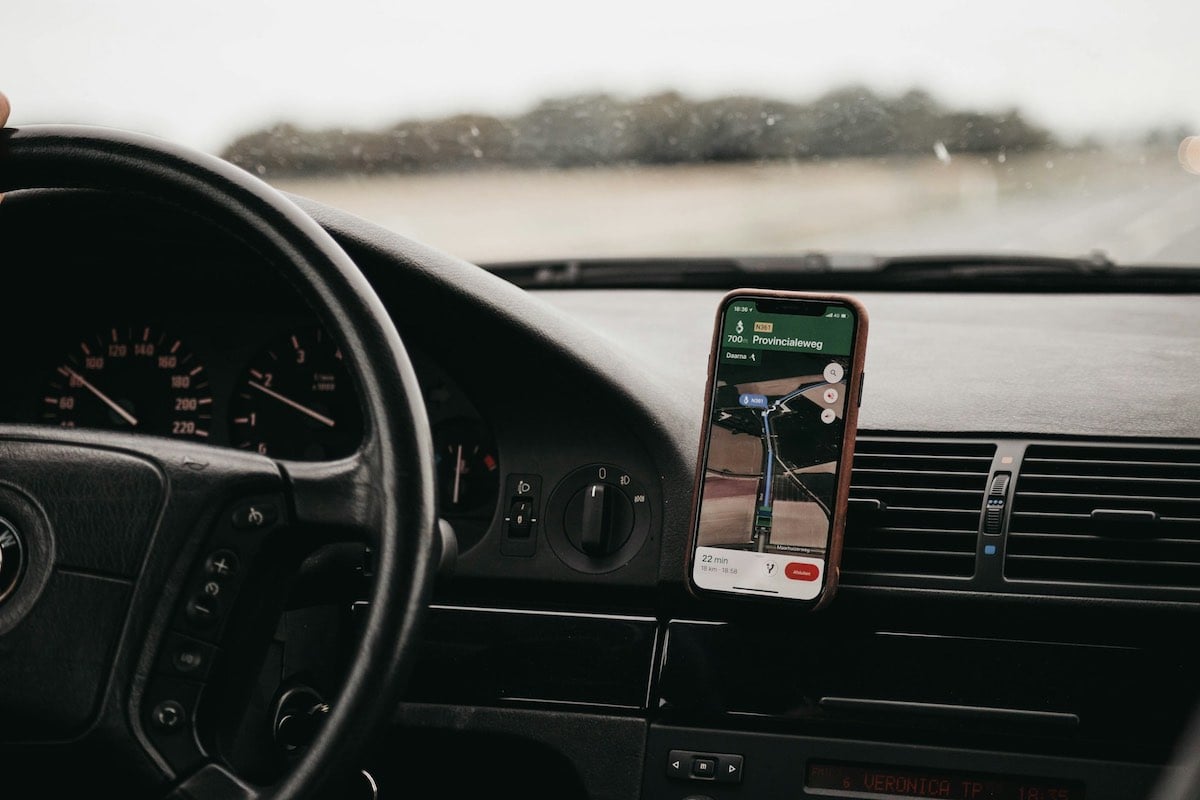
Photo by Isaac Mehegan on Unsplash
Google Maps Rolls Out Speed Limits On iPhones And CarPlay
- Written by Andrea Miliani Former Tech News Expert
- Fact-Checked by Justyn Newman Former Lead Cybersecurity Editor
Google Maps finally rolled out its speedometer and speed limit features on iPhones and CarPlay across the globe.
According to TechCrunch , this new update comes years after it was added for Android users, in 2019. Now Apple users can catch up and get the benefits of the speed limits visualizations.
Depending on the region, TechCrunch explains that users will get their speed in kilometers or miles after they start driving toward their destination. However, those interested in getting this information will probably need to adjust their settings.
Drivers can go to settings, then navigation, and adjust their driving options to see the speed indicators. Just like other navigation apps, Google Maps will let users know when they are driving over the speed limit by using different colors and alerts.
On its support page , google provides more information on this feature. “If the Speed Limits feature is available in your location, the speedometer in the app will let you know if you’re driving too fast. The speed indicator will change colors if you go over the speed limit,” states the site.
Google also warns users that the speedometer is just informational and that it might differ from the vehicle’s speedometer indicator. Drivers must compare and consider the most reliable source.
The update was first spotted in India and Google confirmed recently that it’s rolling it out globally. A few users on social media have reported spotting the new feature and shared their thoughts. “My Google Maps updated and now displays my current speed next to the speed limit – that’s a handy feature,” said one user on X. “Google Maps on iOS has finally started showing vehicle speed and speed limits on iOS. Noticed it yesterday,” added another one.
Google Maps on iOS has finally started showing vehicle speed and speed limits on iOS . Noticed it yesterday. pic.twitter.com/iSp1PbYfFO — Varun Krishnan (@varunkrish) July 10, 2024
Google Maps has announced other new features this year like using AI to improve search for charging stations for electric vehicles and travel recommendations also powered by AI.
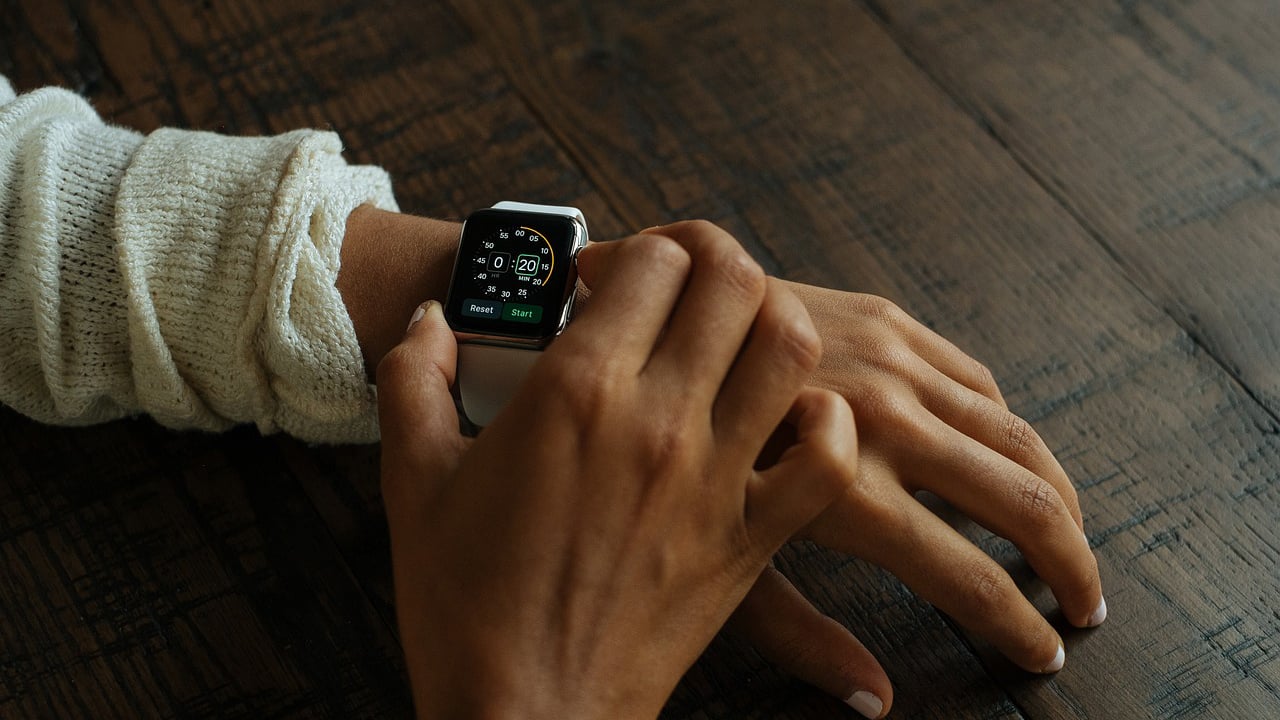
Image by fancycrave1, from Pixabay
New Bioelectrode Material Makes Wearable Tech More Comfortable
- Written by Kiara Fabbri Former Tech News Writer
- Fact-Checked by Justyn Newman Former Lead Cybersecurity Editor
Researchers at Tokyo Institute of Technology have developed a new type of bioelectrode material for wearable devices. This material is a breakthrough because it’s both stretchy and breathable, allowing it to comfortably hug the skin during long-term use. This innovation fixes key problems with current bioelectrode materials, paving the way for more comfortable and effective wearables in healthcare and fitness.
The industry of wearable devices that track our health is steadily growing. It is expected to grow at a CAGR of 16.60% from 2023 to 2032. However, the materials used in these devices, like metals and gels, aren’t ideal. They can be stiff and uncomfortable to wear for long periods, and they can trap sweat leading to irritated skin and skewed readings. That’s why scientists are looking for better bioelectrode materials.
In their recent paper the research team led by Assistant Professor Tatsuhiro Horii and Associate Professor Toshinori Fujie from Tokyo Institute of Technology (Tokyo Tech) detailed their new nanosheet. They created a new bioelectrode material that stretches with the skin, lets sweat pass through, and sits snugly for accurate biosignal readings. This innovative material combines a network of conductive single-walled carbon nanotubes with a stretchy poly (styrene-b-butadiene-b-styrene) base.
Rigorous testing confirmed the material’s resilience for long-term wear. The bioelectrodes withstood soaking in artificial sweat, repeated bending, and rubbing, demonstrating their suitability for extended use.
This innovation marks a significant leap for wearable health tech. Extensive research has already shown the promise of wearables in healthcare, with applications constantly expanding.
For instance, a recent research review highlighted the potential of smartwatches in healthcare. These devices hold promise for early detection, prevention, and improved management of various medical conditions. Indeed, smartwatches can track sleep patterns to predict potential schizophrenia episodes, aiding in relapse prevention. Additionally, they can provide continuous data on movement patterns for Parkinson’s disease management, monitoring aspects like arm swing, tremor duration, and finger tapping.
This new bioelectrode material is a key piece of the puzzle, enabling more comfortable and accurate data collection, further unlocking the potential of wearables to revolutionize healthcare.
