
Glassdoor Adding Real Names to User Profiles Without Consent
- Written by Deep Shikha Content Writer
- Fact-Checked by
On March 20, Ars Technica reported that Glassdoor, known for its “anonymous workplace reviews”, is now controversially adding real names to profiles by gathering data from public sources without consent from the user.
Monica, who’s been using Glassdoor for 10 years, revealed in a blog post published on March 12 that her name and city were added to her profile without her permission, despite never providing her name at sign-up. This happened after she chatted with customer support over an account issue.
In her blog, Monica urged others to delete their Glassdoor accounts. She also warned that Glassdoor would add real names to accounts without consent and criticized the company for ignoring the risks this poses to users’ relationships with their employers and for violating its own privacy policies.
In a statement to Wired , Glassdoor’s Vice President Amanda Livingood explained that users have the option to remain anonymous on both Glassdoor and Fishbowl, allowing them to choose how much of their identity, such as their company name or job title, to reveal while using the services.
Glassdoor also assured Monica that her reviews would remain anonymous and neither employers nor anyone else could access her profile details. Despite this, Monica decided to delete her account. Later, she learned deleting her Glassdoor account would only deactivate it, and that her personal information will remain in archives. The support team told her that data deletion could take 30 days.
Aaron Mackey, a lawyer at the Electronic Frontier Foundation (EFF), told Ars Technica that Glassdoor’s policy of storing real names raises privacy concerns. The EFF, which has a history of defending Glassdoor users against retaliation from employers, sees an increased risk of users being identified from their reviews if the data were to leak.
According to Mackey, this shift in policy has alarmed users, including Monica, who are concerned about the potential for privacy breaches.
Glassdoor’s actions have highlighted a critical discussion on privacy, emphasizing the urgent need for clearer consent and stronger protections. This controversy sheds light on the growing demand for transparency and user consent in digital policies.
Nvidia Says Its Latest AI Chips Will Be Affordable
- Written by Elijah Ugoh Cybersecurity & Tech Writer
- Fact-Checked by
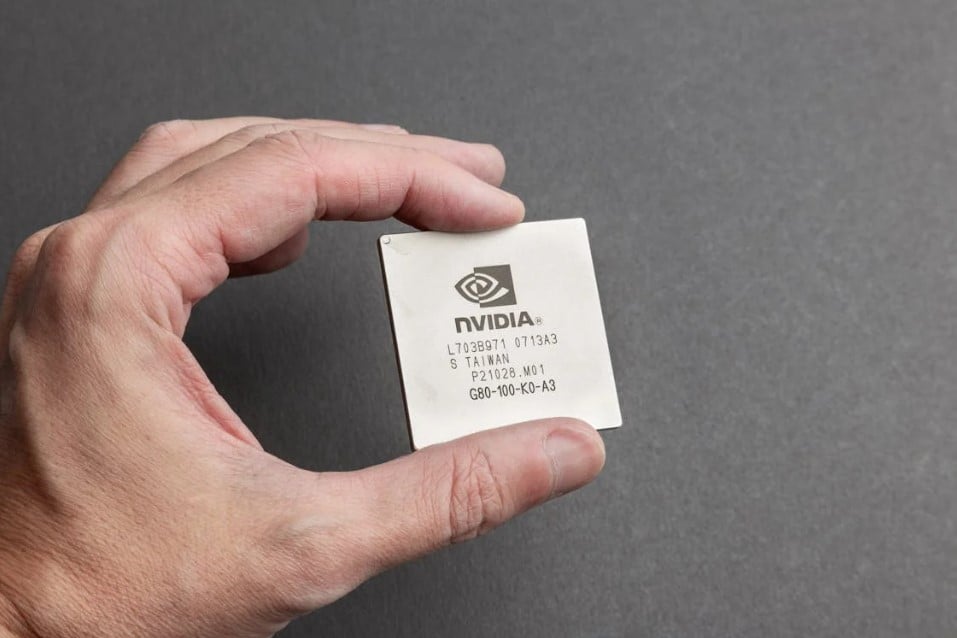
Nvidia’s next-gen AI chips will be affordably priced to capture a wider customer base, Nvidia’s CEO Jensen Huang said in a speech he delivered at the “AI Woodstock” conference last Tuesday.
Nvidia is one of the leading providers of AI chips, which are used in data centers around the world today. Huang revealed at the conference last Tuesday that there’s about $1 trillion of the tech installed in data centers globally, reported the Wall Street Journal .
Nvidia’s new set of chips is codenamed Blackwell and will be priced to capture a large portion of new spending in data centers, according to Huang. This move comes amid soaring demand for its AI chips, with the previous generation, called Hopper chips, experiencing supply shortages due to high demand.
Huang said in an interview on CNBC last Tuesday that the new chips would cost between $30,000 and $40,000, which is less than what analysts had expected. The company disclosed that its chips are mostly supplied to major cloud-computing companies, which accounted for over $9.2 billion of sales in its latest fiscal year .
Nvidia makes various types of equipment and software for data centers, ranging from GPUs to networking chips and central processing units. According to the Wall Street Journal, Huang told reporters at the conference that global spending on these pieces of equipment reached around $250 billion last year, growing about 20% a year.
“Our percentage of $250 billion will likely be higher than in the past,” Huang said. As the company continues to expand its offerings to data centers, particularly by making its next-generation AI chips more affordable, it is expected that it will make competition tougher for rivals like Advanced Micro Devices (AMD) and Arm Holdings.
“Every generation our market is growing, and we want to make the entire market afford a Blackwell,” Huang added. The Wall Street Journal also reported that the company’s market value surpassed $2 trillion in February, making it the U.S.’s third-largest listed company after Microsoft and Apple.
It noted that as Nvidia is making more waves in the AI market, its success has lifted some of its partners, such as the server maker Super Micro Computer. Super Micro shares have risen more than three times this year already.
