
Photo by Bermix Studio on Unsplash
French Startup Alan Launches AI Assistant For its Clients
- Written by Andrea Miliani Former Tech News Expert
In a Rush? Here are the Quick Facts!
- Alan launched an AI assistant called Mo for its 680,000 users
- Patients will get AI answers and feedback from real doctors within just a few minutes
- French unicorn Alan recently reached a $4.5B valuation.
Alan, the French startup specializing in health insurance, announced this morning multiple product updates during a conference, including a new AI assistant called Mo.
According to TechCrunch , Alan has been using advanced technology for its services to go beyond insurance coverage, like a feature that allows clients to ask a doctor a question and get an answer in about 15 minutes, and now the company is taking leverage of the AI boom—understanding the risks in the health industry.
“Mo rephrases my question, introduces itself, and asks if I want to start with Mo or if I want to talk to a doctor,” said Alan’s AI lead Antoine Lizée. Users have the option and Alan explained that doctors would still review the content provided by the AI within just a few minutes. The health professionals will be able to correct or include more advice, and patients will get feedback on the response to their queries.
The startup is allowing Mo to reach its 680,000 users and will make improvements depending on the interactions and user experience.
“This is just the beginning. Our vision for Mo goes beyond that. Our vision is to make it a health companion that understands your context and your health history,” Lizée said.
During the conference, Alan also revealed new features like an online shop with multiple products, like supplements and baby-related goods, and a gamification feature to fight sedentary lifestyles, Alan Walk, to track steps and unlock berries (game tokens) for prizes.
Alan is one of the top French unicorns in the health industry. The startup recently raised €173 million and reached a $4.5B valuation .
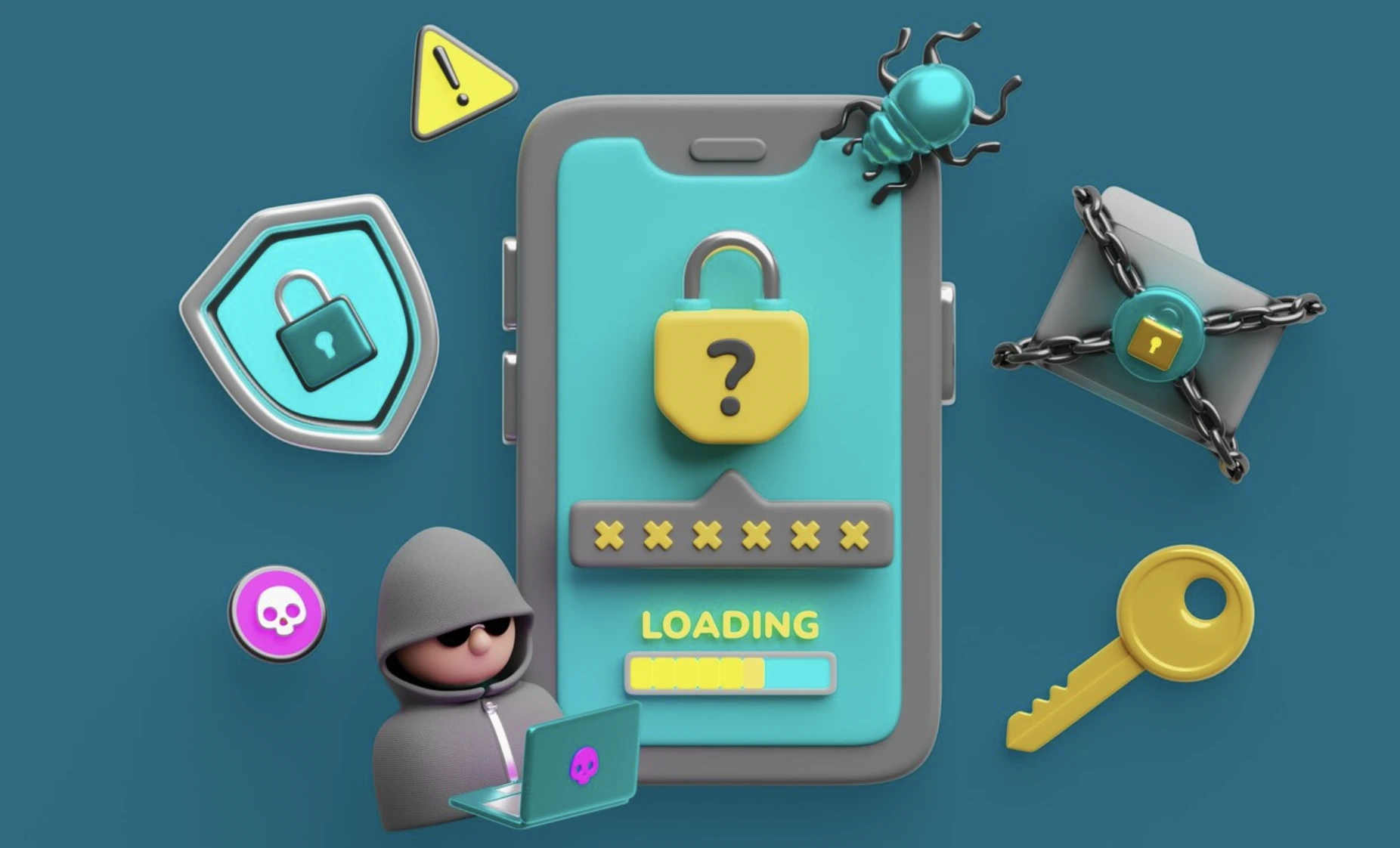
Image by Freepik
New FakeCall Malware Controls Devices Via Deceptive Call Techniques
- Written by Kiara Fabbri Former Tech News Writer
- Fact-Checked by Sarah Frazier Former Content Manager
In a Rush? Here are the Quick Facts!
- FakeCall is a new variant of Android malware using voice phishing.
- Victims are tricked into calling fraudulent numbers controlled by attackers.
- The malware captures sensitive information like SMS, contacts, and locations.
Cybersecurity researchers have recently uncovered a new variant of the notorious Android malware family known as FakeCall. This malicious software employs advanced voice phishing techniques to deceive users into revealing sensitive personal information.
In their recent report the researchers explain how FakeCall employs a technique known as vishing (voice phishing), in which fraudulent phone calls or voice messages are used to deceive victims into disclosing sensitive information, such as login credentials, credit card numbers, or banking details.
Vishing is a form of “mishing,” a term that encompasses mobile-targeted phishing techniques, increasingly used by attackers to exploit the unique features of mobile devices, including voice calls, texting (SMS), and cameras. FakeCall is an extremely sophisticated type of vishing that leverages malware along with these fraudulent calls.
Additionally, the report explains that smishing refers to deceptive SMS messages that lure victims into clicking on malicious links or sharing sensitive data.
Quishing exploits mobile cameras to deliver phishing attacks through malicious QR codes. Email-based mobile phishing consists of phishing emails specifically designed to be effective only when accessed through a mobile email client, as noted on the report.
Fernando Ortega, one of the researchers who uncovered this, highlighted the seriousness of this threat in the report. He described FakeCall as “an extremely sophisticated vishing attack” that can take nearly complete control of a mobile device.
This includes intercepting both incoming and outgoing calls, effectively putting the attacker in charge of the user’s communication.
Victims are tricked into calling fraudulent numbers controlled by the attacker. The malware mimics a normal user experience, making it harder for individuals to recognize they are being deceived.
By using accessibility services, similar to other Android banking malware, FakeCall captures information displayed on the screen and requests additional permissions to operate effectively.
The spyware capabilities of FakeCall are alarming. It can collect a wide array of personal data, such as SMS messages, contact lists, locations, and the apps installed on the device. It even has the ability to take photos, record video streams using the device’s cameras, and manage contacts by adding or deleting them.
Additionally, FakeCall can capture audio snippets and upload images, using the MediaProjection API to create a video stream of the device’s activities.
One of the most dangerous features of this new version is its instruction for users to set the malware as the default dialer app. This change allows FakeCall to monitor all incoming and outgoing calls.
By intercepting these calls, the malware can modify dialed numbers, such as those for banking institutions, redirecting victims to numbers controlled by the attacker. This tactic lures users into taking unintended actions, leading to potential financial loss or identity theft.
Previous iterations of FakeCall prompted users to call their banks from within the malicious app, disguising itself as a financial institution offering enticing loan options. However, this latest version’s capability to modify call information makes it significantly more dangerous, as noted by The Hacker News .
The emergence of FakeCall serves as a warning for mobile users to remain vigilant. With the rise of such sophisticated attacks, individuals must be cautious about unsolicited calls and messages and should verify the identity of anyone requesting personal information.
Cybersecurity experts recommend installing reliable security software on devices and keeping operating systems updated to protect against evolving threats.
