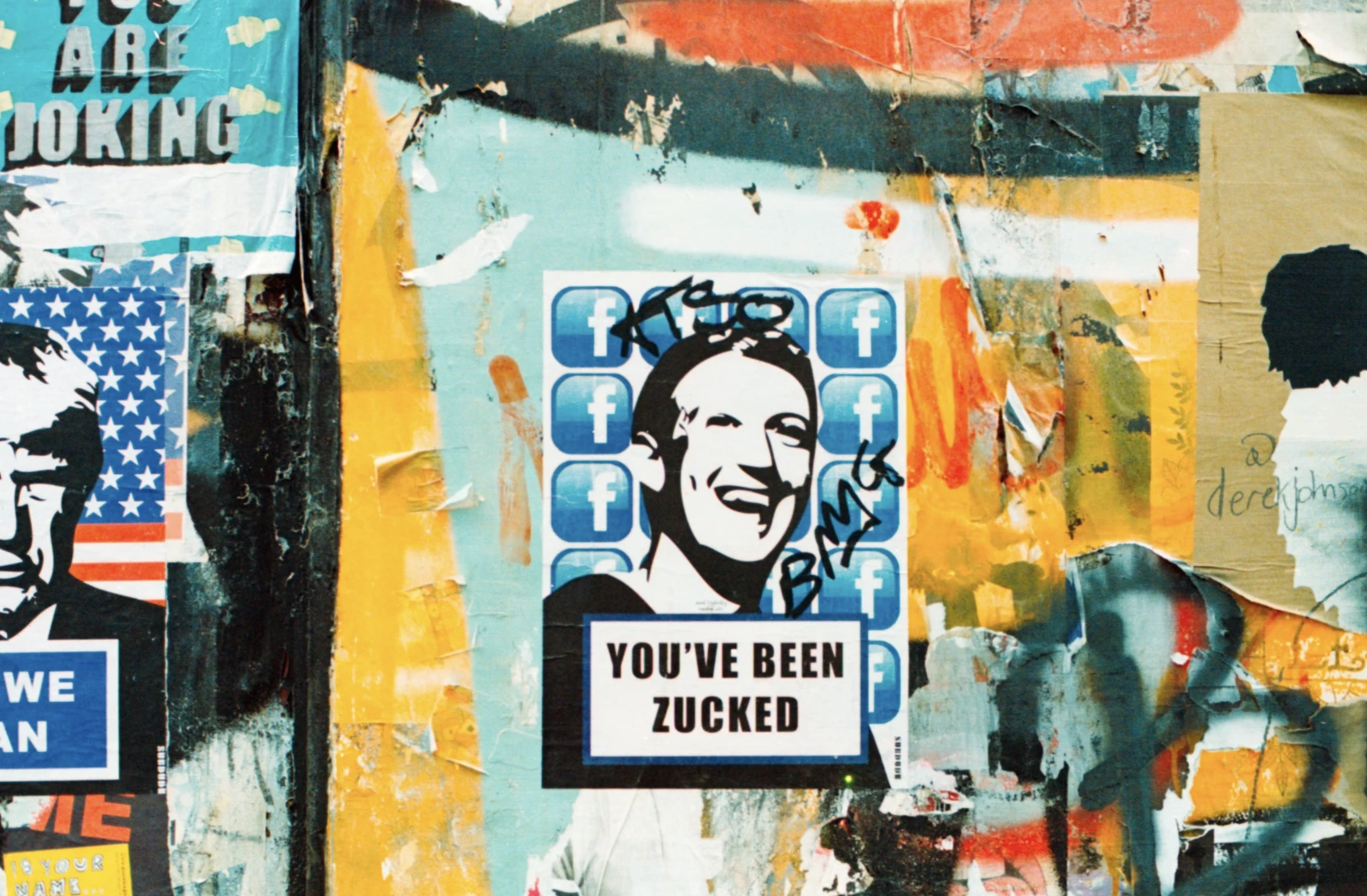
Image by Annie Spratt, from Unsplash
Former Meta Insider Accuses Zuckerberg Of Power Abuse
- Written by Kiara Fabbri Former Tech News Writer
- Fact-Checked by Sarah Frazier Former Content Manager
Sarah Wynn-Williams, a former Facebook director, has released a scathing memoir, Careless People, portraying Mark Zuckerberg and Meta’s leadership as reckless and power-hungry.
In a Rush? Here are the Quick Facts!
- Meta sued to block book sales, citing a non-disparagement agreement.
- Wynn-Williams accuses Mark Zuckerberg of dishonesty and reckless leadership.
- She claims Meta ignored human rights concerns and silenced dissenting employees.
The book, subtitled A Cautionary Tale of Power, Greed, and Lost Idealism, offers an insider’s account of a company she claims abandoned its original values while cozying up to authoritarian regimes and mishandling crises, as reported by the Financial Review (FR).
Meta quickly responded by taking legal action to block Wynn-Williams from selling and promoting the book, citing a non-disparagement agreement. However, the order does not extend to her publisher, Flatiron Books, as noted by Sfgate .
Meta spokesperson Erin Logan dismissed the memoir as “a mix of out-of-date and previously reported claims” and called it “defamatory,” while Flatiron stated the book had been thoroughly vetted, as reported by Sfgate.
Wynn-Williams, who joined Facebook in 2011 and was fired in 2017, accuses Zuckerberg of being unaccountable, out of touch, and even dishonest. She claims he lied during a 2018 Senate hearing on data privacy and downplayed Facebook’s dealings with China, as reported by FR.
She also describes his admiration for former U.S. president Andrew Jackson, saying he once declared Jackson was “America’s best president,” as reported by Sfgate.
The book alleges Zuckerberg lives in a bubble, recounting an incident where he forgot his passport before a trip to Peru and blamed others. She also describes an awkward board game session where he accused her of cheating after losing, reported Sfgame.
Following a meeting with then-President Barack Obama about Facebook’s role in misinformation, Zuckerberg reportedly brooded during the flight home and started plotting a U.S. tour, resembling a political campaign, before suggesting that Facebook could reshape the news ecosystem, as noted by Sfgate.
“You’d hope that people who amass the kind of power Facebook has would learn a sense of responsibility, but they don’t show any sign of having done so,” she writes, as reported by Sfgate.
“The more they see the consequences of their actions, the less of a f—k Mark and Facebook’s leadership give,” she added.
Wynn-Williams also criticizes former COO Sheryl Sandberg, claiming the workplace culture under her was so demanding that she sent talking points while in labor. She alleges open dissent wasn’t tolerated, saying that workers actively hid bad news or situations in fear of being punished, as reported by Sfgate.
Joel Kaplan, now Meta’s head of global policy, is depicted as blocking human rights efforts in Myanmar, where Facebook was accused of enabling violence against Rohingya Muslims, as reported by FR.
Adding to Meta’s growing criticism, the company is facing backlash over a recent wave of layoffs. Meta laid off 3,600 employees, with many accusing the company of unfairly targeting workers on parental and medical leave .
Employees described a tense and unpredictable work environment. Some alleged they were let go while on approved leave, raising concerns about the fairness of the process. “[I] consistently exceeded expectations multiple years, had a baby in 2024, got laid off,” one former employee claimed
Zuckerberg has called 2023 the “year of efficiency,” a trend continuing into 2025. While Meta’s stock has surged 60% this year due to strong digital ad revenue, critics argue the layoffs may signal a broader shift toward AI-driven workforce reductions.
Despite Meta’s efforts to downplay her claims, Careless People has ignited debate over the company’s handling of power, ethics, and accountability.
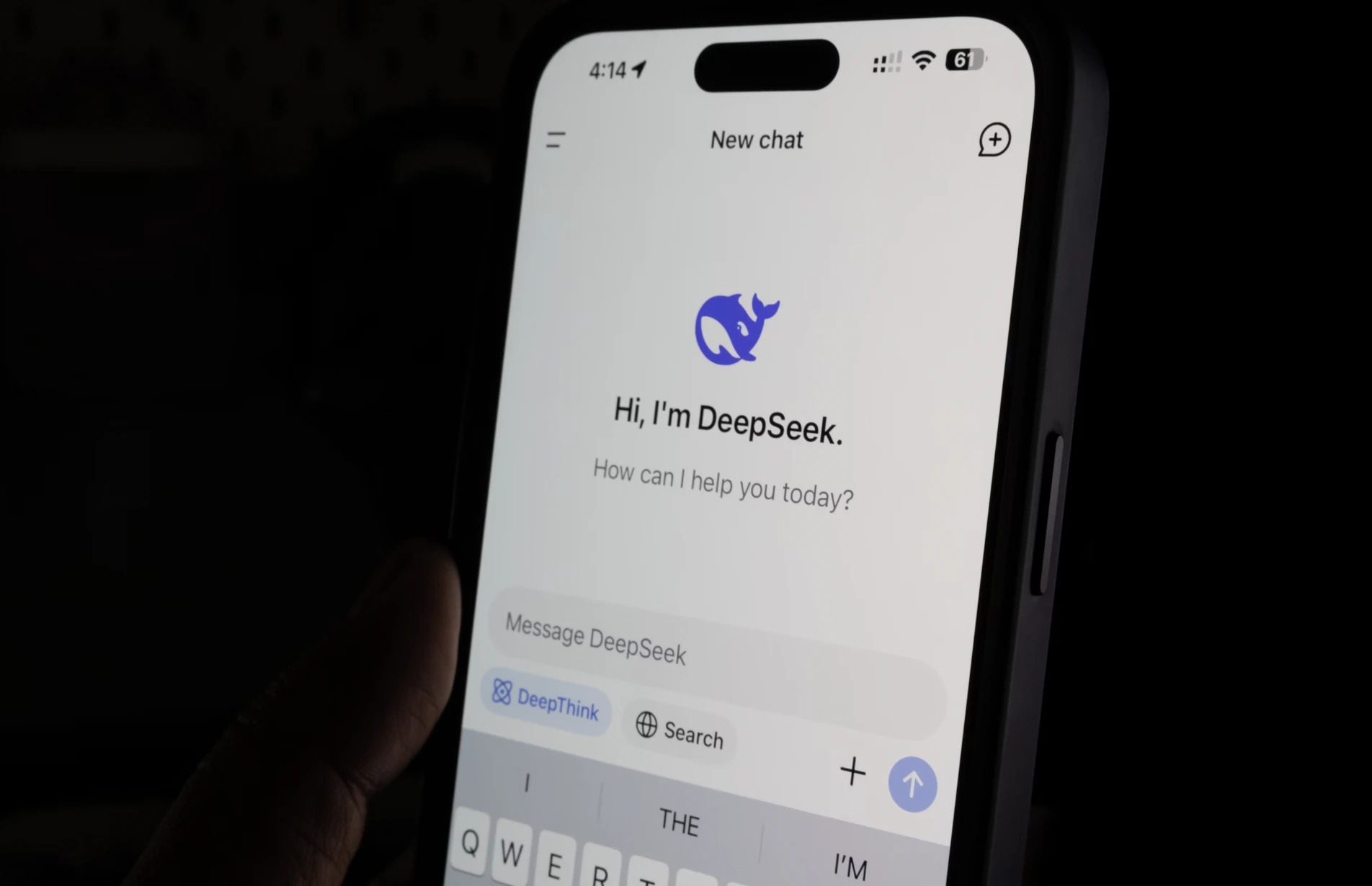
Image by Solen Feyissa, from Unsplash
Fake DeepSeek AI App Spreads Banking Trojan
- Written by Kiara Fabbri Former Tech News Writer
- Fact-Checked by Sarah Frazier Former Content Manager
A new Android banking trojan, OctoV2, is spreading under the guise of the popular AI chatbot DeepSeek, cybersecurity researchers at K7 warn .
In a Rush? Here are the Quick Facts!
- The malware spreads via a phishing site mimicking DeepSeek’s official platform.
- It installs two malicious apps, one acting as a parent and the other a child.
- The malware uses Accessibility Service permissions to control infected devices.
The malware tricks users into installing a fake DeepSeek app, which then steals login credentials and other sensitive data.
The attack starts with a phishing website, which closely mimics DeepSeek’s official platform. When users click the link, a malicious APK file named DeepSeek.apk is downloaded to their device.
Once installed, the fake app displays an icon identical to the real DeepSeek app, making it difficult to detect. Upon launch, it prompts users to install an “update.” Clicking the update button enables the “Allow from this source” setting, allowing a second app to install itself.
This results in two instances of the malware being installed on the victim’s device—one acting as a parent app (com.hello.world) and the other as a child app (com.vgsupervision_kit29).
The child app then aggressively requests Accessibility Service permissions, continuously displaying the settings page until the user grants access. Once enabled, the malware gains extensive control over the device.
Security researchers at K7 Labs found that the malware uses advanced evasion techniques. Both the parent and child apps are password-protected, making it difficult to analyze them with traditional reverse engineering tools. The parent app extracts a hidden “.cat” file from its assets folder, renames it “Verify.apk,” and installs it as the child package.
Once active, the malware scans the victim’s device for installed applications and transmits the data to a Command and Control (C2) server. It uses a Domain Generation Algorithm (DGA) to communicate with its operators, allowing it to evade domain blacklisting.
Experts warn users to be cautious when downloading apps. “Always use trusted platforms like Google Play or the App Store,” advises K7 Labs. Keeping devices updated and using reputable mobile security software can help detect and block such threats.
