Photo by Jeff Fitlow for Rice University
Flexible Electrodes Allow Recording of Spinal Activity During Movement
- Written by Kiara Fabbri Former Tech News Writer
- Fact-Checked by Justyn Newman Former Lead Cybersecurity Editor
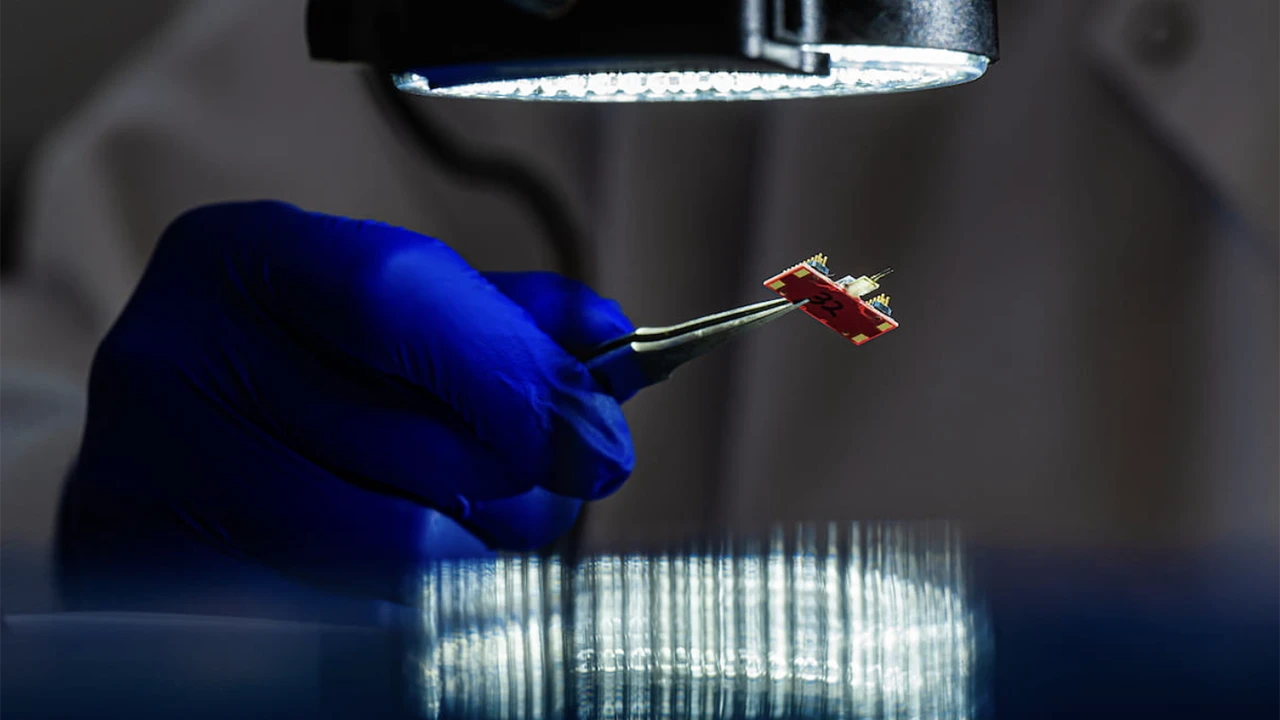
This week, Cell Reports published a study on a new technology for recording the activity of neurons in the spinal cord of mice during movement. This technology, called a spinalNET , is a flexible electrode that can be implanted in the mouse’s spine. Because the spinalNET is flexible, it can move with the spinal cord during movement. This allows researchers to record neural activity in freely behaving animals.
Traditionally, studying the activity of spinal cord neurons has been difficult because the spinal cord moves during movement. Existing techniques based on implanted rigid sensors either damage the spinal cord or cannot capture the activity of individual neurons during movement.
“Up until now, the spinal cord has been more or less a black box […] The issue is that the spinal cord moves so much during normal activity. Every time you turn your head or bend over, spinal neurons are also moving.” Said , Lan Luan, a corresponding author on the study and an associate professor of electrical and computer engineering.
To solve this issue, the research team at Rice University, led by Yu Wu, developed the spinalNET. The electrodes in this method are over a hundred times thinner than a human hair and are almost as soft and flexible as the neural tissue itself. Because of this, they can move with the spinal cord during movement.
With spinalNET, researchers were able to record neuronal activity in the spinal cord for prolonged periods and with great resolution, even tracking the same neuron over multiple days .
This technology has the potential to significantly improve our understanding of how the spinal cord controls movement. By studying the activity of spinal cord neurons during natural behaviors, researchers can gain insights into how these neurons work together to generate coordinated movements. This knowledge could lead to the development of new treatments for spinal cord injuries and diseases that impair movement.
“Being able to extract such knowledge is a first but important step to develop cures for millions of people suffering from spinal cord diseases,” said Yu Wu on Rice University News.
The researchers also acknowledge some current limitations of spinalNet. For instance, the number of neurons that can be recorded is limited by the number of electrodes. Additionally, the recordings can degrade over time.
Future studies should focus on improving the long-term stability of the recordings and increasing the number of recording channels.
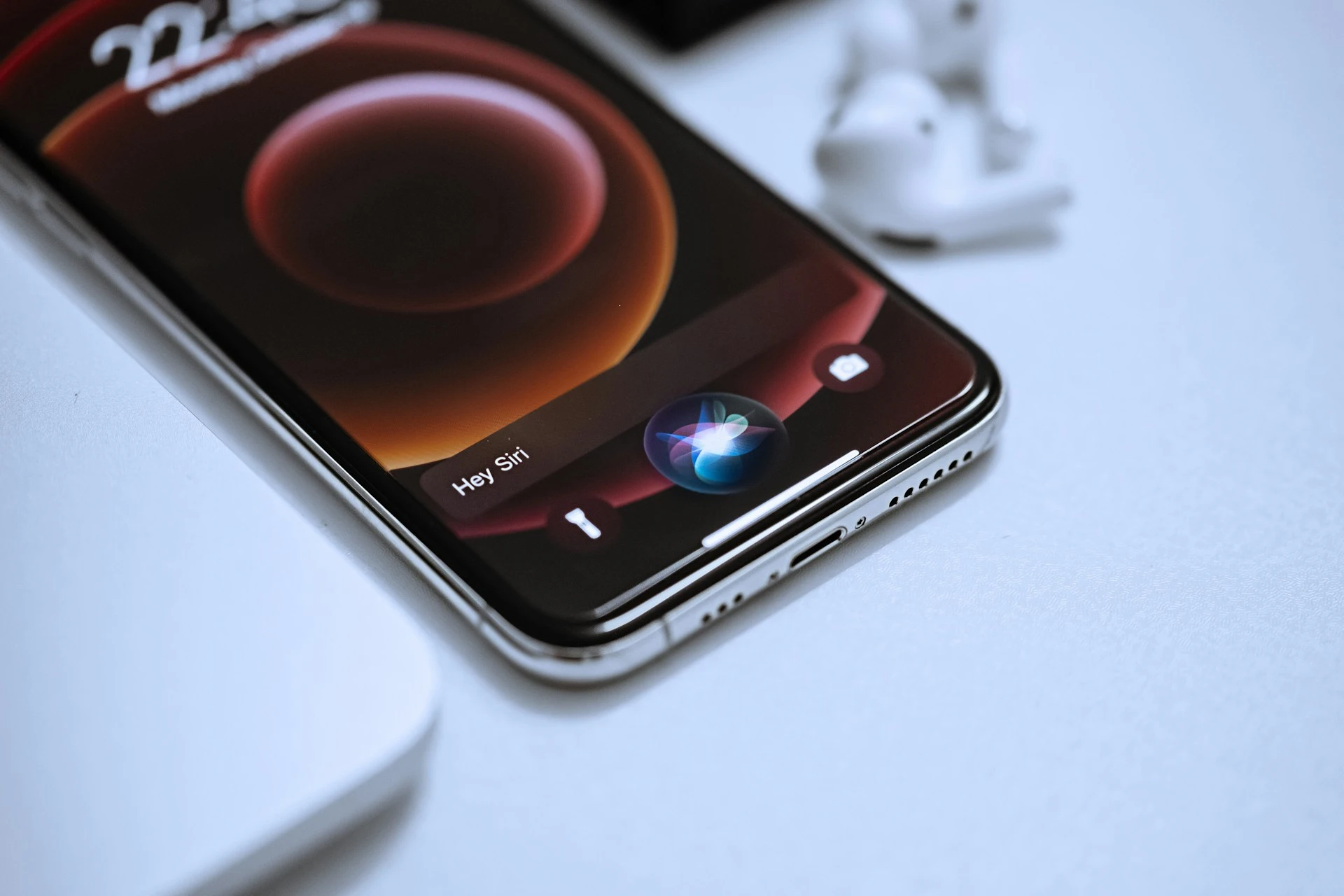
Photo by Omid Armin on Unsplash
Apple Releases Beta Version of Upcoming iOS 18
- Written by Andrea Miliani Former Tech News Expert
- Fact-Checked by Justyn Newman Former Lead Cybersecurity Editor
- Reader’s Comments 1
According to CNBC , the current beta version does not include “Apple Intelligence”—the new big AI technology—, Siri’s upgrades nor the ChatGPT integration announced during the Worldwide Developers Conference (WWDC) last month.
However, there are other new features Apple customers can test before the official release like a new control center, updates in the interface, screen customizations, a new redesign in the Photos app, new features for the iPhone flashlight, and more.
Users have already shared their thoughts, experiences, and bugs found on social media. Multiple users have admired the new flashlight features and the new redesign options.
OK this new flashlight UI in iOS 18 beta 3 has absolutely no right to go this hard. Too cool pic.twitter.com/vIyaiBYyHp — Sebastiaan de With (@sdw) July 8, 2024
A few users have also spotted a few bugs like difficulties unlocking the screen when rotating the phone, notifications not showing on the locked screen, and more. Those who prefer more stable software are advised to wait for the official release in the fall.
According to CNET , to download the new iOS 18 beta on iPhone, members of Apple’s Beta Software just have to go to Settings, General, click on Software Update to reveal options, and choose “iOS 18 Public Beta.” The new updates show a message: “iOS beta gives you an early preview of upcoming apps, features, and technologies. Please back up your iPhone before you install the beta.” After downloading it, and a reboot, users can access the new features.
The new update will be available for iPhones from iPhone SE—second generation and later—to iPhone 15 Pro Max, and the upcoming iPhone 16. But Apple Intelligence will be exclusive for iPhone 15 Pro and 15 Pro Max.
