
Image by Freepik
First Known Case Of AI Chatbots Used For Stalking
- Written by Kiara Fabbri Former Tech News Writer
- Fact-Checked by Justyn Newman Former Lead Cybersecurity Editor
James Florence, 36, has agreed to plead guilty to a seven-year cyberstalking campaign that involved using an AI chatbots to impersonate a university professor and invite strangers to her home for sexual encounters.
In a Rush? Here are the Quick Facts!
- James Florence used AI chatbots to impersonate a professor and cyberstalk her.
- Florence stole the victim’s underwear and used it to harass her online.
- He fed personal info to chatbots, including the professor’s home address and intimate details.
Florence, from Massachusetts, used platforms such as CrushOn.ai and JanitorAI to create personalized chatbots that mimicked the professor’s responses and led users to believe they were communicating with her, as reported by The Guardian .
According to court documents reviewed by The Guardian, Florence used the professor’s personal and professional information—such as her home address, date of birth, and family details—to instruct the chatbots to engage in sexually explicit conversations.
The AI bots were programmed to confirm sexual preferences and even provide intimate details about the victim. Florence, who had stolen underwear from the professor’s home, fed the bots information about her clothing choices and directed them to encourage users to visit her house.
The case, filed in Massachusetts federal court, marks a significant legal precedent as the first known instance of a stalker using AI to impersonate their victim to facilitate harassment, said The Guardian. Florence is set to plead guilty to seven counts of cyberstalking and one count of possession of child pornography.
Stefan Turkheimer, vice-president for public policy at Rainn, an anti-sexual-violence nonprofit, described the case as highlighting a disturbing new trend in the misuse of AI.
“This is a question of singling out someone for the goal of potential sexual abuse,” he said, reported The Guardian. “The tools that he’s been able to use here really made the damage so much worse,” he added.
Florence, who was once a friend of the professor, went beyond creating chatbots. He made fake social media accounts and websites to impersonate the victim, distributing explicit, manipulated images of her along with personal details, reported The Guardian.
Platforms like Craigslist, Reddit, X, and Linktree were used to humiliate the professor and distribute the fabricated content. One website, ladies.exposed, featured photo collages of the professor alongside her home address and phone number, as reported by The Guardian.
These actions extended over several years, beginning in 2017. The professor received dozens of disturbing messages and calls, including a voicemail falsely claiming that her father had died in a car accident, as reported by The Guardian.
The victim and her husband became increasingly concerned for their safety, eventually installing surveillance equipment in their home and taking other precautions.
The harassment did not stop with the professor. Florence targeted several other women and a 17-year-old girl, digitally altering their images to create sexually suggestive content.
This alarming trend of using AI for harassment is a growing issue, with reports showing that minors are also being exploited in this way.
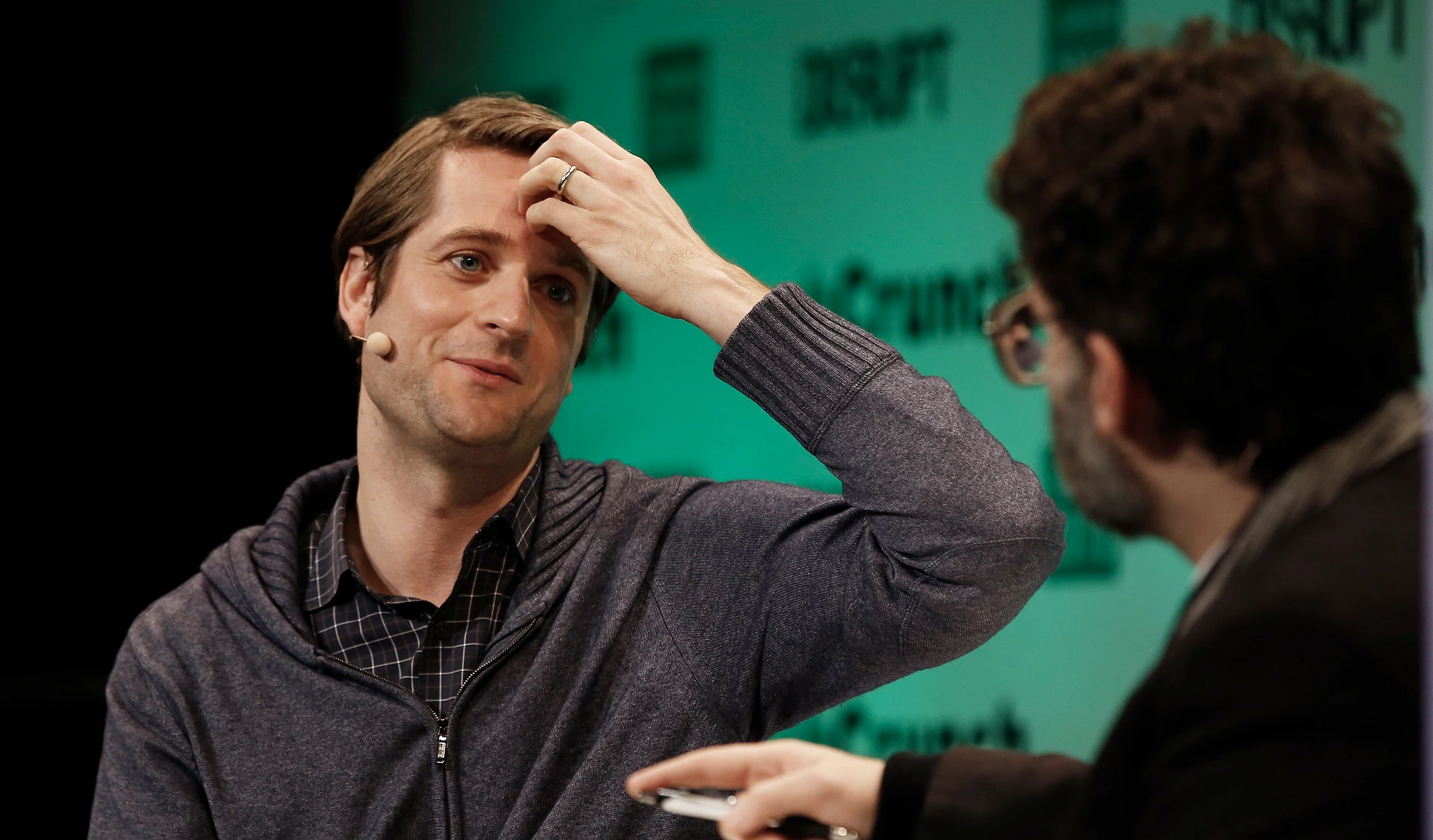
Image by TechCrunch, from Flickr
Klarna CEO Pushes AI As A Replacement For All Human Jobs
- Written by Kiara Fabbri Former Tech News Writer
- Fact-Checked by Justyn Newman Former Lead Cybersecurity Editor
Klarna CEO Sebastian Siemiatkowski has been outspoken about the transformative impact of AI on business, particularly in automating tasks traditionally handled by humans.
In a Rush? Here are the Quick Facts!
- Klarna saves $10 million annually by automating marketing and customer service.
- AI chatbot replaced 700 customer service agents, resolving cases faster than humans.
- Klarna’s workforce, previously 5,000, expected to shrink to 2,000 due to AI.
While many executives express more cautious optimism about AI’s potential to free up workers for higher-value tasks, Siemiatkowski has taken a bolder stance, suggesting that AI is capable of doing all the jobs that humans currently perform, as noted in a report by The New York Times .
In 2023, Siemiatkowski told Bloomberg that AI has allowed Klarna to save significant amounts, including an estimated $10 million annually by automating its marketing and customer service operations.
Klarna’s AI-powered chatbot has taken over the work of 700 customer service agents, resolving cases on average nine minutes faster than human agents, as reported by The Times.
Siemiatkowski’s commitment to AI extends to even more surprising areas, such as having an AI version of himself announce the company’s third-quarter results in 2023, signaling that no role is immune to automation.
Despite this, he does not buy into the common narrative that AI will simply enable workers to focus on more engaging tasks. In a podcast interview, he expressed skepticism about the prospect of AI creating new job opportunities for those displaced, particularly referencing professional translators whose work is being replaced by AI, as noted by The Times.
As of September 2023, Klarna had ceased hiring, with Siemiatkowski suggesting that the company’s workforce, which had been around 5,000, would eventually shrink to about 2,000 as a result of AI adoption, reported the Times.
This reduction has drawn attention, especially given Klarna’s significant shift in operations. While the company did continue hiring for essential roles, such as engineering positions, it was clear that automation was taking precedence.
Siemiatkowski’s perspective on AI and automation has sparked some controversy. For example, when Klarna announced its use of AI to reduce the need for photographers, the reaction online was notably negative, reported The Times.
His candidness about AI’s impact on jobs contrasts with more conventional corporate narratives, which tend to emphasize AI’s ability to augment human work rather than replace it.
The CEO’s bold claims may stem from a desire to rebuild Klarna’s image after its valuation dropped dramatically in 2022. Once a darling of Silicon Valley, Klarna had seen its market valuation plummet from $45.6 billion in 2021 to just $6.7 billion, as reported by The Times.
In response, Siemiatkowski has pushed Klarna’s AI narrative aggressively, seeking to capture the attention of investors and the media. Indeed, Siemiatkowski’s hiring claims may have been exaggerated, says The Times.
TechCrunch found over 50 job openings at Klarna, more than a year after the hiring freeze was announced. In other words, his promotion of AI ppears to be as much about the company’s image as it is about the technology itself.
