
Image by Ron Lach, from Pexels
Firefly Video Model: Adobe’s New AI Tool
- Written by Kiara Fabbri Former Tech News Writer
- Fact-Checked by Justyn Newman Former Lead Cybersecurity Editor
In a Rush? Here are the Quick Facts!
- The model features Text-to-Video and Image-to-Video capabilities for efficient editing.
- It includes tools for creating B-roll and controlling camera angles.
- Adobe emphasizes responsible AI with trained models on licensed and public domain content.
Adobe announced today that it has expanded its Firefly family of generative AI models to include video, introducing the Firefly Video Model . This new feature enables creative professionals to generate high-quality video clips from text prompts, images, or existing footage.
The Firefly Video Model is available in limited public beta, allowing a select group of users to provide initial feedback and shape the model’s development
The Adobe Firefly Video Model introduces several features aimed at streamlining video production for professionals. One key function is Text-to-Video, which allows users to generate video clips from text descriptions.
It also offers tools for controlling camera angles and creating B-roll to fill gaps in video projects. This feature is particularly useful for teams with limited budgets or tight schedules, as it helps plan complex or costly shots without immediate filming.
Another feature, Image-to-Video, converts still images into video clips, allowing editors to create new footage from existing photos. This can be used to generate additional shots, such as close-ups, by drawing from a single frame of video.
The tool also provides the option to adjust the motion or purpose of a shot, which can assist editors in demonstrating possible changes to directors or clients. The model is also capable of generating visual effects like fire, water, and smoke, which can be layered onto footage using Adobe’s editing software.
Adobe has emphasized that the Firefly Video Model was developed to be commercially safe, with its AI trained on licensed and public domain content. It also includes Content Credentials, which document how content is created and whether AI was used , ensuring transparency for users.
Additionally,Adobe stated that it has added new tools to its Firefly Services to help companies speed up their production processes.
One of these new features, currently in testing, is a Dubbing and Lip Sync tool that uses AI to translate spoken dialogue into different languages while keeping the original voice and matching lip movements. This feature is similar to the voice cloning and translation tool recently launched by D-iD .
Another tool, called “Bulk Create,” is also in testing and helps users quickly edit large numbers of images by making tasks like resizing or removing backgrounds easier.
The Firefly Video Model is currently available in a limited public beta. Adobe states that you can join the waitlist here . Throughout this beta phase, video generations are free. Adobe will provide additional details regarding Firefly video generation options and pricing once the model transitions out of limited public beta.
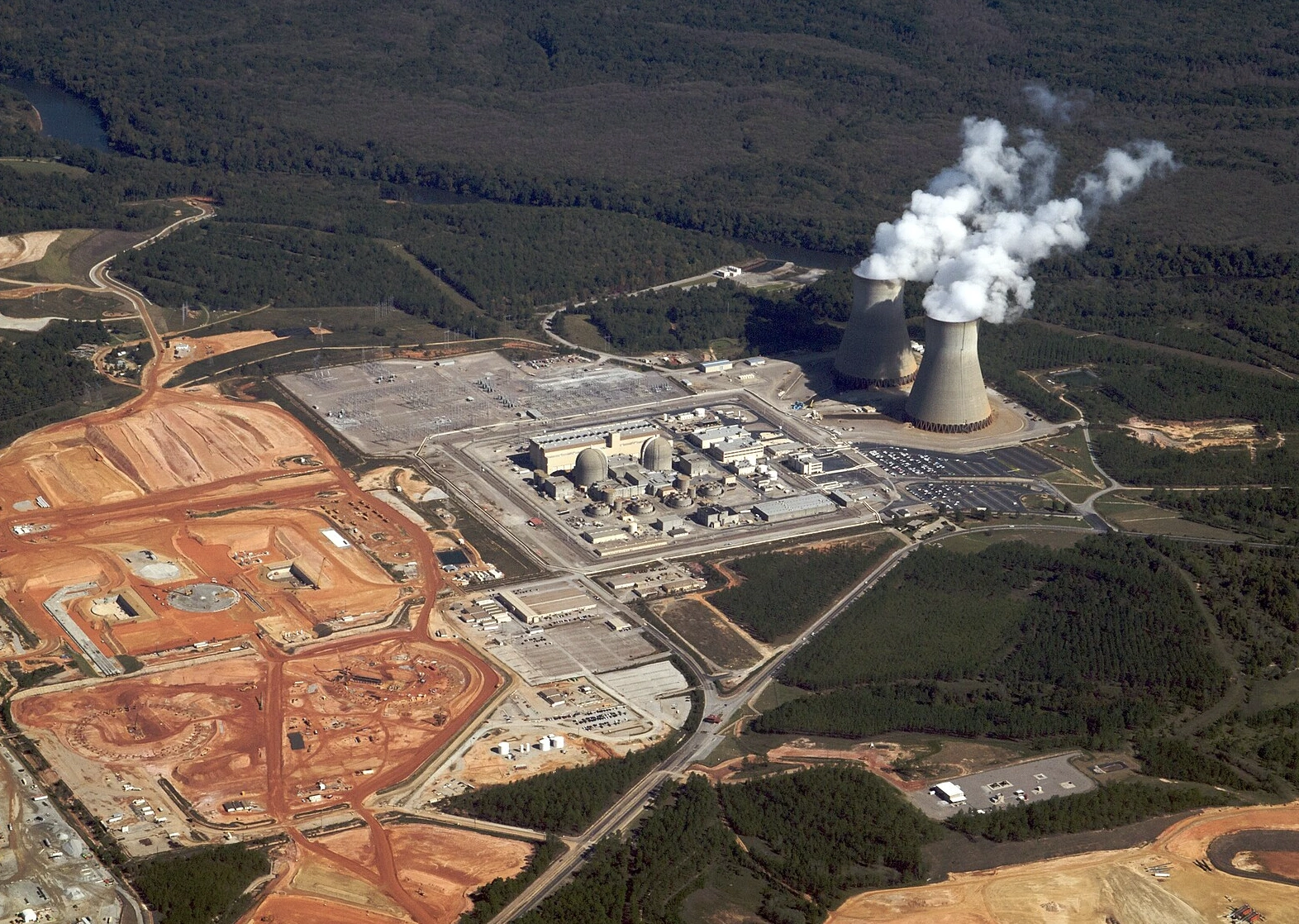
Image by Charles C Watson Jr, from Wikimedia Commons
Google’s Nuclear Deal To Power AI
- Written by Kiara Fabbri Former Tech News Writer
- Fact-Checked by Justyn Newman Former Lead Cybersecurity Editor
In a Rush? Here are the Quick Facts!
- Google will support the construction of seven small nuclear reactors in the U.S.
- The deal aims to meet Google’s growing energy demands for AI operations.
- The reactors are expected to be operational by the end of the decade.
In a new move aimed at fueling its growing energy demands, Google has announced its commitment to support the construction of seven small nuclear power reactors in the U.S, as reported today by The Wall Street Journal (WSJ).
Google’s agreement with the nuclear-energy startup Kairos Power underscores the tech giant’s efforts to secure energy demands for its AI operations. Notably, power consumption by U.S. data centers is projected to increase nearly threefold from 2023 to 2030, noted Reuters .
Under the terms of the deal, Google will purchase 500 megawatts of power generated by Kairos’ reactors, which are expected to be operational by the end of this decade.
The reactors are designed to be smaller and more cost-efficient compared to traditional nuclear plants, as reported by WSJ. Kairos Power’s innovative reactor design, which uses molten fluoride salt instead of water as a coolant, promises increased efficiency and safety, notes WSJ.
The project will include one 50-megawatt reactor, followed by three power plants each housing two 75-megawatt reactors. While this is considerably smaller than the 1,000-megawatt output of conventional reactors, the cumulative 500 megawatts will be enough to power a midsize city or a large AI data center, noted WSJ.
“The end goal here is 24/7, carbon-free energy,” said Michael Terrell, Google’s Senior Director for Energy and Climate, as reported by WSJ.
The path to construction is not without challenges. Kairos will need to secure approval from the U.S. Nuclear Regulatory Commission, though the company has already received permission to build a demonstration reactor in Tennessee, slated to begin operations in 2027, reported WSJ.
Technology companies have entered into multiple agreements with nuclear power firms this year, as reported by Reuters, driven by a surge in power demand from artificial intelligence for the first time in decades.
Critics argue that small modular reactors may be costly due to their inability to achieve the economies of scale seen in larger plants. Additionally, concerns linger over the long-lasting nuclear waste they would generate, for which the U.S. currently lacks a permanent disposal solution, reported Reuters.
However, Google believes that its commitment to a so-called order book framework with Kairos Power—rather than purchasing reactors individually—will send a strong demand signal to the market and facilitate long-term investment in small modular reactors development, reports Reuters.
