Image by Contaminazionivisive, from Pixabay
Finnish Prisoners Work As Data Labelers To Enhance AI Models
- Written by Kiara Fabbri Former Tech News Writer
- Fact-Checked by Justyn Newman Former Lead Cybersecurity Editor
In a Rush? Here are the Quick Facts!
- Finnish inmates work as data labelers for AI training.
- Ethical concerns arise from low-paid prison labor practices.
- Focus on rehabilitation over workforce creation is crucial.
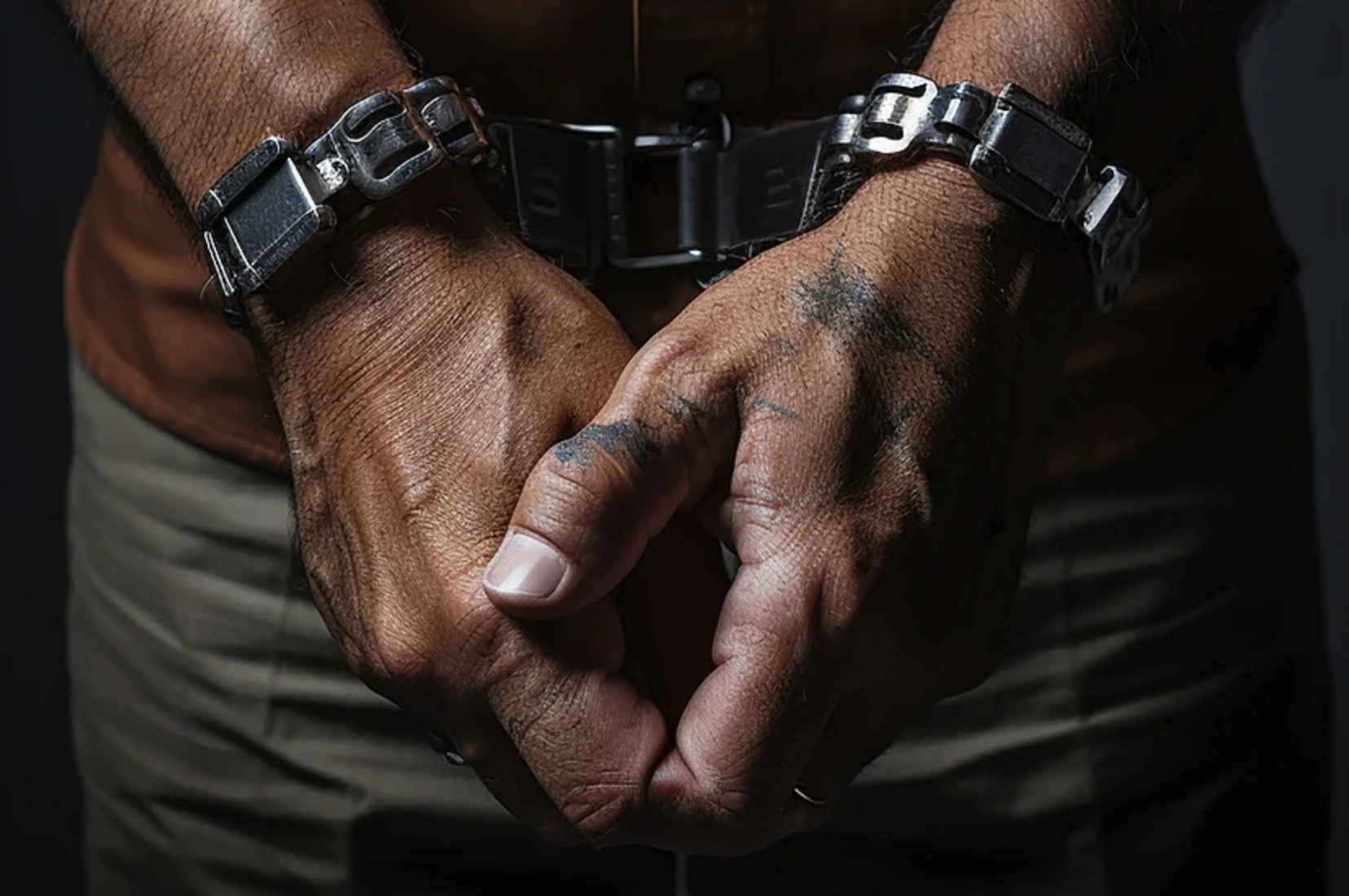
Finnish inmates are being employed as data labelers, a task crucial for training AI systems, as reported by Euronews . While this arrangement offers potential benefits for both prisoners and companies, it raises ethical concerns.
Finnish inmates are now performing clickworker tasks, typically associated with low-wage labor in the Global South, taking advantage of cheaper labor costs, as highlighted by Euronews.
However, this model presents challenges for languages like Finnish, spoken by only five million people worldwide. AI systems require human input during development, and finding native speakers in a high-wage economy like Finland can be costly, as Euronews points out.
To address this issue, Metroc, a Finnish market data company, has partnered with the Finnish Prison and Probation Service. They are utilizing prison labor for data annotation. This involves classifying and labeling information to enhance AI accuracy, as noted by Euronews.
This practice has garnered support in Finland, aligning with the “Smart Prison” project launched in 2018 to increase prisoner rehabilitation and education through digital services.
By familiarizing inmates with digital skills, the program aims to bridge the digital divide they may face upon release.
However, concerns about the ethics of AI labeling work are widespread, especially as companies like OpenAI and Google faced criticism for exploiting low-paid workers .
Dr. Oğuz Alyanak, a cultural anthropologist with the Fairwork project at the Oxford Internet Institute, pointed out to Euronews that AI annotation work is typically low-paid, short-term, and carries health risks.
He emphasized the importance of addressing workers’ concerns and critically examining the AI supply chain. While he didn’t comment on the Finnish prison case specifically, he noted that many companies market these roles as skill-building opportunities.
Yet, Alyanak stressed that most workers pursue these precarious data jobs not to acquire modern skills but to secure limited job options in their home countries.
Marmalade, a Finnish inmate interviewed by WIRED , said that she noticed other Inmates working for tasks like cleaning, laundry, or sewing for a six-hour shift.
Marmalade found these roles too tiring and preferred staying in her cell. When a counselor suggested she try “AI work,” the shorter three-hour shifts appealed to her.
“It’s a little boring,” she admits, highlighting the repetitive nature of the tasks.
Red, an inmate interviewed by Euronews, shares a similar sentiment, describing the data annotation work as “boring.” He prefers physical labor, stating, “I am a lively and energetic person.” For him, this job serves primarily as a way to pass the time and earn some money while incarcerated.
Finnish authorities assert that prisoners are fairly compensated for their work as data labelers. Robin reported to Euronews that he initially received €3 per day (approximately $3.20).
Marmalade reported that she would be paid €1.54 ($1.67) per hour for her data annotation tasks.
Tuukka Lehtiniemi, a researcher at the University of Helsinki who is monitoring the project said to Euroneurs that the controlled prison environment mitigates potential exploitation.
However, researchers warn that the focus should remain on rehabilitation rather than simply creating a workforce for data production, as reported by Euronews.

Photo by Alexey Komissarov on Unsplash
Ex-Apple Designer Jony Ive Working on New Secret Project with OpenAI
- Written by Andrea Miliani Former Tech News Expert
- Fact-Checked by Justyn Newman Former Lead Cybersecurity Editor
Apple’s former celebrity designer Jony Ive confirmed to be working on a new AI startup with OpenAI and its CEO Sam Altman in a profile interview for the New York Times. The project involves a new device—expected to be “less socially disruptive than the iPhone”—but its name or release date remains a secret.
Ive quit his full-time position at Apple 5 years ago, after 27 years—he joined Apple’s design team in 1992— to create his own design company, LoveFrom, for which he has only publicly shared a simple website featuring just the company name.
“For five years, I haven’t talked to anybody about what we’re doing,” said Ive to the New York Times in June, and confirmed that he agreed to work on an AI project with Altman after meeting him last year.
The designer did not provide a name for the new company or too many details of the project—first reported by TechCrunch in 2023—, but shared some relevant information on what they are building.
He and Altman “talked about how generative A.I. made it possible to create a new computing device because the technology could do more for users than traditional software since it could summarize and prioritize messages, identify and name objects like plants and eventually field complex requests like booking travel.”
After multiple meetings with Altman, LoveForm is now leading the design team of the new secret device which already has private investment, and founders expect to reach $1 billion by the end of the year after reaching out to more tech investors.
Ive has shown the headquarters of the new secret company in San Francisco, next to one of his properties and current LoveFrom studio. The new office space cost $60 million, and the company already has 10 employees, including former Apple designers Evans Hankey and Tang Tan.
