
Fake Zoom, Skype, Google Meet Apps Used to Distribute RAT Malware
- Written by Shipra Sanganeria Cybersecurity & Tech Writer
- Fact-Checked by
A new scam involving fraudulent Skype, Zoom, and Google Meet websites aimed at luring unsuspecting users into downloading dangerous malware was uncovered by cybersecurity researchers at Zscaler ThreatLabz.
The Dec. 2023 discovery found that these trojans enable a threat actor to steal sensitive personal information, extract files, log keystrokes, and take control of the targeted victim’s devices when executed successfully.
And the threat is ongoing. The hacker designs seemingly legitimate websites of popular online meeting sites like Zoom, Skype, and Google Meet in Russian. By employing the ‘URL hijacking’ tactic, wherein a user might not notice a misspelt domain (fake URL), hackers can easily deceive unsuspecting users into clicking and downloading the malware.
“When a user visits one of the fake sites, clicking on the Android button initiates the download of a malicious APK file, while clicking on the Windows button triggers the download of a BAT file. The BAT file, when executed, performs additional actions, ultimately leading to the download of a RAT payload,” Zscaler advisory revealed.
The SpyNote RAT found in the Android download, and NjRAT and DCRat for Windows systems perform similar functions. They not only allow cybercriminals to control a compromised device remotely but also access device functions like capturing screenshots and recording audio.
According to the advisory, iOS users were not on the targeted list, as selecting an iOS link did not lead to any malicious download. Instead, it led to the official website.
This threat comes at a time when remote and hybrid working is increasingly dependent on online tools like Skype and Meet, and it’s not the first instance.
In October 2023, hackers distributed DarkGate malware via compromised Skype and Teams business accounts. The use of Skype allowed these bad actors to communicate with third-party vendors, making it easier to lure users into downloading malware and launching ransomware campaigns.
It’s essential that both individuals and organizations deploy measures and spread awareness to secure themselves from the increasingly complex threats posed by these threat actors.
U.S. Lawmakers Pass Bill That Could Ban TikTok in the U.S.
- Written by Elijah Ugoh Cybersecurity & Tech Writer
- Fact-Checked by Justyn Newman Former Lead Cybersecurity Editor
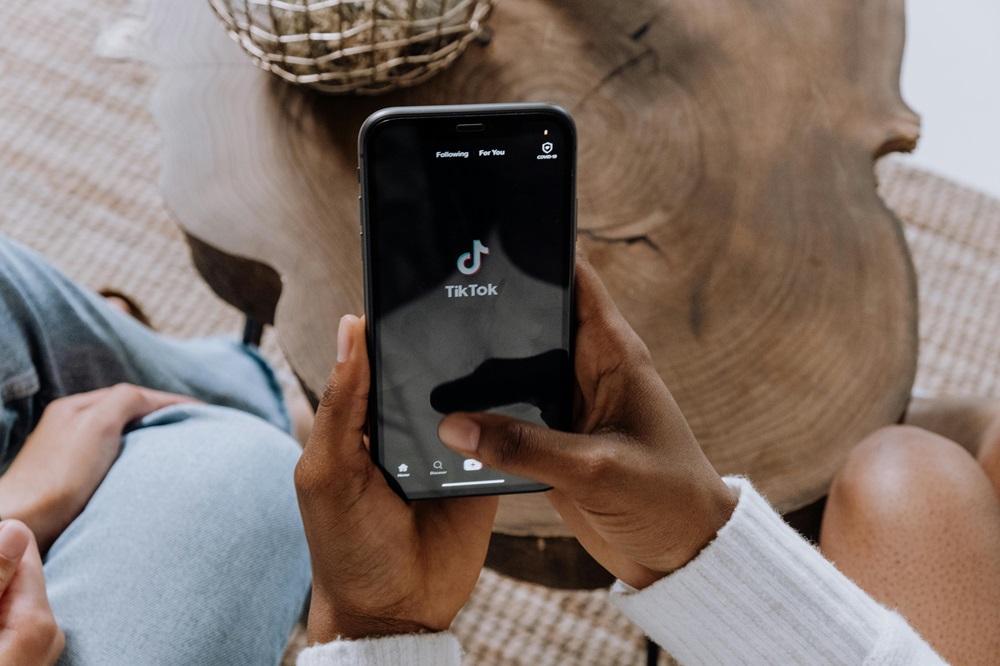
The US House passed a bill to ban TikTok in the United States on 13th March. The ban on the popular short video content platform comes over growing security concerns and President Biden says he will sign the bill once Congress passes it.
In March 2024, the House Energy and Commerce Committee introduced a bill calling for TikTok to disassociate itself from its parent company, ByteDance, within six months or face a ban in the United States. The legislation, which is called the “Protecting Americans from Foreign Adversary Controlled Applications Act”, actually wants ByteDance to transfer ownership of TikTok to non-Chinese owners.
This is not the first time legislators or government authorities in the US have moved to control the operation of TikTok in the country. In February 2023, The White House mandated federal agencies to delete the app from government devices within 30 days.
In 2020, Former President Trump tried to remove TikTok from app stores and also called on ByteDance to divest the app, citing national security concerns. This was stopped by the courts. Montana Gov. Greg Gianforte signed a bill to ban TikTok from operating inside the state, but a federal judge granted a preliminary injunction to stop the ban .
Various cities, state governments, and colleges have also barred access to the app, preventing their workers from downloading it on app stores or using it over their WiFi.
But why so much pressure on TikTok?
It’s all about ByteDance’s relationship with the Chinese government. According to the New York Times , US lawmakers have pointed to Chinese laws that allow China to secretly collect data from Chinese companies and citizens for intelligence-gathering operations.
To make matters worse, TikTok has confirmed that some of the user data it collects is stored with its parent company in China . It was for this same reason that India implemented a nationwide ban on TikTok and several other Chinese-owned apps in mid-2020.
Critics are also worried that China could use TikTok’s content recommendations to push misinformation to its US audience. But, the biggest concern is whether the US government should have the power to ban an app that Americans use to share their views, promote their businesses, and create daily discussions.
Speaking with the New York Times, Caitlin Chin, a fellow at the Center for Strategic and International Studies, said that “such legislation could face legal challenges on First Amendment grounds”.
