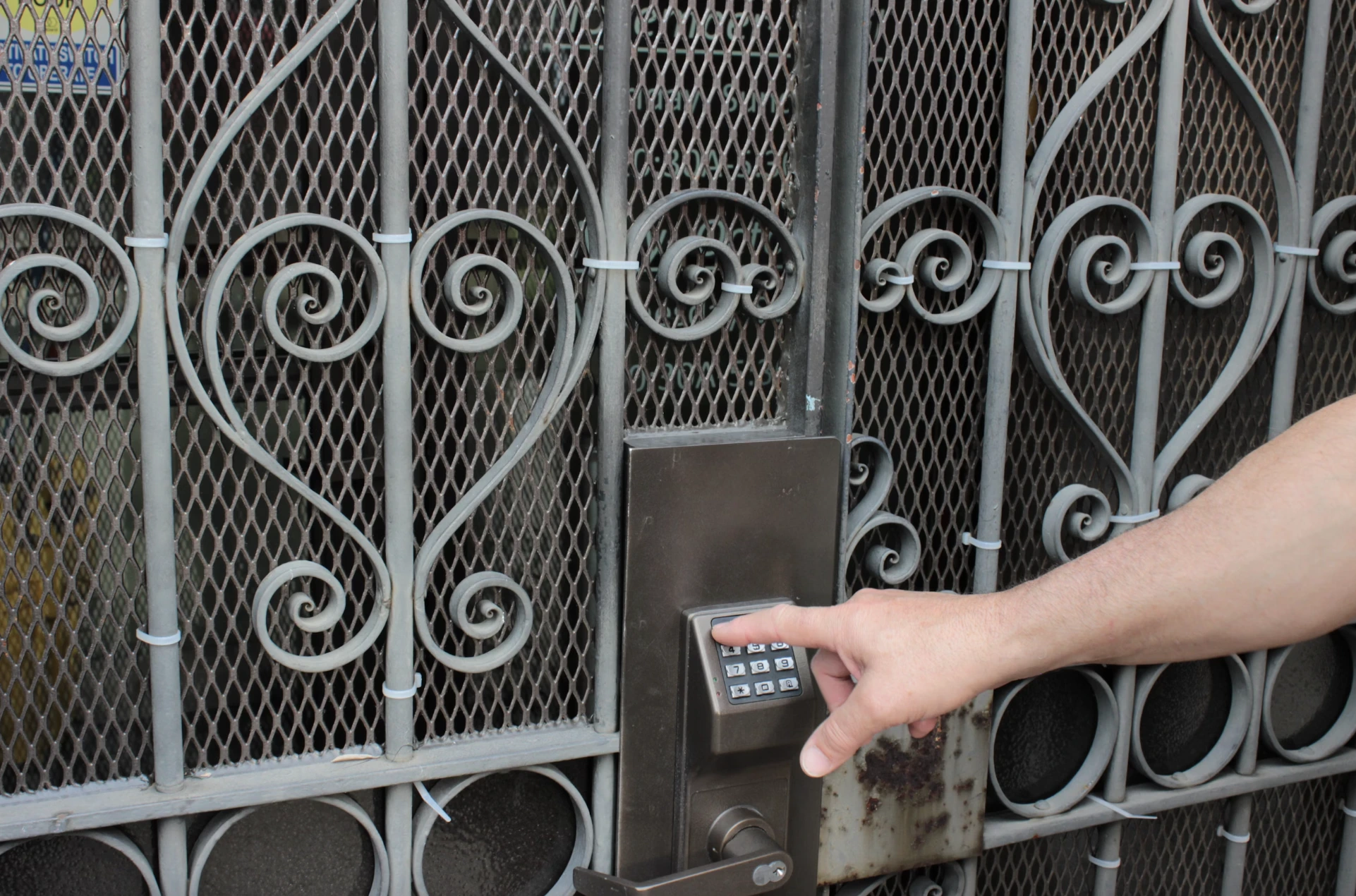
Image by Danielle Rice, from Unsplash
Exposed AMS Systems Risk Unauthorized Access to Buildings and Infrastructure
- Written by Kiara Fabbri Former Tech News Writer
- Fact-Checked by Sarah Frazier Former Content Manager
A major security problem has been uncovered that affects thousands of companies worldwide, putting both employee privacy and physical security at risk.
In a Rush? Here are the Quick Facts!
- Over 49,000 exposed AMS systems were found, affecting companies globally, including critical sectors.
- Personal data, biometric information, and access logs were among the leaked details.
- Unauthorized access to buildings and vehicles could be gained through exposed systems.
A report from cybersecurity firm Modat reveals that security systems used by many organizations—known as Access Management Systems (AMS)—have been left exposed on the internet due to misconfigurations.
This leaves sensitive employee data and access to restricted areas vulnerable to cyberattacks. The research shows that critical industries like construction, healthcare, education, manufacturing, oil, and government sectors are affected.
The exposed data includes personal information, such as IDs, photos, biometric details, and work schedules, along with access to buildings and secure areas. This could allow unauthorized people to enter restricted areas and steal sensitive data.
One of the biggest concerns was that some of these exposed systems let attackers change employee information—like photos and biometric data—giving them access to buildings.
Another problem was with vehicle access control systems, which could be altered to allow specific cars into secure areas, such as government or corporate buildings.
Bleeping Computer highlights that exposed AMS pose serious physical security risks, especially in government buildings and critical infrastructure like power stations and water treatment facilities.
In addition to these physical security threats, the exposed data could be used to fuel spear-phishing and social engineering attacks targeting the affected organizations, said Bleeping Computer.
The Modat team found that many of these security problems are concentrated in Europe, the U.S., and parts of the MENA region (Middle East and North Africa).
Italy had the highest number of exposed systems, with more than 16,000, followed by Mexico with 5,940, and Vietnam with over 5,000. The U.S. had nearly 2,000 exposed systems, and while Canada and Japan showed fewer vulnerabilities, they still posed significant risks.
Modat’s investigation found more than 49,000 exposed AMS systems across the world. They’ve reached out to the affected organizations, warning them about the risks and providing advice on how to fix the issues.
Modat advises companies to protect their security systems by blocking outside access with firewalls, updating their software regularly, and limiting who can access sensitive information to prevent unauthorized entry.

Photo by GlassesShop on Unsplash
Meta Introduces Aria Gen 2 Glasses Featuring Heart Rate Monitoring
- Written by Andrea Miliani Former Tech News Expert
- Fact-Checked by Sarah Frazier Former Content Manager
Meta revealed its new Aria Gen 2 glasses this Thursday. These smart glasses are designed to advance research in multiple areas, including robotics, machine perception, and AI technologies.
In a Rush? Here are the Quick Facts!
- Meta unveiled Aria Gen 2 smart glasses, designed to advance AI, robotics, and machine perception research.
- The upgraded model features heart rate sensors, enhanced cameras, and spatial microphones for better AI training.
- Meta plans to make the new Aria glasses available for academic and research use in the coming months.
According to Meta , the new device features enhancements that could help researchers improve AI systems and gain a better understanding of human perspective.
“Aria Gen 2 glasses add a new set of capabilities to the Aria platform,” wrote the company on its blog. “They include a number of advances not found on any other device available today, and access to these breakthrough technologies will enable researchers to push the boundaries of what’s possible.”
Compared to Aria Gen 1— introduced in 2020 as part of Facebook Reality Labs Research’s open Project Aria for AI and AR research—the new model includes upgraded sensors, extended time use, audio feedback, and lower power requirements.
Aria Gen 2 includes two new sensors in the nosepad that the previous version didn’t: one to measure heart rate and a contact microphone to differentiate the wearer’s voice from other speakers.
The hardware will maintain also features used in the previous generation—but enhanced—such as a high-quality camera, spatial microphones, eye tracking sensors, and a barometer.
Meta highlighted the progress and research already made by other companies and labs using Aria glasses. Researchers at Georgia Tech have used them to advance humanoid robot research for human assistance, BMW has integrated virtual and augmented reality into smart vehicles, and Envision has developed solutions for people who are blind or have low vision.
The tech giant expects to make the hardware commercially available for academic and research purposes in the upcoming months.
In September 2024, Meta introduced its first AR glasses prototype named Orion , powered by AI technology. Other tech companies such as Snap, Samsung, and Google have also been developing smart glasses and announcing new updates in the past few months.
