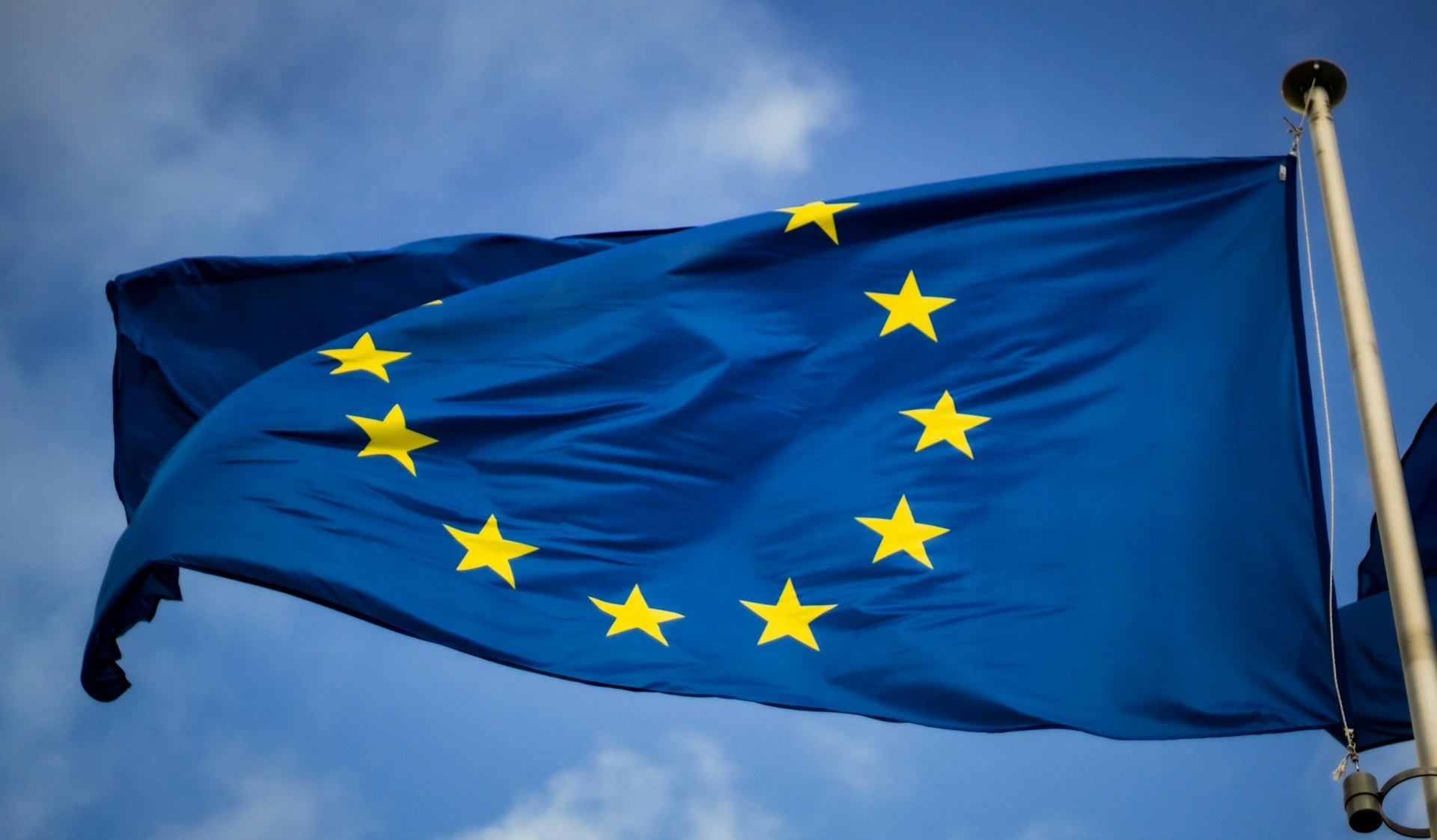
Photo by Christian Lue on Unsplash
European Commission Requests Information on Algorithms from YouTube, TikTok, and Snapchat
- Written by Andrea Miliani Former Tech News Expert
- Fact-Checked by Justyn Newman Former Lead Cybersecurity Editor
In a Rush? Here are the Quick Facts!
- The European Commission required details on how the platforms’ algorithms work and prevent risks
- The companies have until November 15 to reply or will face penalties
- Based on the information gathered, the commission will decide on the next steps
The European Commission, under the Digital Services Act (DSA), today requested information from Snapchat, TikTok, and YouTube regarding the functioning and design of their algorithms.
According to the press release , the European Union asked for further details on the recommendation systems and their risks to mental health, political influence, and protection of underaged users. The companies must reply by November 15, and if they fail to reply the European Commission could apply penalties.
“Based on the assessment of the replies, the Commission will assess the next steps,” states the public document.
The European Commission has made specific requests for the different platforms. For YouTube and Snapchat, the institution required detailed information on the parameters used for content recommendations to users and about the role of these algorithms in civic discourse, electoral processes, and mental well-being—including addictive content and rabbit holes—, as well as the protection of minors.
Snapchat and YouTube must also explain the measures their algorithms take to prevent the promotion of illegal drugs, hate speech, and other unlawful content.
TikTok, on the other hand, must provide more information regarding techniques to avoid manipulation from malicious actors and to reduce risks regarding politics, civic discourse, and pluralism. The European Commission mentions that the platform could have an impact through its recommendation system.
According to Reuters , the EU has previously initiated action proceedings under the DSA, which mandates that major tech firms—including Meta, AliExpress, and TikTok—improve their efforts to address illegal and harmful content on their platforms.
Just a few days ago, Google went under investigation for its AI model by the Data Protection Commission (DPC).

Image from Freepik
Cybersecurity Awareness Month 2024: Staying Vigilant Against Evolving Threats
- Written by Kiara Fabbri Former Tech News Writer
- Fact-Checked by Justyn Newman Former Lead Cybersecurity Editor
In a Rush? Here are the Quick Facts!
- Cybersecurity Awareness Month promotes discussions on online safety measures.
- Cyber threats are growing more sophisticated and widespread.
- Cybersecurity teams struggle to keep up with escalating threats.
October marks the 21st anniversary of Cybersecurity Awareness Month, a global initiative aimed at increasing understanding of cyber threats and empowering individuals and organizations to enhance their online security.
Launched in 2003 by the U.S. Department of Homeland Security and the National Cyber Security Alliance, this month-long campaign has evolved into a collaborative effort among government, industry, and academia, as noted by the Center For Internet Security (CIS)..
Its goal is to promote cybersecurity awareness and encourage actions that reduce online risks. This year’s campaign comes at a critical time, as cyber threats grow more sophisticated, according to an announcement by Microsoft .
Microsoft reports that phishing emails have become increasingly convincing, leading to a surge in fraud cases where cybercriminals impersonate legitimate entities.
We have recently highlighted alarming trends, such as a 56% increase in active ransomware groups in 2024 and a rise in cyberattacks targeting young gamers , alongside increased fraud at Bitcoin ATMs .
These unsettling developments underscore the urgent need for heightened awareness and proactive measures from both the public and organizations.
The cybersecurity landscape is further complicated by resource constraints faced by dedicated security teams. Microsoft indicates that the global cybersecurity workforce gap reached a staggering four million unfilled roles in 2023, reflecting a nearly 13% increase from the previous year.
Their report emphasizes that cybersecurity teams are struggling to keep pace with the sophistication and volume of cyberattacks, highlighting the necessity for a more robust response.
In Europe, the European Commission is intensifying its efforts with the launch of this year’s European Cybersecurity Month, themed #ThinkB4UClick .
Running throughout October, the campaign focuses on combating social engineering—tactics employed by cybercriminals to manipulate individuals into revealing sensitive information through impersonation, phishing emails, and fraudulent offers.
An example of this is hackers targeting job seekers with fake recruiting schemes on LinkedIn and other video conferencing apps .
In the United States, the Cybersecurity and Infrastructure Security Agency (CISA) is also ramping up its efforts through its Secure Our World initiative. This program provides practical tips and resources to help individuals and organizations take daily actions to reduce online risks.
CISA emphasizes that Cybersecurity Awareness Month serves as a collaborative platform for the public and private sectors to engage in discussions about cyber threats and protective measures.
As cyber threats continue to evolve and the workforce gap widens, it is more crucial than ever for individuals and organizations to stay informed and proactive in their cybersecurity practices.
This Cybersecurity Awareness Month serves as a reminder that everyone has a role to play in securing our digital world, and vigilance is essential in combating the growing landscape of online threats.
