
Image by RawPixel.com from Pxhere
EU Bans TikTok’s Reward System Amid Addiction Concerns
- Written by Kiara Fabbri Former Tech News Writer
- Fact-Checked by Justyn Newman Former Lead Cybersecurity Editor
On August 5th, TikTok agreed to permanently remove its Lite Rewards program from the European Union following concerns raised by the European Commission about its potential addictive effects.
The video-sharing platform made the commitment to withdraw the program, after the Commission launched formal proceedings against it in April. The EU’s Digital Services Act (DSA), designed to regulate large online platforms, was cited as the reason for the action.
The Commission expressed concerns that the Rewards program could encourage addictive behavior, particularly among minors. The DSA requires platforms to conduct thorough risk assessments before launching new features that could have a significant impact. TikTok’s failure to do so for the Lite Rewards program led to the Commission’s intervention.
By accepting TikTok’s commitments, the Commission has closed its first case under the DSA. However, it’s important to note that this is just one step in the EU’s ongoing scrutiny of the platform. Formal proceedings against TikTok initiated in February, unrelated to the Rewards program, remain open.
TikTok has expressed satisfaction with reaching an agreement with the European Union. In a statement to The Washington Post, spokesperson Elliott Burton said the company is pleased to have resolved the issue and is committed to constructive engagement with regulators.
TikTok has faced increasing pressure from regulators around the world over data privacy and user safety concerns. The EU’s actions highlight the growing concern about the potential psychological impact of social media, particularly on young people.
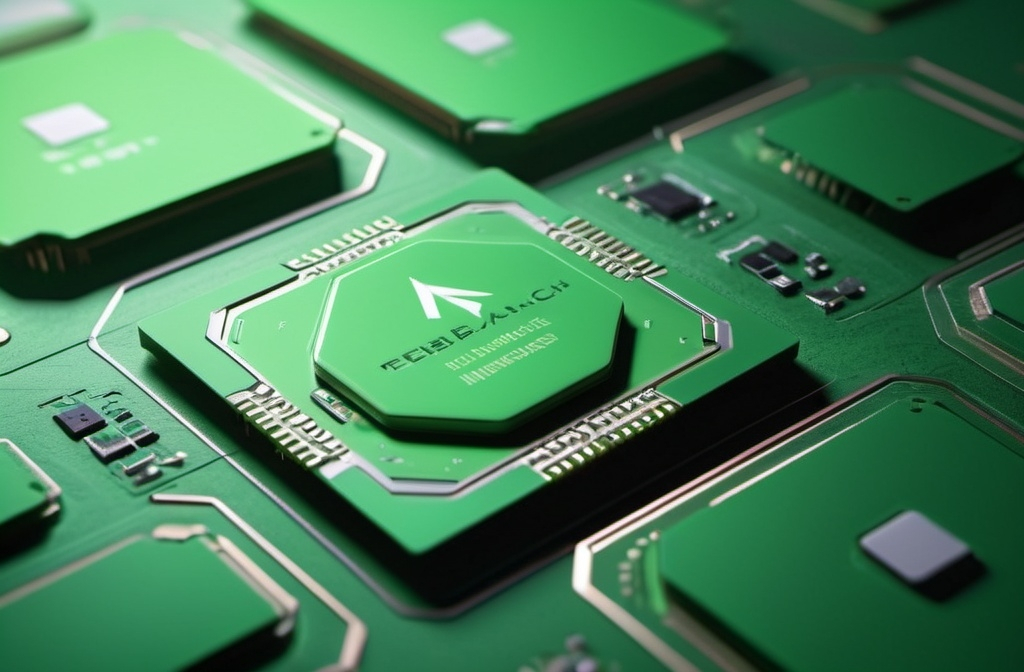
Image created with openart.ai
Novel Material Offers Potential Solution to E-Waste Challenge
- Written by Kiara Fabbri Former Tech News Writer
- Fact-Checked by Justyn Newman Former Lead Cybersecurity Editor
MIT News reported yesterday on a recent study exploring a novel substrate material for flexible electronics. The research suggests a potential solution to the increasing electronic-waste problem by developing a material that facilitates the recycling of components from disposable and wearable devices.
The new material developed by researchers at MIT, and Meta could provide a significant advancement in addressing the growing issue of e-waste. The material, a form of polyimide, offers potential improvements in both the manufacturing and recycling of electronic devices.
“We recognize that electronic waste is an ongoing global crisis that’s only going to get worse as we continue to build more devices for the internet of things, and as the rest of the world develops,” says Thomas J. Wallin, an assistant professor at MIT’s Department of Materials Science and Engineering, in the MIT News article.
The newly developed material offers several potential advantages. It can be processed more efficiently than traditional polyimide. This processing requires lower temperatures and less time. Additionally, the material’s structure allows for the recovery of valuable components . These components include precious metals and microchips. This recovery occurs at the end of a product’s lifecycle. Such capabilities could reduce the environmental impact of e-waste. They could also alleviate supply chain pressures for critical materials.
Beyond recycling, the material’s properties could enable the creation of more complex and compact electronic devices. Its potential to serve as a substrate for multilayered circuits offers opportunities for technological advancements.
The developed material holds promise but requires further optimization. While comparable to industry standards, it falls short in specific areas. The research paper suggests enhancing properties like thermal conductivity and dielectric constant. This can be achieved by adding fillers or modifying the material’s structure.
Improving the material’s polyimide characteristics or degradation rate is also crucial. Recycling the material could be a future option, but its economic viability is uncertain.
