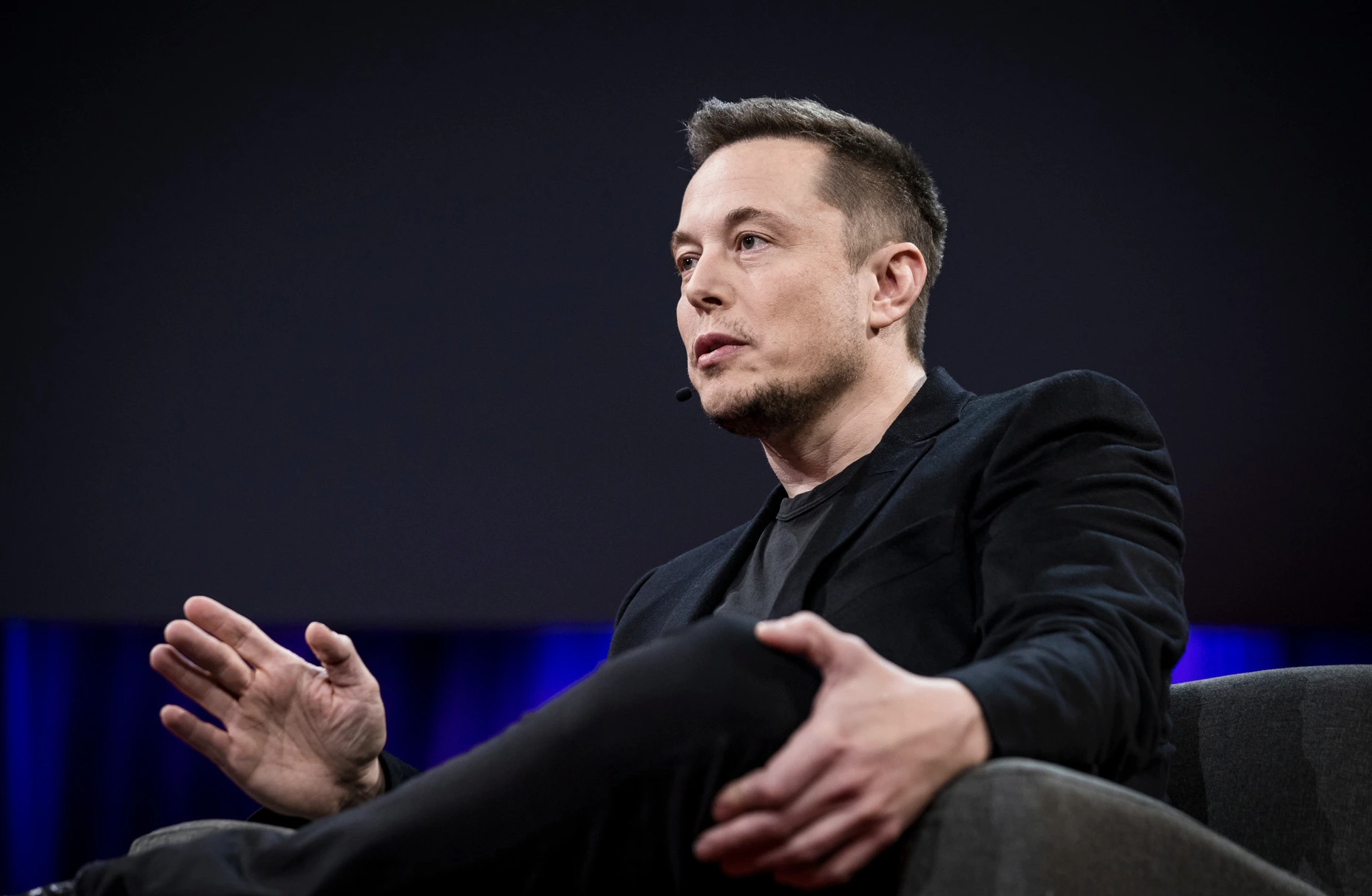
Image by TED Conference, from Flickr
Elon Musk Seeks To Block OpenAI’s Shift To For-Profit Status
- Written by Kiara Fabbri Former Tech News Writer
- Fact-Checked by Sarah Frazier Former Content Manager
Elon Musk filed an injunction against OpenAI and Microsoft, alleging anticompetitive practices, harming xAI, and abandoning OpenAI’s nonprofit mission. OpenAI denies claims.
In a Rush? Here are the Quick Facts!
- Elon Musk filed an injunction against OpenAI, Microsoft, and others for anticompetitive behavior.
- OpenAI allegedly pressured investors to avoid funding Musk’s xAI and other competitors.
- OpenAI denies the allegations, calling Musk’s lawsuit repetitive and baseless.
Elon Musk is urging the court to halt OpenAI’s transition from a nonprofit to a for-profit entity, accusing the organization of anticompetitive practices and breaches of its original mission, as first reported by TechCrunch .
In a motion filed Friday, Musk’s legal team requested an injunction from Judge Yvonne Gonzalez Rogers of the US District Court for the Northern District of California. The injunction would not only block OpenAI’s structural shift but also suspend its partnerships with Microsoft.
Originally launched in 2015 as a nonprofit, OpenAI transitioned in 2019 to a “capped-profit” model and is reportedly shifting toward a fully for-profit structure.
Musk alleges OpenAI discouraged investors from supporting competitors like his company xAI and gained access to sensitive information through ties with Microsoft.
Central to the filing are claims of improper conduct by Reid Hoffman, LinkedIn cofounder and former board member of both OpenAI and Microsoft. Musk’s lawyers argue these connections facilitated monopolistic practices and violated antitrust laws, says TechCrunch.
The motion contends that OpenAI has veered from its original nonprofit mission and could cause “irreparable harm” without court intervention. “An injunction to preserve what is left of OpenAI’s nonprofit character, free from self-dealing, is the only appropriate remedy,” Musk’s counsel stated, as reported by TechCrunch.
The motion also criticizes OpenAI for abandoning its founding principles. Musk invested $45–$50 million in OpenAI when it was established as a nonprofit in 2015, alongside figures like Hoffman, Sam Altman, and Peter Thiel, says TechCrunch
However, OpenAI announced plans in September to restructure as a for-profit entity, a move Musk describes as betraying its charitable roots. His filing claims OpenAI is leveraging Musk’s foundational contributions to create a for-profit monopoly targeting competitors like xAI.
This legal battle reignites tensions between Musk and OpenAI CEO Sam Altman, who have clashed publicly over the company’s direction and AI development. Altman denies Musk’s claims, while a spokesperson for OpenAI dismissed the lawsuit as “baseless,” as reported by TechCrunch.
The court’s decision on the injunction could have significant implications for the AI sector, particularly regarding the balance between competition and collaboration among leading players.
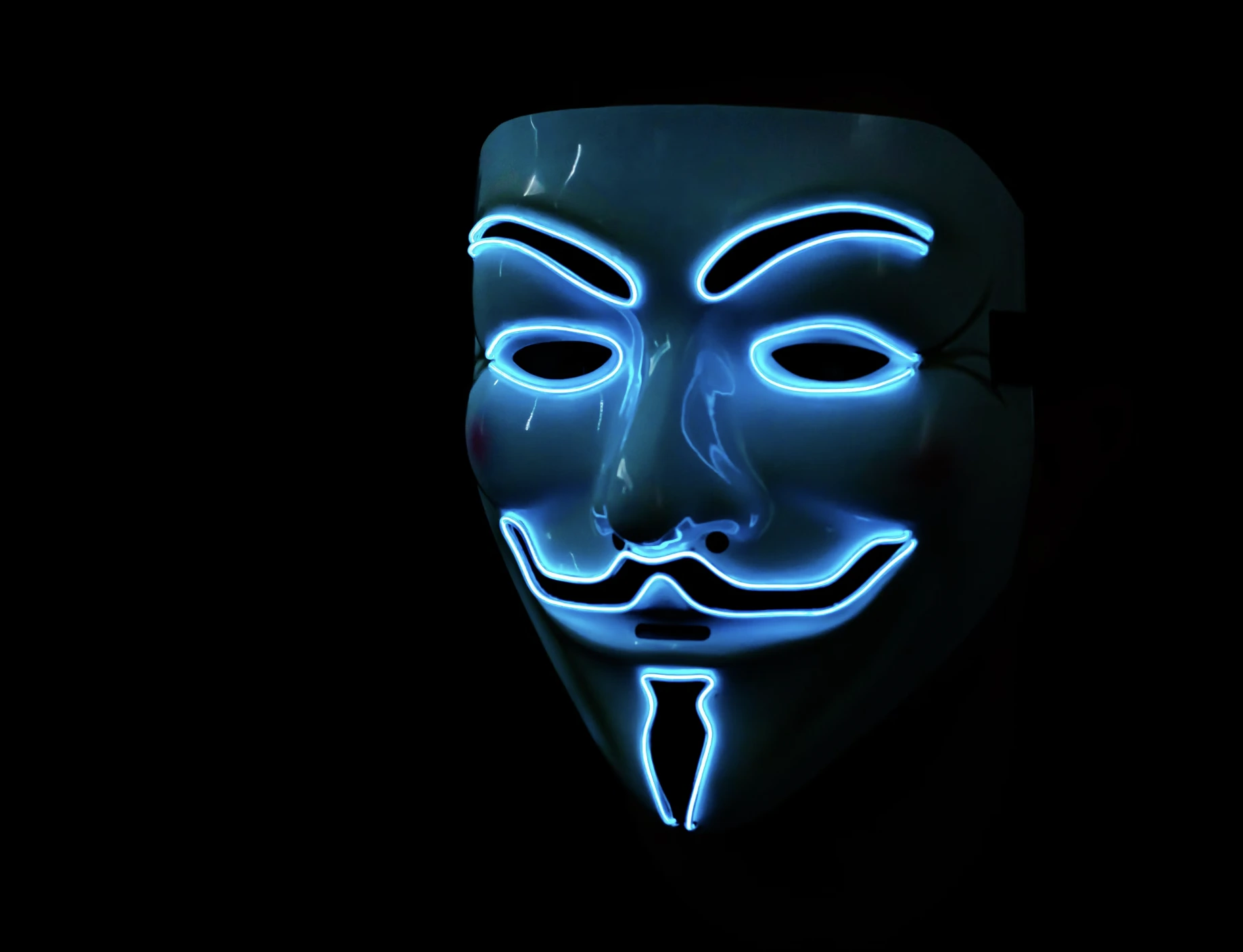
An Interview With An Anonymous Member
- Written by Kiara Fabbri Former Tech News Writer
- Fact-Checked by Sarah Barnes Web Security Expert
SPYDIRBYTE, an Anonymous member, defends DDoS attacks, revealing his background in hacking, activism, and his role in disrupting dark web crimes.
In a Rush? Here are the Quick Facts!
- SPYDIRBYTE is an Anonymous member known for malware and DDoS attacks.
- He defends DDoS attacks as central to Anonymous’ operations.
- He played a key role in Operation Darknet and Operation Anti-Sec.
In the world of hackers, the name SPYDIRBYTE stands out. Known for his exploits as a member of the Anonymous collective, SPYDIRBYTE has left a trail of digital chaos, wielding malware and DDoS attacks as tools of activism and rebellion.
While many associate malware with basic website disruptions, SPYDIRBYTE views these attacks as a potent weapon against corrupt powers, transforming the digital landscape into a battleground for justice.
During a recent interview with Cyber News (CN), SPYDIRBYTE discussed the power of DDoS attacks, revealing that these actions are often far more than just digital mischief.
“Nowadays people say DDoSing is [for a “SKID”] move, but every single Operation of Anonymous always has been DDoS … Most of our victories is from DDoS and website defacement or getting into a database,” he explained to CN, emphasizing how such attacks can disrupt more than just websites—they can destabilize systems and raise awareness on critical issues.
The conversation turned to SPYDIRBYTE’s personal journey, one shaped by adversity and defiance. Raised in an abusive environment with a distant father and a cruel stepmother, he faced significant challenges from an early age.
“A lot has happened to me as a child… Tired of the judgment, tired of the abuse, tired of the government, tired of not being free…” he recalled, to CN.
“As an Anonymous member, you’re free… You can be anyone you want to be and not be judged for it because them people don’t know who you are,” he added.
He described how his troubled upbringing led him into a rebellious life, which included gang involvement and eventually hacking.
“[I] dropped out of school… Ran away from home… Live home to home to home [and] moved to different states, living the real hacker/Anonymous life,” he said to CN.
His introduction to hacking began on the chaotic 4chan IRC channels in 2009, where trolling and doxxing were common practices.
From there, SPYDIRBYTE’s skills grew as he learned from other hackers, developing malware and taking part in major Anonymous operations. One of his first acts of defiance was a hack against LolitaCity, a dark web site linked to child abuse, as part of Operation Darknet, as reported by CN.
“We had it completely shut down in 2013,” he said to CN. This was just the beginning—his campaigns targeted everything from child exploitation websites to government institutions.
In 2013, he participated in Operation Anti-Sec, which included high-profile attacks on government websites. “I shut down the CIA website for four days,” he said to CN, referring to one of his more memorable feats.
His actions resonated with those who saw the internet as a battleground for freedom and justice. For SPYDIRBYTE, these attacks were a form of resistance against corrupt governments and institutions, as reported by CN.
Over time, his knowledge expanded, and he became proficient in crafting his own malware.
“I started writing my own malware after using a tool called DarkComet, which was a RAT Tool which RAT means Remote Access Trojan where hackers can control other people’s computers, spy through the camera, collect anything we want,” he explained to CN.
His expertise led to significant cyberattacks, including the use of botnets to launch large-scale DDoS assaults on entities like InfoWars. Despite his controversial methods, SPYDIRBYTE remains steadfast in his belief that the end justifies the means.
“Everything the movement stands for is fighting for justice and freedom,” he said to CN, noting his dedication to anonymity and his commitment to aiding those he sees as victims.
He also expressed a desire to mentor the next generation of hacktivists, helping to ensure the survival and evolution of the Anonymous movement, as noted by CM. For SPYDIRBYTE, hacking is not just a crime—it’s an act of defiance, a form of activism, and a way to fight for freedom in a digital age.
“I don’t need to be recognized for what I do for the people… 90% of these people don’t know sh*t about what happens in the background of anything,” he said to CN, leaving a stark reminder of the invisible battles fought in the digital world.
As the interview concluded, SPYDIRBYTE shared a quote from Edward Snowden: “I can’t in good conscience allow the US government to destroy privacy, internet freedom, and basic liberties for people around the world with this massive surveillance machine they’re secretly building.”
For him, this sentiment encapsulates the essence of hacktivism—a fight for the freedom of the internet and the rights of the people.
