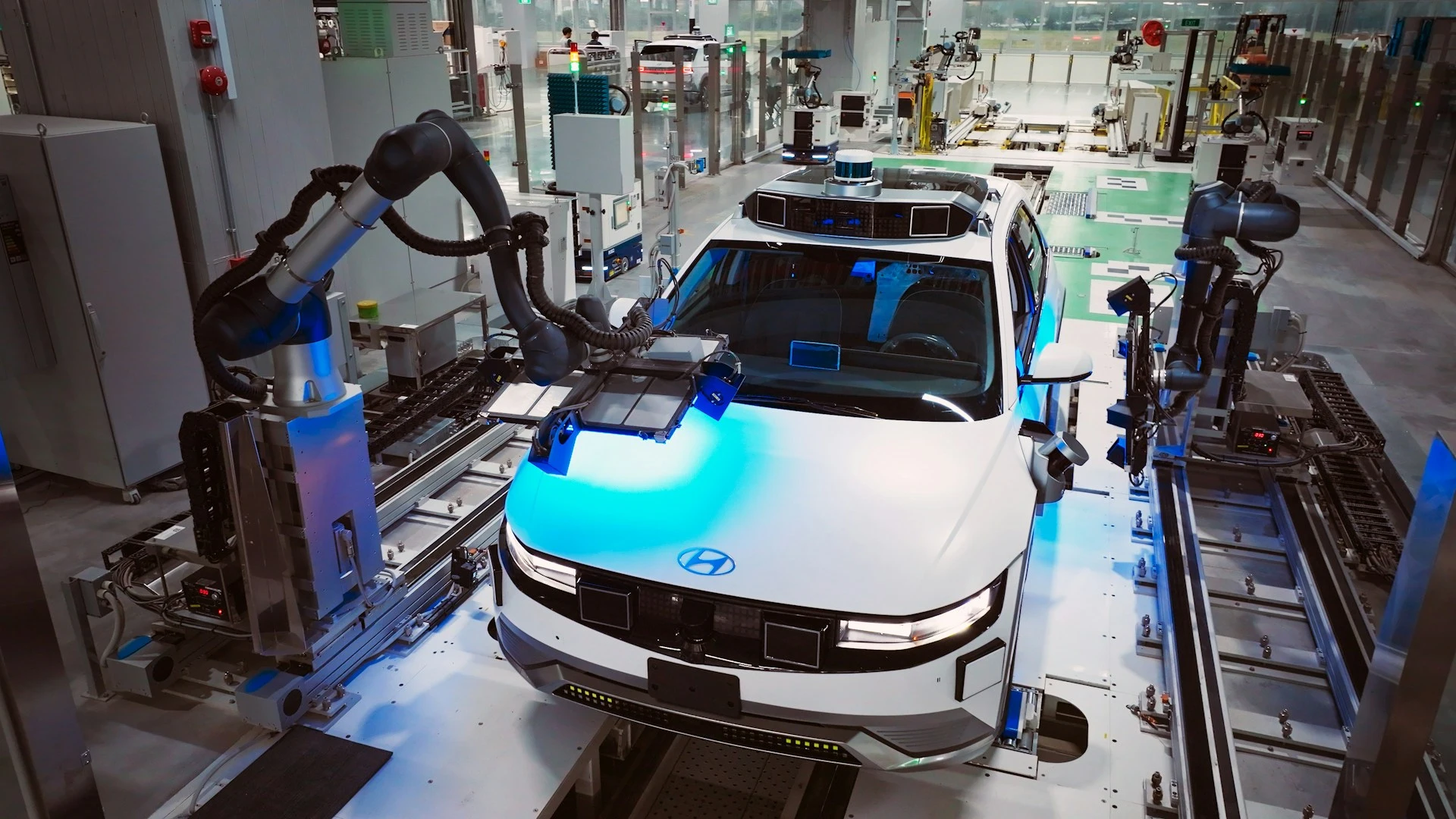
Photo by Hyundai Motor Group on Unsplash
Drivers In China Worry About Robotaxis Boom During Trial
- Written by Andrea Miliani Former Tech News Expert
- Fact-Checked by Justyn Newman Former Lead Cybersecurity Editor
Taxi drivers and ride-hailing drivers are concerned about the boom in robotaxis in multiple cities in China. According to Reuters , the Chinese government allowed an aggressive trial period, letting companies deploy hundreds of self-driving vehicles in around 19 cities in the country.
The United States has been more cautious and has suspended services and is currently investigating cases from companies like Zoox and Waymo after accidents registered with self-driving cars. China, on the other hand, has quickly issued permits and recently approved seven companies to test robotaxis including WeRide AutoX—backed by Alibaba—, Pony.ai—backed by the Japanese Toyota Motors—, Apollo Go, and SAIC Motor.
Pony.ai has 300 self-driving vehicles up and running and expects to reach 1,000 by 2026. Apollo Go expects to expand to 1,000 robotaxis in 100 cities by 2030. The official total number of self-driving vehicles has not been shared.
“Everyone will go hungry,” said Liu Yi, one of China’s 7 million registered ride-hailing drivers to Reuters. He began driving part-time after the construction business slowed down due to the unsold apartments crisis and now he predicts another one for taxi drivers.
As reported by Reuters, robots have also taken human driver instructor jobs in the industry since 2019 as now more driving schools have integrated robot teachers—also preferred by multiple students.
Xun Tianchen, from the Economist Intelligence Unit, said that officials are observing closely and that the Chinese government will probably intervene and set limits and also help drivers find new jobs.
In the United States, the government hasn’t allowed Chinese companies to test self-driving cars in American territory, but multiple American companies have deployed their models in cities like Phoenix, Los Angeles, and San Francisco.
Tesla has been one of the largest companies interested in expanding robotaxi services in the United States, but the company hasn’t progressed as fast as promised . Elon Musk, Tesla’s CEO, has talked about unveiling the “Tesla Robotaxi” service, but it has been delayed.
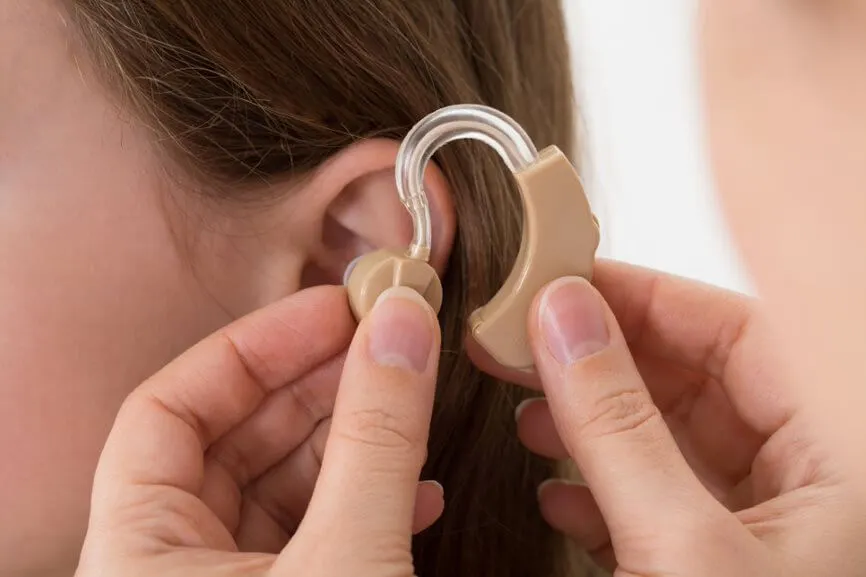
Image by Vilma Liella from Flickr
Sonova Introduces New AI-Powered Hearing Aid
- Written by Kiara Fabbri Former Tech News Writer
- Fact-Checked by Justyn Newman Former Lead Cybersecurity Editor
Sonova has announced yesterday a new hearing aid that employs real-time AI to enhance speech clarity in noisy environments. According to Reuters , this device is first product of this kind in the global market.
The new device, named Phonak Audéo Sphere Infinio, uses real-time AI to tackle the significant challenge of understanding speech in noisy environments.
The Sonova announcement reveals that its AI chip boasts 53 times the processing power of current hearing aid industry chips. This technology enables it to instantly distinguish clear speech from background noise.
As a result, they claim that users experience a marked improvement in speech comprehension, enabling them to easily understand conversations from any direction. This allows them to participate in dynamic group discussions without the need to constantly turn their heads.
The same announcement reports that clinical studies show users experienced over double the speech understanding in noisy environments with this new hearing aid compared to existing models.
Arnd Kaldowski, Sonova’s Group CEO, emphasized the importance of this development, stating in the announcement, “While every user would state we have come a long way in the last 10 years, they will say they still can’t understand conversations as well as they would like to, when background noise is present, like in many crowded places, such as public transport or restaurants. We are convinced that with our new technology, we can make a significant difference for people in need.”
According to Reuters, the hearing aid industry has encountered softening market conditions in Europe and the U.S., coupled with intensified competition. Despite these challenges, Sonova CEO Arnd Kaldowski stated, “We will need to see how the market evolves and the customer reaction to the products. But we are good with our full year guidance even with the currently somewhat slower market,”
