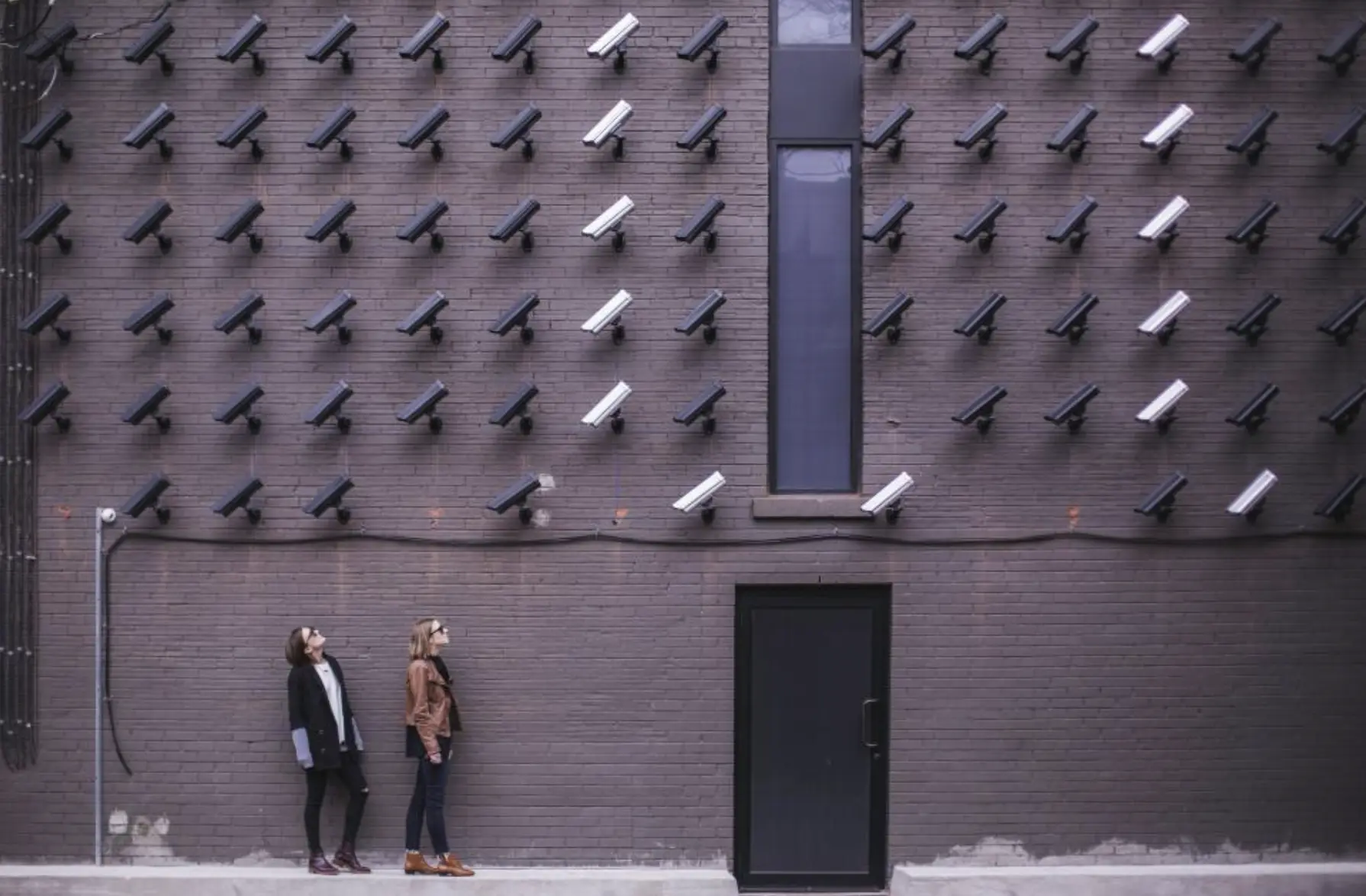
Image by Matthew_Henry, from Free Ranges Stock
DPA Fines Clearview AI For Illegal Database
- Written by Kiara Fabbri Former Tech News Writer
- Fact-Checked by Justyn Newman Former Lead Cybersecurity Editor
Reuters reported on September 3 that U.S. facial recognition company Clearview AI has been fined 30.5 million euros ($33.7 million) by the Dutch Data Protection Authority (DPA) for creating what the watchdog described as an illegal database.
The DPA stated that the Clearview’s database, which includes billions of photos, many of them of Dutch citizens, was built without individuals’ consent. The DPA has also issued a compliance order threatening additional penalties of up to 5.1 million euros if the company fails to address the violations.
The DPA’s investigation notes that Clearview AI offers facial recognition services to law enforcement and intelligence agencies by matching images from its vast database, which contains over 30 billion photos scraped from the internet.
The company then generates unique biometric codes from these images, all without the knowledge or consent of the individuals involved.
Aleid Wolfsen, chairman of the Dutch DPA, criticized the invasive nature of Clearview’s technology, warning that it could lead to anyone with an online presence being tracked.
Wolfsen acknowledged the potential benefits of facial recognition technology in law enforcement but argued that such tools should be tightly controlled and used only by official authorities under strict conditions.
He warned that the use of Clearview’s services is illegal under Dutch law, and organizations that engage with the company could face significant fines.
This fine follows a similar €290 million penalty imposed on Uber by the Dutch DPA for unlawfully collecting sensitive data from European drivers. These actions highlight the growing scrutiny of data privacy practices and the importance of ensuring that companies comply with data protection regulations.
Clearview AI has denied any wrongdoing, claiming “Clearview AI does not have a place of business in the Netherlands or the European Union, it does not have any customers in the Netherlands or the EU,” said to Reuters Jack Mulcaire, Clearview AI’s chief legal officer.
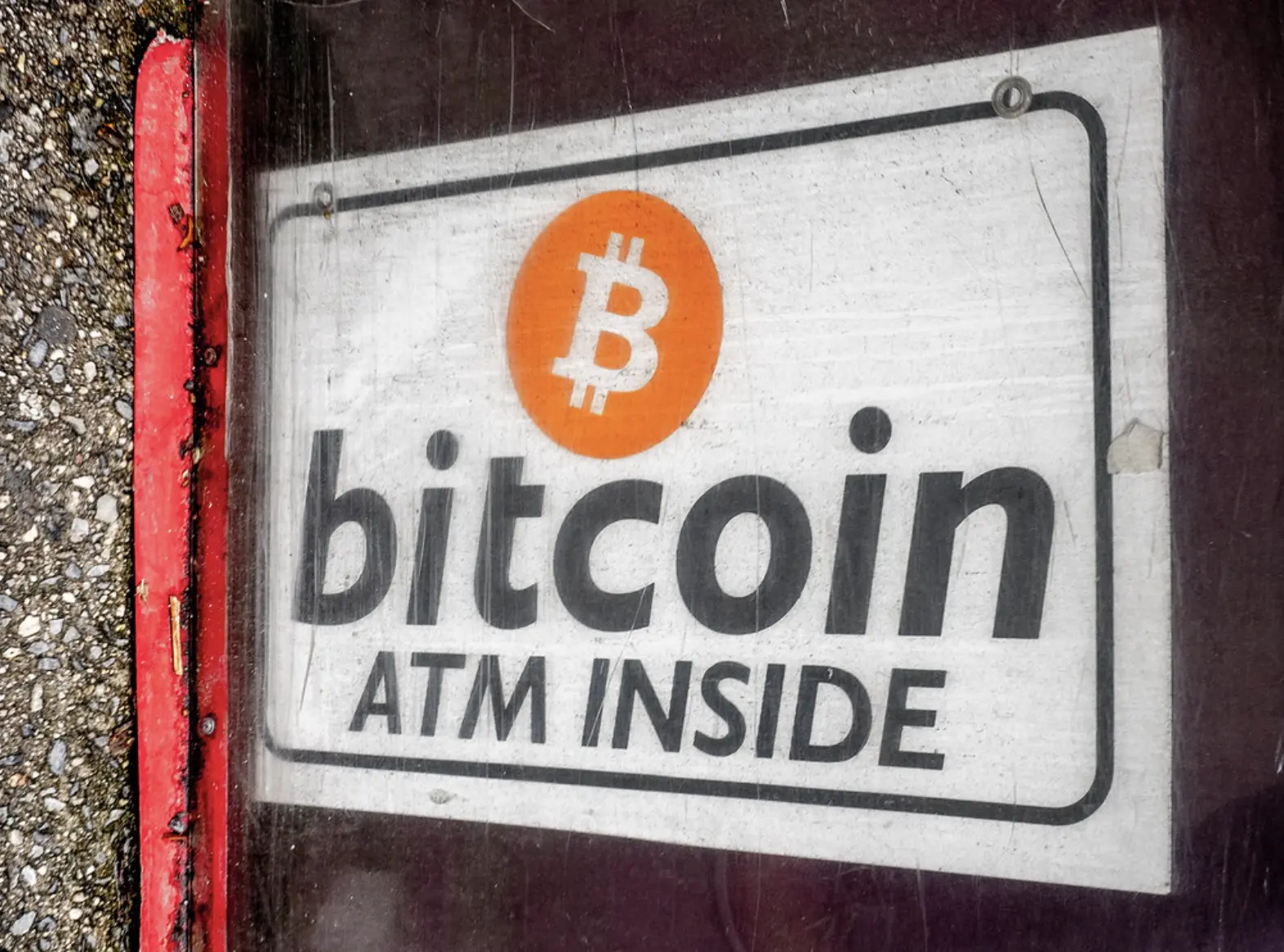
Image by ajay_suresh from Flickr
Bitcoin ATMs: A Gateway for Scammers?
- Written by Kiara Fabbri Former Tech News Writer
- Fact-Checked by Justyn Newman Former Lead Cybersecurity Editor
The Federal Trade Commission (FTC) released today a report highlighting a rise in fraud at Bitcoin ATMs. While these machines enable users to convert cash into cryptocurrency, they have increasingly become a tool for scammers to commit fraud.
According to the FTC Consumer Sentinel Network, fraud losses at BTMs have skyrocketed in recent years, reaching over $65 million in just the first half of 2024. This represents a significant increase from previous years, indicating that scammers are increasingly turning to BTMs as a means of carrying out their schemes.
Cryptocurrency has emerged as a major payment method for scams, particularly in fake investment opportunities. However, its use has expanded to a variety of other scams, with BTMs facilitating this shift, as noted by the FTC.
The report states that one common scam involves scammers impersonating government agencies or financial institutions and claiming that the victim’s account has been compromised. The scammers then instruct the victim to withdraw cash and deposit it into a BTM, claiming that this will protect their funds.
Another common scam involves scammers sending victims fake security warnings or error messages, often impersonating companies like Microsoft or Apple, notes the FTC.
These messages may claim that the victim’s computer is infected with malware or that their account has been hacked. The scammers then instruct the victim to take action, such as depositing money into a BTM, to resolve the issue.
The FTC report notes that older adults are especially vulnerable, with those aged 60 and over being more than three times as likely as younger individuals to report a loss involving a BTM. In fact, two-thirds of the total reported losses from BTM scams came from this age group.
The FTC advises the public to watch out for common tricks used by scammers. They note that it’s important not to click on links or respond directly to unexpected calls, messages, or computer pop-ups.
Additionally, the FTC warns against withdrawing cash from a bank account in response to an unexpected request, as scammers often use this method to steal money.
Finally, the FTC suggests that any suggestion to use a Bitcoin ATM to protect money or fix a problem should be ignored. Legitimate businesses and government agencies will never make such requests.
