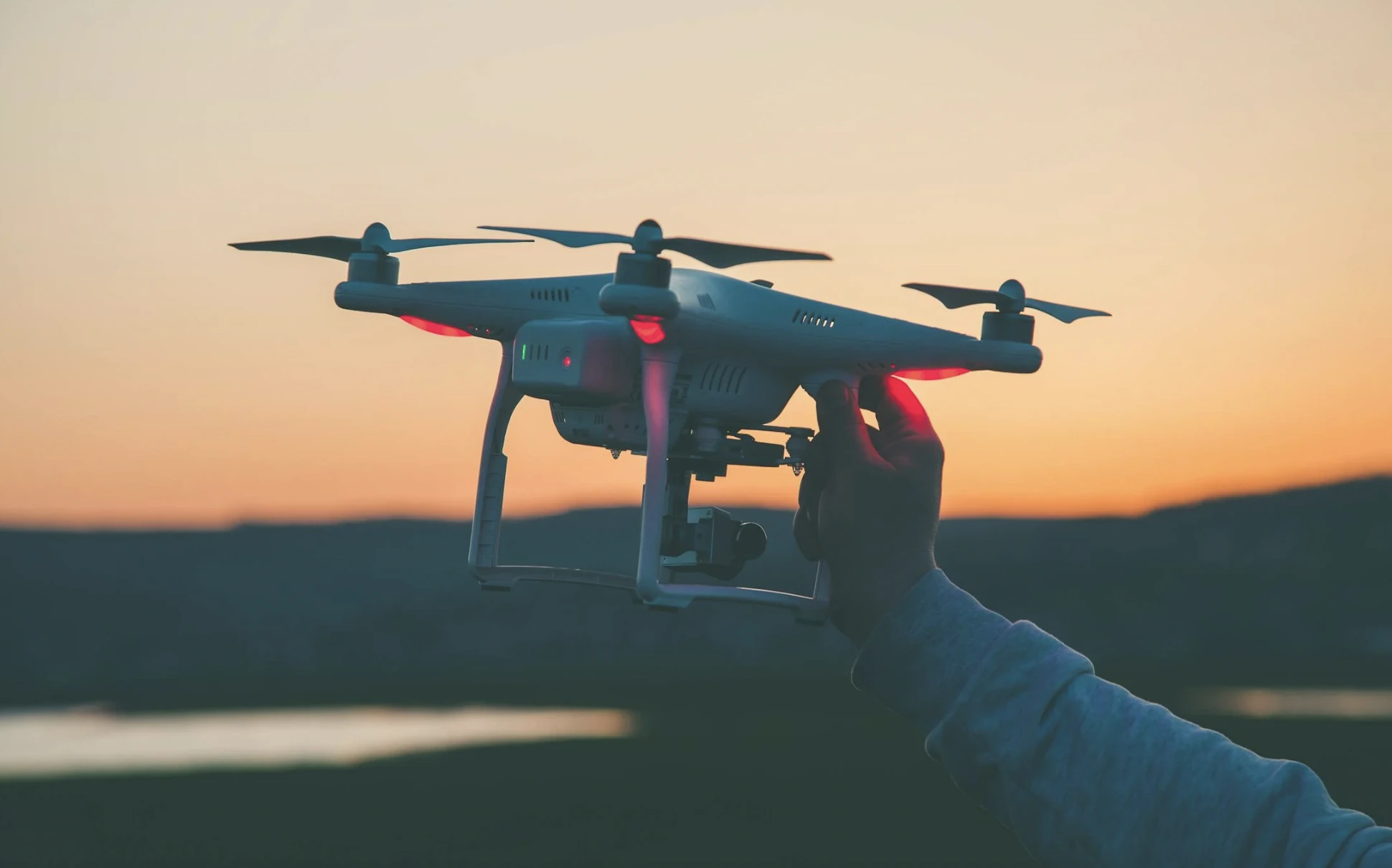
Image by Peter Fazekas, from Pixels
DJI Sues Pentagon Over Claims Of Chinese Military Ties
- Written by Kiara Fabbri Former Tech News Writer
- Fact-Checked by Justyn Newman Former Lead Cybersecurity Editor
In a Rush? Here are the Quick Facts!
- DJI is suing the U.S. Defense Department to remove its “Chinese Military Company” label.
- DJI claims no ties to the Chinese military and only sells consumer/commercial drones.
- The lawsuit alleges DJI has lost contracts and been stigmatized as a security threat.
DJI, the world’s largest drone company, is suing the U.S. Department of Defense to remove its name from a list of “Chinese Military Companies.” The lawsuit , filed on Friday, claims that the designation is unfair, as DJI maintains it has no ties to the Chinese military and solely produces consumer and commercial drones.
DJI argues that the Department of Defense’s decision has caused significant damage to its business. The company states it has lost contracts, been labeled a national security threat, and been barred from working with various U.S. government agencies.
The lawsuit also highlights that several international customers have canceled contracts with DJI and are unwilling to enter into new agreements.
DJI, represented by the U.S. law firm Paul Weiss, claims that the Pentagon has refused to provide any justification for the designation or meet with company representatives, as noted by Politico .
The lawsuit follows the Pentagon’s 2022 decision to add DJI to the list of “Military Companies Operating in the United States,” as reported by Politico.
This move came after the Department of Defense declared DJI’s products a potential national security threat in 2021, which led to a ban on the use of DJI drones by U.S. government agencies, added Politico.
The Defense Department maintains this list as part of the National Defense Authorization Act, a legislative effort aimed at countering Beijing’s attempts to acquire advanced technologies through companies that appear to be civilian entities, noted Bloomberg .
The act requires the Defense Department to identify companies operating in the U.S. that are connected, directly or indirectly, to the Chinese military, said Bloomberg.
DJI was first added to this list in 2022 and remains on it as of the most recent update in January 2024. U.S. companies are prohibited from conducting business with Chinese firms on this list, noted Bloomberg.
U.S. lawmakers have raised concerns over the security risks associated with DJI drones, including potential data transmission and surveillance vulnerabilities, a charge DJI has denied, as noted by Reuters .
The Pentagon has yet to respond to the lawsuit, Politico reported.
The case underscores ongoing tensions as both nations navigate the intersection of trade and security.
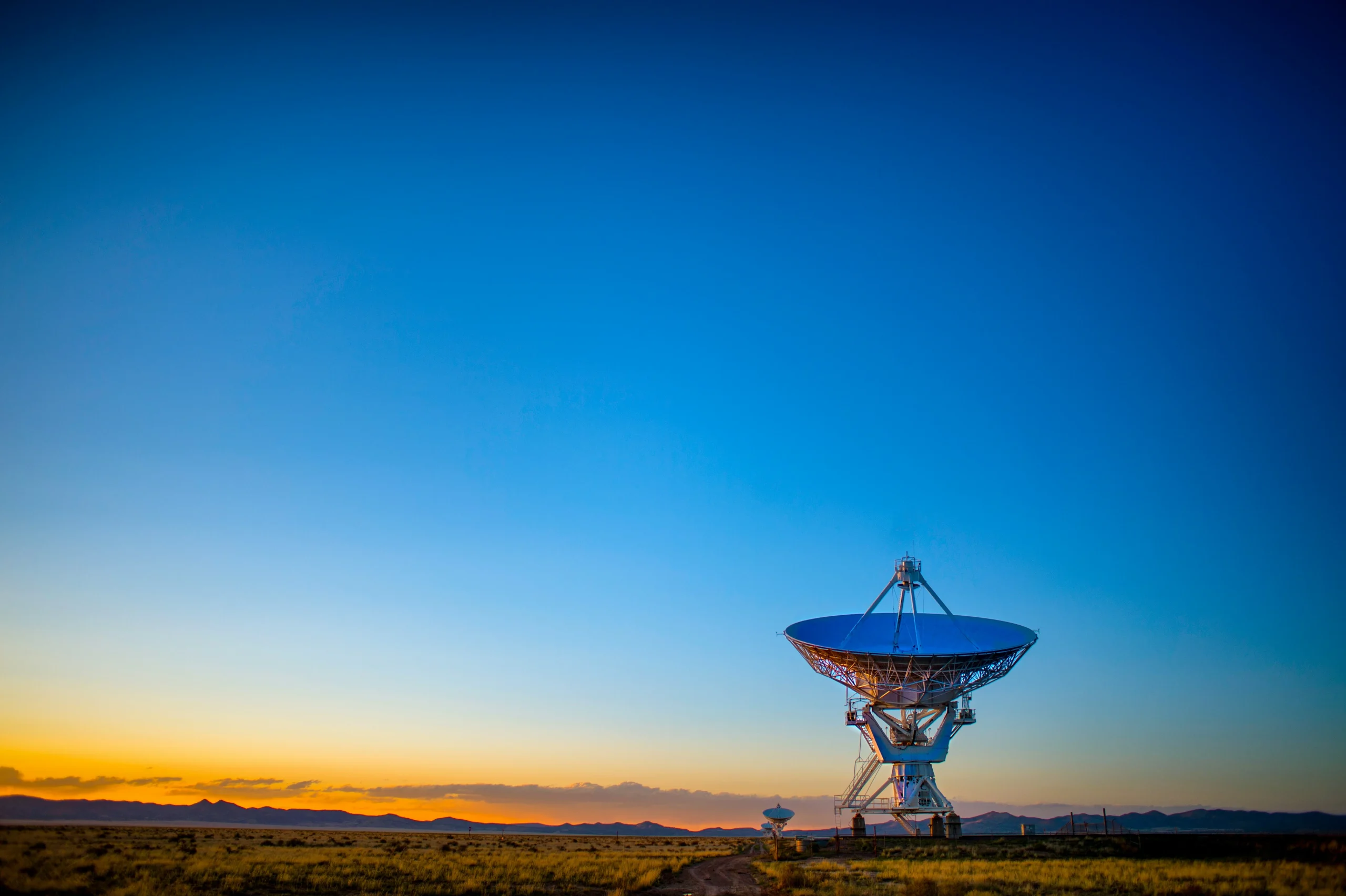
Photo by Donald Giannatti on Unsplash
European Space Agency Chief Urges Europe to Raise Its Ambitions
- Written by Andrea Miliani Former Tech News Expert
- Fact-Checked by Justyn Newman Former Lead Cybersecurity Editor
In a Rush? Here are the Quick Facts!
- ESA’s chief Josef Aschbache said Europe “needs to raise its ambition” to keep up in the space industry
- European aerospace group Airbus recently laid off 2,500 workers
- Aschbache shared concerns about lagging behind powerful global competitors
Josef Aschbacher, Director General of the European Space Agency (ESA), said Europe needs to work harder to compete against global space organizations to succeed in the space race.
According to Reuters , large European satellite makers are building alliances to keep up with new technologies and developments to compete against Elon Musk’s Starlink. However, Aschbacher hasn’t disclosed information about these possible strategic relations but shared concerns about Europe not being able to keep up in the industry.
“Europe needs to accelerate its activities in space, needs to raise its profile, needs to raise its ambition, otherwise we will risk falling behind,” Aschbacher said during an interview with the news agency in Milan at the global space meeting this week.
Aschbacher believes in the current talent and resources but worries about the future. “I know that we have the capacity and excellence of the European industry. What I’m more worried about is … how and what does Europe need to succeed on the global stage?” said the intergovernmental organization’s director.
“Being successful means using taxpayers’ money in the best possible way to create a maximum impact for our industry for European needs, and obviously also to put them in good conditions for the global competitive base, ” added Aschbacher.
Just a few days ago, the European aerospace group Airbus announced the layoff of 2,500 jobs from its Defence and Space division due to losses in the satellite business.
ESA faces strong competition from international organizations and companies like Starlink and SpaceX—which recently launched its fifth starship rocket and made history by catching a heavy booster back in the launch tower for the first time.
More private companies are building and developing space technologies. Robinhood’s cofounder recently launched a space-based solar power startup called Aetherflux .
