
DALL-E Generated Images Can Now Be Edited With ChatGPT
- Written by Deep Shikha Content Writer
- Fact-Checked by
Open AI upgraded DALL-E on April 4 with 2 major features. First, images created by DALL-E can be edited directly in ChatGPT. This new image editing feature works on the web, iOS, and Android devices. Second, ChatGPT will now suggest style ideas for DALL-E images right in the app.
DALL-E is a tool from OpenAI that creates images from text. It is part of ChatGPT but only for ChatGPT Plus members. Earlier, users could only generate images based on text prompts with DALL-E. Now, OpenAI has added a feature to ChatGPT that lets users edit these images, too. This includes allowing users to add, remove, and update parts of their image within ChatGPT .
This update marks the third generation of DALL-E , which is focusing on making it more user-friendly. With DALL-E 3, users can use ChatGPT to help create image prompts easily; they can just describe what they want, and ChatGPT handles the details. This allows DALL-E users to easily adjust and improve their images directly through the ChatGPT interface.
To start with, DALL-E 3 comes with an array of style prompts designed to ignite creativity. It includes diverse styles, including woodcut, gothic, synthwave, and hand-drawn styles. These prompts serve as a creative springboard, allowing users to explore a wide range of artistic directions.
OpenAI didn’t fail to acknowledge that it’s vital to distinguish AI-generated images from those created by humans. Thus, it has been focusing on building trust in AI-made images. DALL-E 3 now marks images with visible watermarks and information to show they’re AI-generated. There’s still a need to ensure that these marks aren’t easily removed, which is a big but significant challenge to solve.
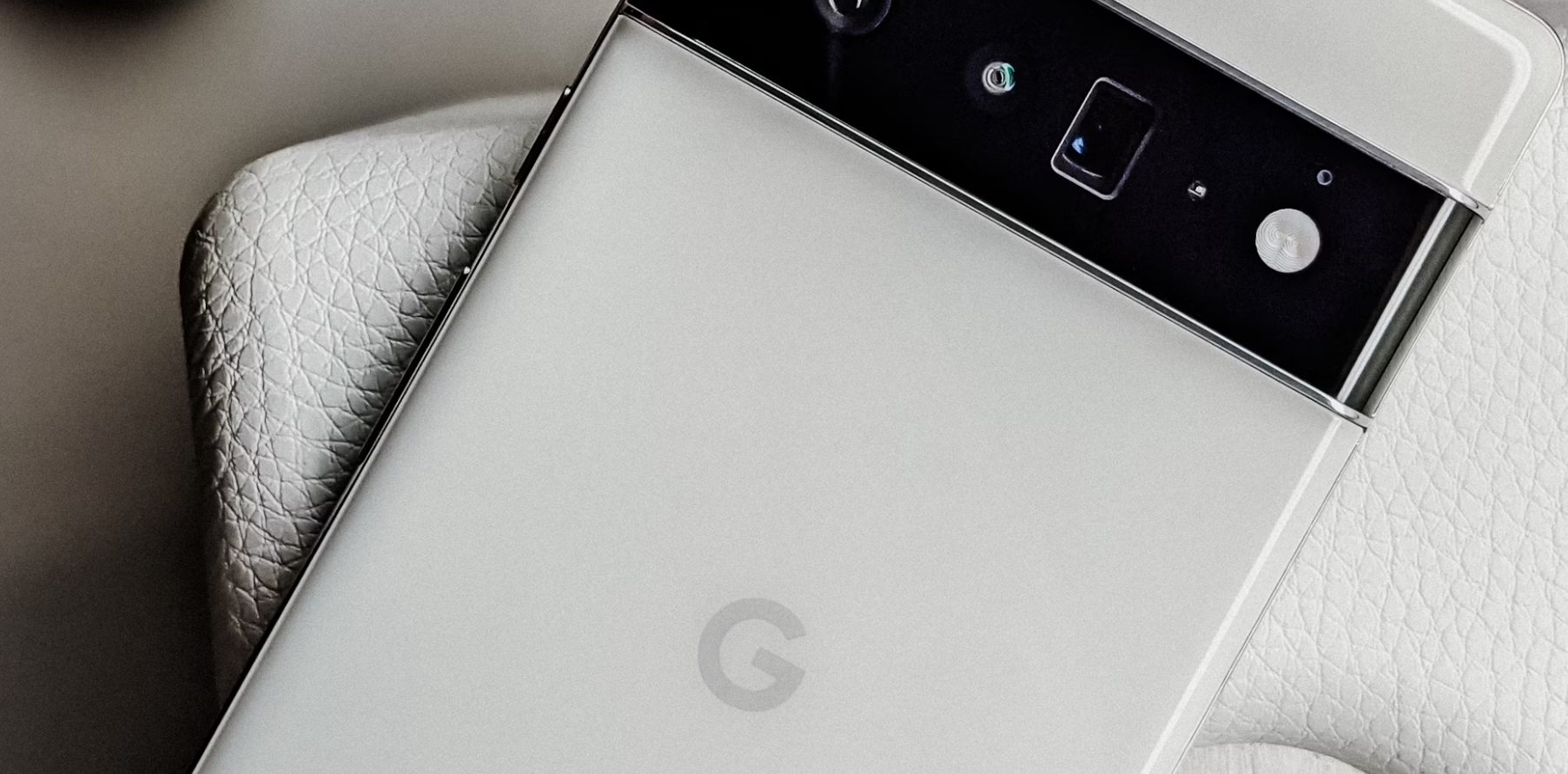
Google’s Find My Device Network Launching in a Few Days
- Written by Shipra Sanganeria Cybersecurity & Tech Writer
- Fact-Checked by Justyn Newman Former Lead Cybersecurity Editor
The launch of Google’s much anticipated Find My Device network appears to be just around the corner. Announced at Google’s annual developer conference, I/O, in 2023, the feature is believed to be available from today, according to an email discovered by 9to5Google .
The official email of April 4 notified a few users about the impending launch of the feature in the following 3 days. Explaining the functionality of the service, Google said that users will be notified once the feature is enabled and until then, users can opt out of the network through Find My Device on the web.
The tracking, which is akin to the technology used by Apple and Tile, will allow users to locate devices, even if they’re offline. Utilizing millions of Android devices’ data will help users locate not only missing phones but also accessories.
Users “can also find any compatible Fast Pair accessories when they’re disconnected from your device. This includes compatible earbuds and headphones, and trackers that you can attach to your wallet, keys, or bike,” the email cited by 9to5Google reports.
A trial version of the feature “Find your offline devices” was available in the latest Google Play Services beta settings for some users. It takes users to another page with options to locate devices using one of three settings. The options include “without network”, “with the network in high-traffic areas”, or “with the network all of the time”. Users can also choose to turn off the feature entirely.
Although announced in 2023 , the launch was delayed as Google and Apple worked together to ensure proper security measures were in place against unwanted tracking of Android devices using iOS. iOS 17.5 (already in beta testing) includes the security features Google wanted to see, so although there’s no official launch date yet, all arrows point to the Find My Device network being available very soon.
